/main.jpg)
Pricing
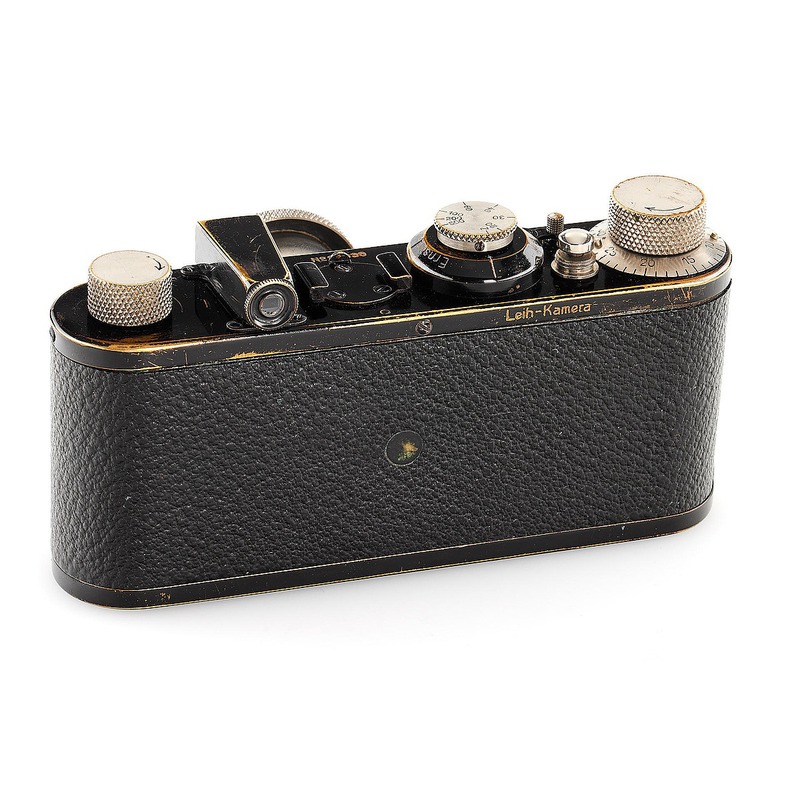
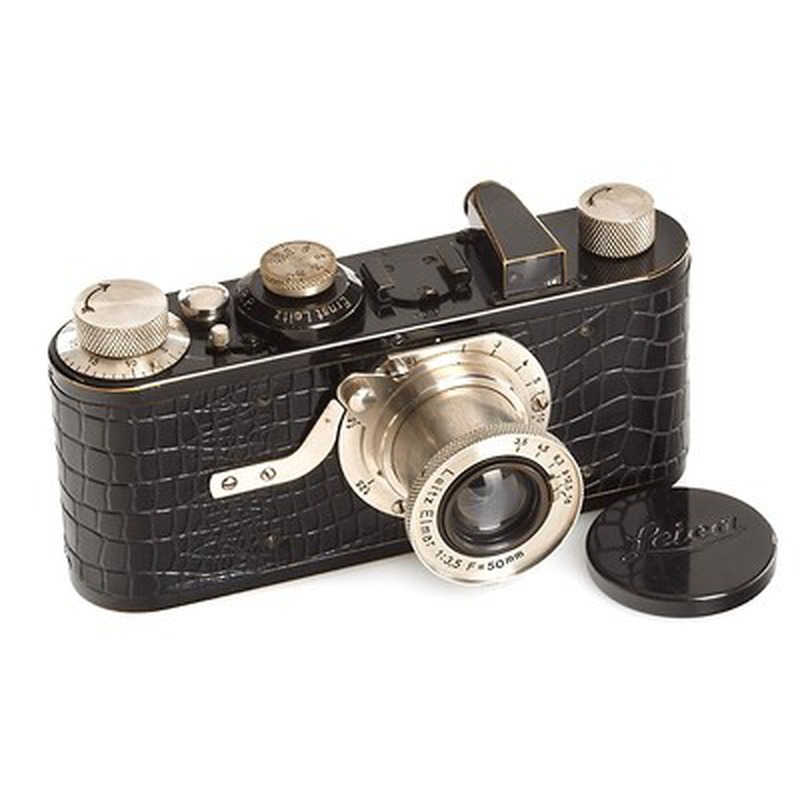
Leica I Mod B Rädchen-Compur (DIAL SET)
Leica · Germany · 1926–1929 (3 years) · 135 film
The Leica I Mod B Rädchen-Compur (DIAL SET) represents a crucial, transitional model in Leica's early evolution, marking the refinement of their groundbreaking 35mm camera design following the original 1925 Leica I (Model A). Produced from 1926 to 1929, this iteration introduced significant improvements, most notably the replacement of the simpler focal plane shutter with the highly reliable Rädchen-Compur (wheel) central shutter. This Compur shutter, featuring a prominent dial for setting speeds (Dial Set) and a flash synchronization socket, offered superior exposure control, reliability, and quieter operation compared to the focal plane shutter, making the camera more practical for serious photographers and paving the way for the enduring Compur shutter association with Leica. It maintained the core Leica principles: a compact, durable body with precise tolerances, coupled with the superb Leica Elmar 50mm f/3.5 lens mounted on a helical focusing mount. This model solidified Leica's position as the leader in the emerging small-format photography market, influencing countless future designs and establishing the 135 film cartridge as the standard for professional and enthusiast photography.
While sharing the fundamental design language of the original Leica I, the Mod B Rädchen-Compur refined the concept significantly. The dial-set Compur shutter provided precise speeds typically ranging from 1 second to 1/500th, plus 'T' time, offering a level of control previously difficult to achieve in compact cameras. This refinement, combined with the inherent advantages of a central shutter (flash sync, vibration reduction), enhanced the camera's versatility and image quality. It was a workhorse tool for pioneering photojournalists and documentarians like Alfred Eisenstaedt and others who embraced the mobility and unobtrusiveness of the 35mm format, capturing decisive moments that larger, slower cameras could not. Its production period bridged the gap between the experimental Model A and the more sophisticated Leica II (introduced in 1932), cementing Leica's reputation for engineering excellence and establishing the template for the modern 35mm rangefinder camera.
Specifications
| Film Format | 135 |
/main.jpg)
/main.jpg)
_Feathered_Arrows/main.jpg)
_close_focus/main.jpg)
 Enjoy this museum? Support on Ko-fi