_Feathered_Arrows/main.jpg)
Pricing
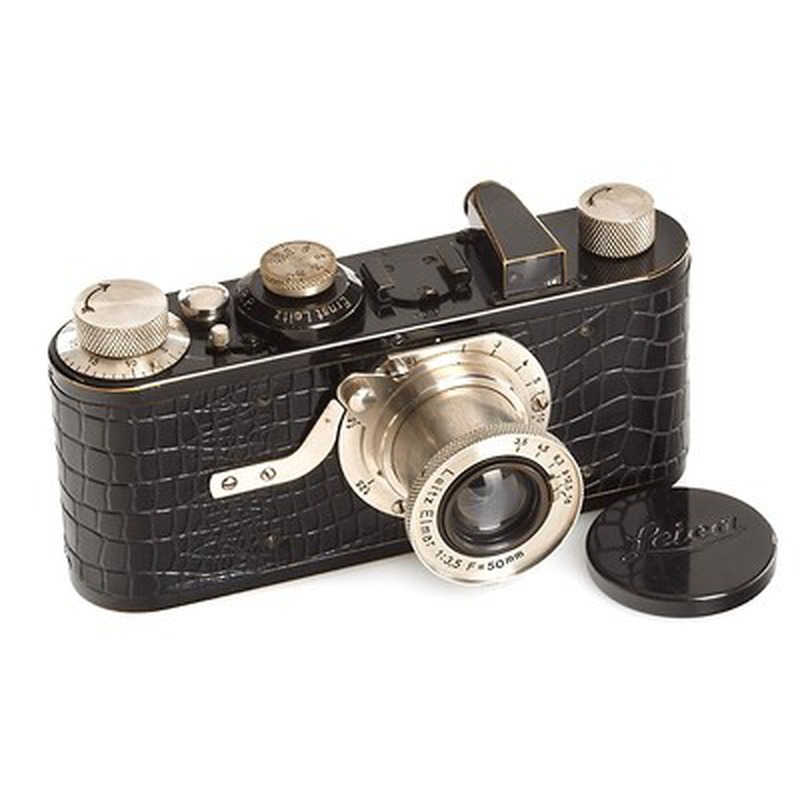
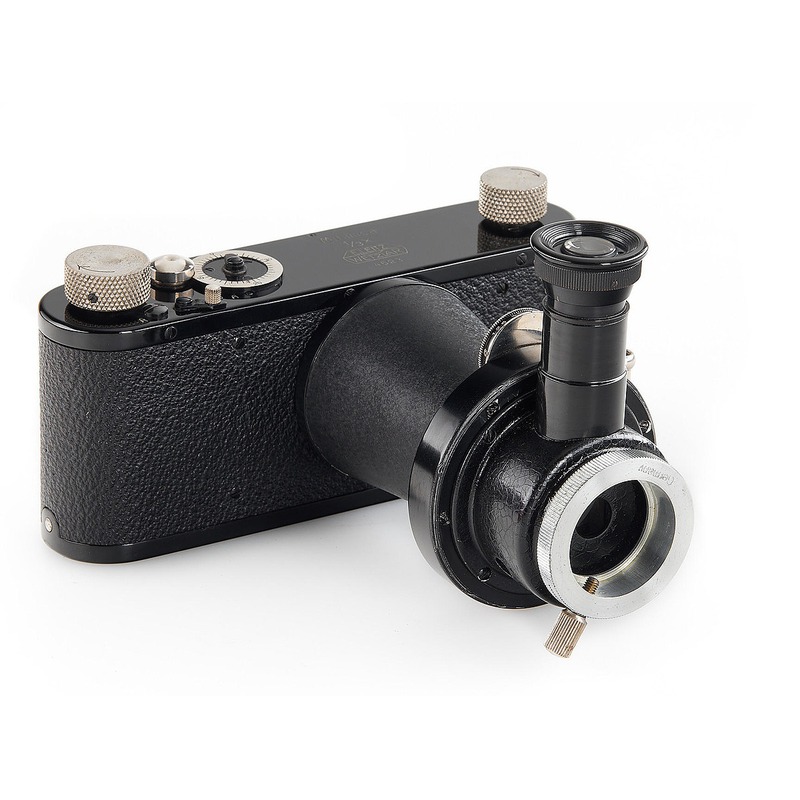
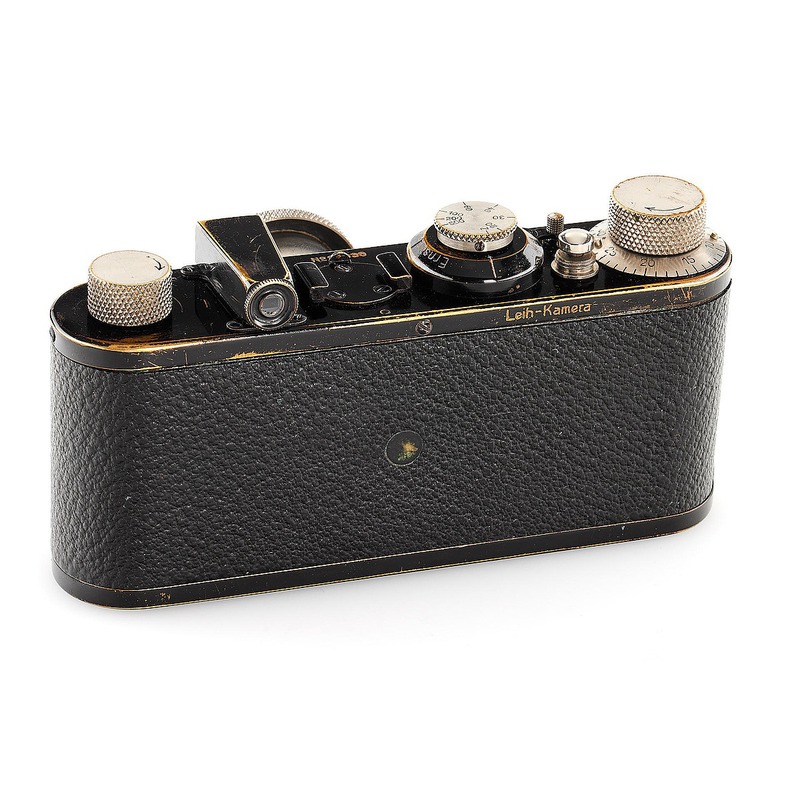
Leica I Mod A (4-digits Number) Feathered Arrows
Leica · Germany · 1927 · 135 film
The Leica I Mod A (4-digits Number) Feathered Arrows, introduced in 1927, stands as a cornerstone of photographic history, marking a pivotal moment when 35mm film transitioned from amateur cine use to serious still photography. Building directly upon the revolutionary Leica I of 1925 (the Ur-Leica), the Mod A refined the concept into a more robust and commercially viable system camera. It established the foundational design principles for the entire Leica rangefinder line: a compact body machined from high-quality materials, utilizing a focal plane shutter with speeds up to 1/500th second, and incorporating a coupled rangefinder for critical focusing accuracy – features that were simultaneously innovative for the era and set the standard for 35mm photography. The "Feathered Arrows" designation, likely referring to the distinctive arrowhead shape of its film transport and exposure counter levers, became a recognizable symbol of the Leica brand's early identity.
This model significantly accelerated the adoption of the small-format camera among serious photographers, enabling unprecedented mobility and discretion compared to bulky plate or sheet film cameras. Its design allowed photographers like André Kertész, Florence Henri, and the later Henri Cartier-Bresson (who began his career using similar Leicas) to capture fleeting moments with spontaneity and intimacy, fundamentally shaping the documentary and candid photographic styles of the 20th century. The Mod A's success proved the viability and artistic potential of the 35mm format, paving the way for decades of Leica innovation and cementing the brand's reputation for precision engineering. Its introduction marked the formal beginning of the 35mm era for still photography, influencing camera design globally.
Specifications
| Film Format | 135 |
/main.jpg)
/main.jpg)
/main.jpg)
 Enjoy this museum? Support on Ko-fi