/main.jpg)
Pricing
Goerz Westentaschen Tenax (Vest Pocket Camera)
Goerz · Germany · 1912 · 135 film
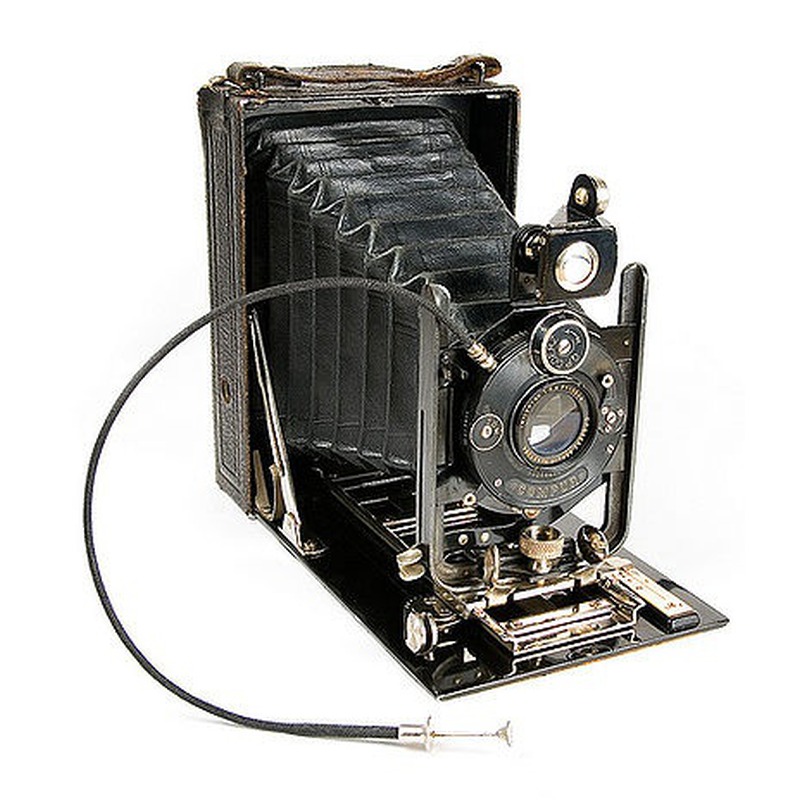
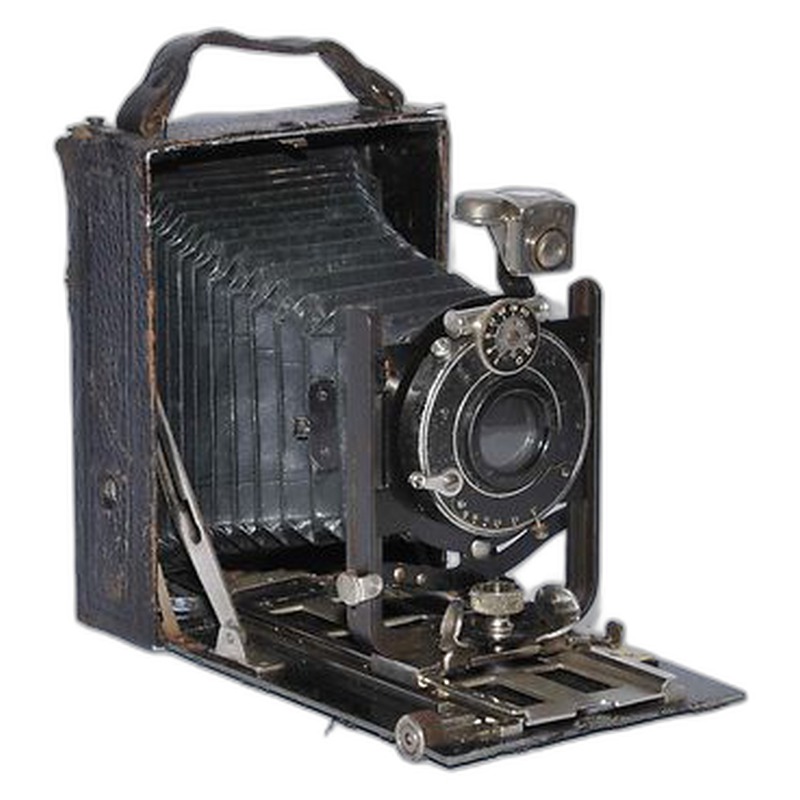
Introduced in 1912, the Westentaschen Tenax by Goerz stands as a landmark camera, representing one of the earliest practical and popular examples of a 35mm still camera. Pre-dating the iconic Leica I by over a decade, its name, "Westentaschen" meaning "vest pocket," underscores its defining innovation: compact portability. Designed to utilize readily available 35mm perforated cine film (loaded into special cassettes or spools), it dramatically reduced the bulk and weight associated with contemporary plate and roll-film cameras, making serious photography accessible on the go. Its folding metal body, typically finished in black enamel with nickel trim, provided robust protection while collapsing to a remarkably small size for its era. This design breakthrough directly addressed the growing demand for unobtrusive photographic equipment, paving the way for the miniature camera revolution that would dominate the 20th century. While the Tenax lacked the rangefinder and coupled shutter speed control of later cameras like the Leica, its simple yet effective focal-plane shutter and reliable leaf shutter versions offered versatile exposure control for the enthusiast. Its significance lies in being a commercially successful pioneer, demonstrating the viability and appeal of miniature photography to a wider audience and directly influencing the development path towards the Leica and subsequent 35mm systems. (Note: The listed "Format: 135" is historically inaccurate; 135 film was introduced in 1934. The Tenax used 35mm movie film cassettes/spools.)
Specifications
| Film Format | 135 |


/main.jpg)
 Enjoy this museum? Support on Ko-fi