Pricing
Goerz Panorama
Goerz · Germany · 1910–1911 (1 years) · 135 film
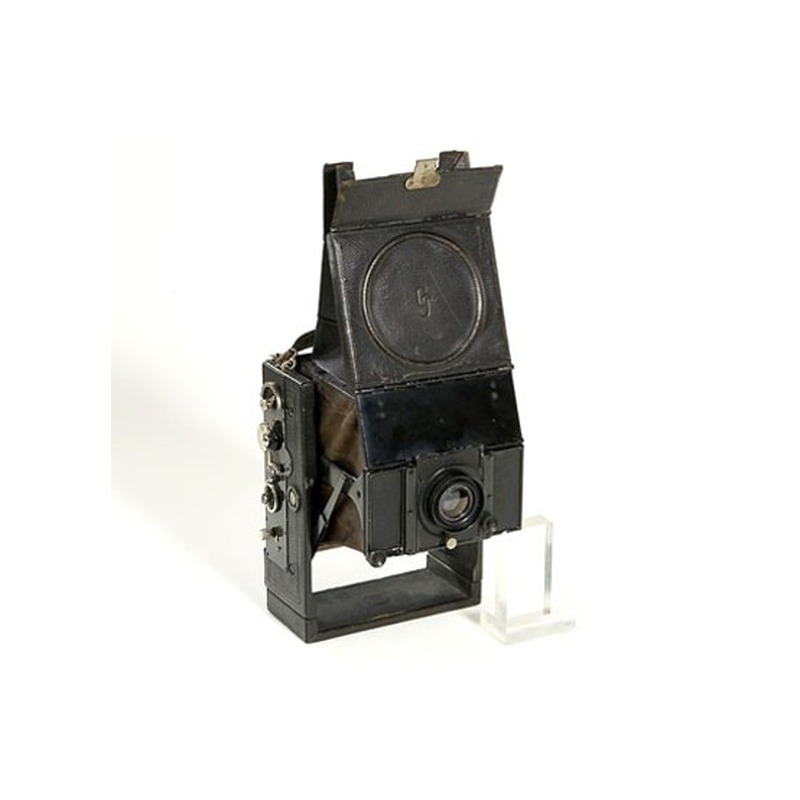
Produced by the renowned German optical firm Goerz between 1910 and 1911, the Panorama camera represents an early and significant attempt at utilizing 135 format film (later standardized as 35mm) for photography. While predating the groundbreaking Leica I by over a decade, it positioned Goerz at the forefront of experimental miniature camera development. Characterized by its compact design relative to contemporaneous plate and roll-film cameras, it utilized Goerz's expertise in high-quality optics, likely featuring lenses such as the Dagor or similar lenses known for their sharpness. The camera body was presumably constructed from metal, typical of the era, offering robustness despite its smaller size. Aimed at photographers seeking portability without sacrificing image quality, the Panorama filled a niche for advanced amateurs and professionals needing a more discreet camera option. Its production window was notably short, making it a rare find today.
Although its name might suggest panoramic capabilities, this likely referred to the camera's wide format negatives on 135 film, not a true panoramic system. The Panorama's historical importance lies in its role as one of the very first commercially available cameras to embrace the 135 film format, demonstrating the viability and potential of smaller, higher-quality image planes that would revolutionize photography decades later. While its mechanisms were likely more complex and less refined than the later Leica's, it stands as a testament to Goerz's innovation and the broader experimentation driving towards the miniature camera boom.
Specifications
| Film Format | 135 |

/main.jpg)
_(4x6.5)/main.jpg)
 Enjoy this museum? Support on Ko-fi