Pricing
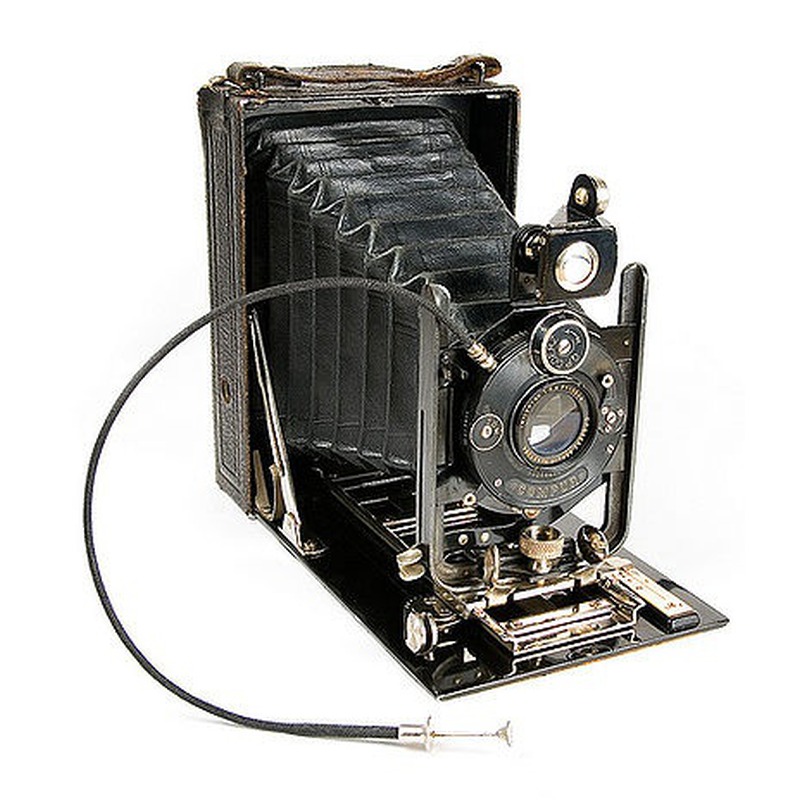
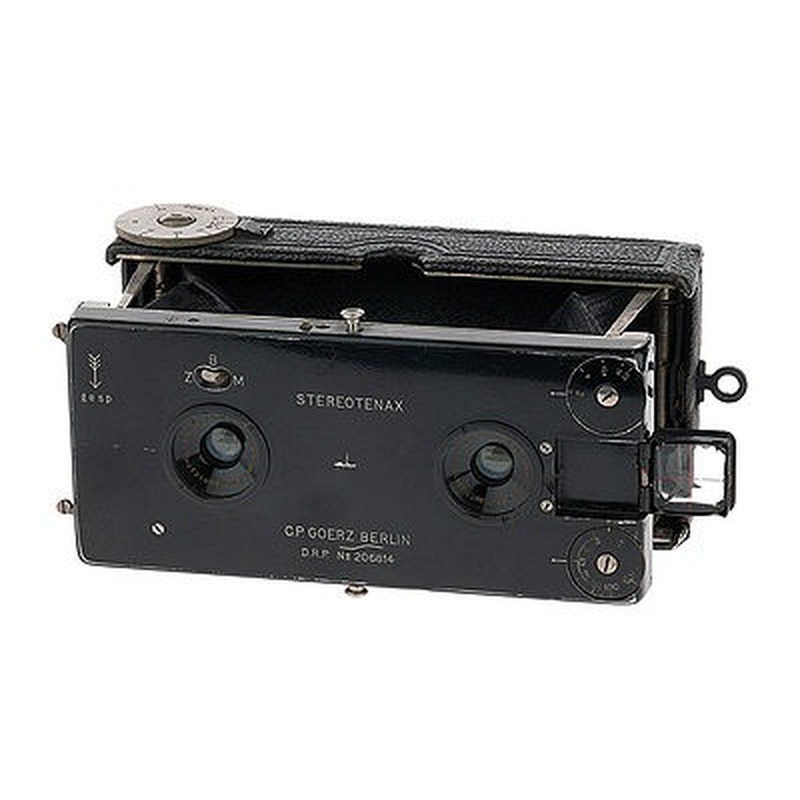
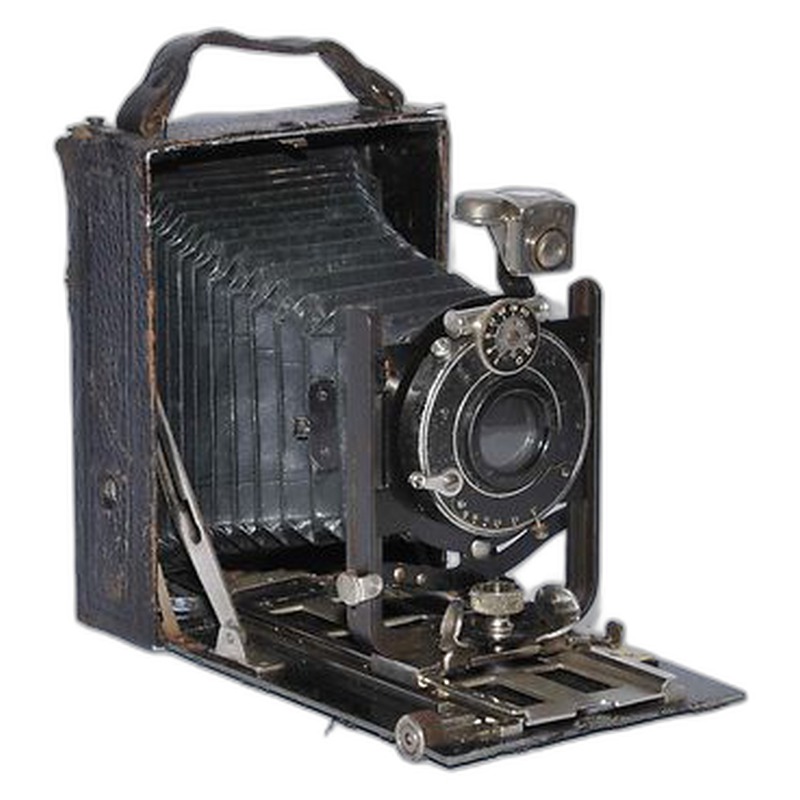
Goerz Taro Tenax
Goerz · Germany · 1912–1926 (14 years) · 135 film
The Taro Tenax is an early 35mm camera manufactured by the German optical firm Goerz between 1912 and 1926. Representing a significant phase in the development of the 35mm format, it shared the era's transition from larger plate and roll-film cameras towards more compact, handheld devices utilizing motion picture film stock. Goerz, known for high-quality lenses and cameras like the Ansky and Anneau series, applied its optical expertise to this smaller format. The Taro Tenax likely featured a coupled rangefinder and leaf shutter, typical of contemporary designs, and used the now-standard 135 cassette format for 24x36mm exposures. Its production period coincided with the rise of Leica prototypes and Ur-Leica, placing the Taro Tenax as one of the commercially available 35mm cameras pioneering the shift towards miniature photography for professionals and serious amateurs before the Leica I's 1925 debut solidified the market.
While predating the iconic Leica I by a decade, the Taro Tenax lacks specific documented innovations or widespread fame compared to landmark models. Its primary historical context lies as a practical embodiment of early 35mm camera development by an established optics manufacturer. Its significance stems from its contribution to the practical adoption of the 135 format during a formative period, bridging the gap between larger formats and the eventual mini-camera revolution. Without detailed records of unique features or notable users, it stands as a representative, though not revolutionary, artifact of the early 35mm landscape produced by a reputable company.
Specifications
| Film Format | 135 |
/main.jpg)


/main.jpg)
 Enjoy this museum? Support on Ko-fi