Pricing
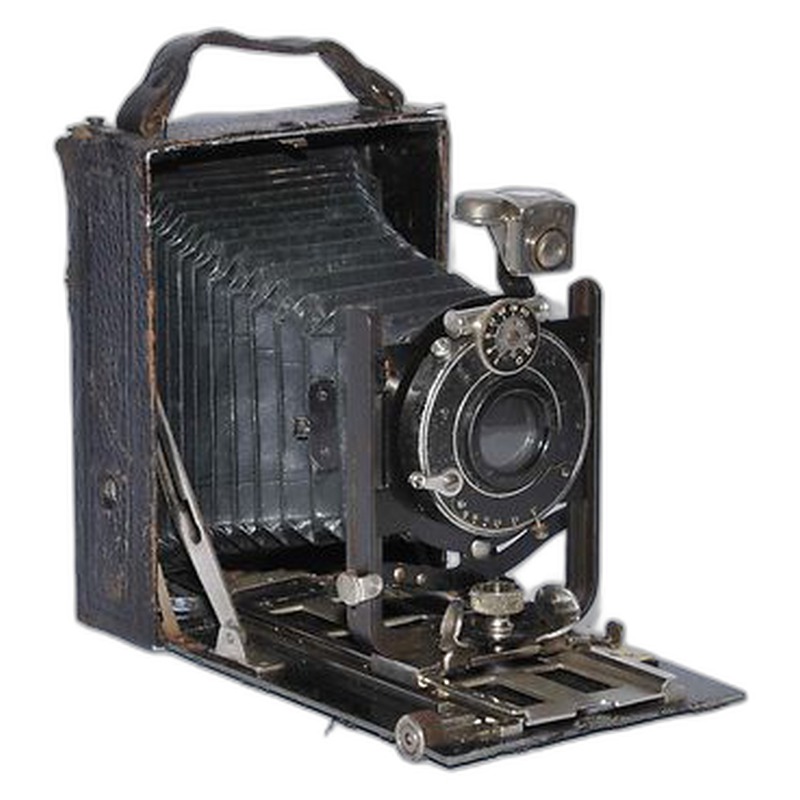
Goerz Taro Tenax II
Goerz · Germany · 1912–1926 (14 years) · 135 film
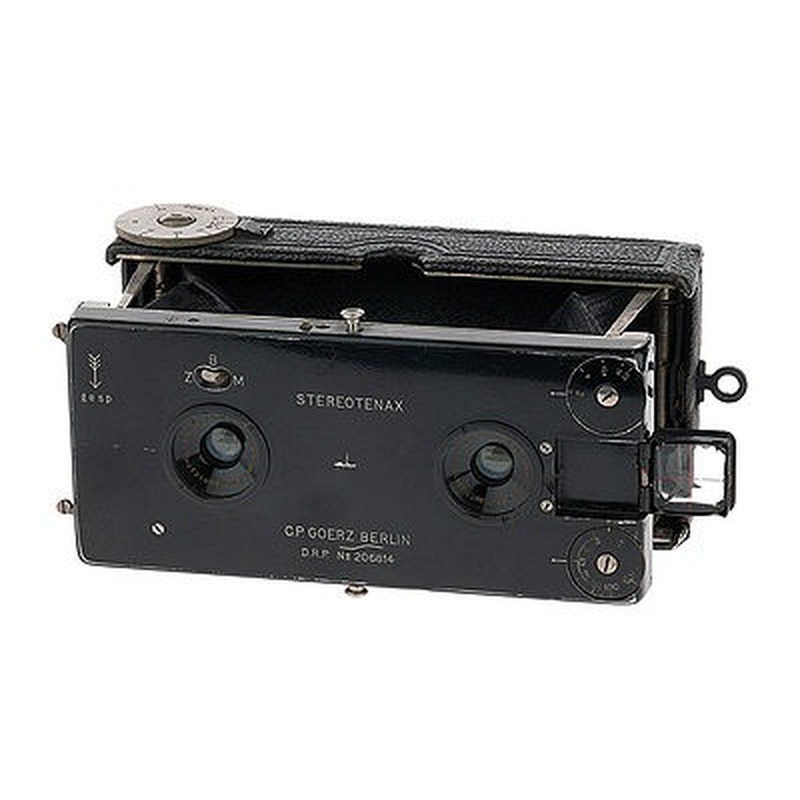
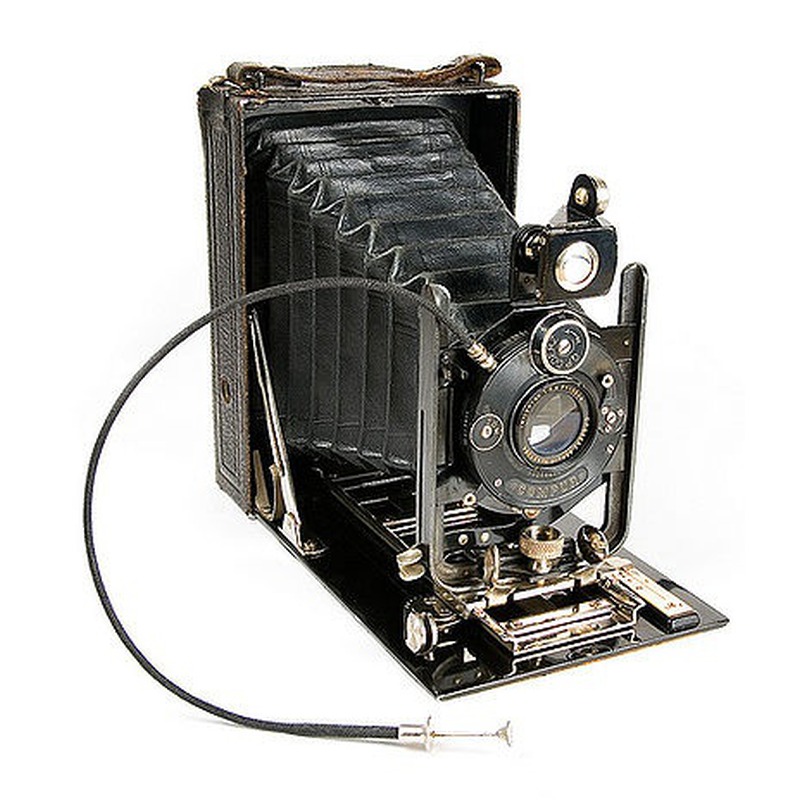
The Taro Tenax II, produced by the esteemed German optical firm Goerz between 1912 and 1926, stands as an early milestone in 35mm photography, predating the Leica I by over a decade. It belongs to Goerz's Tenax series, which began in 1909 as one of the first practical attempts to harness 35mm film for handheld photography. The Tenax II refined this concept with a compact metal "cigar box" body and a unique double-spool film transport system, enabling 24 exposures per roll—a significant innovation for portable cameras of its era. Equipped with high-quality Goerz Anastigmat lenses and a leaf shutter, it was designed for precision and durability, catering to professional and enthusiast photographers seeking a lightweight alternative to larger plate or roll-film cameras. Despite its technical merits, the Tenax II remained a niche product, overshadowed by the Leica's 1925 debut, which ultimately standardized 35mm photography.
Unlike the Leica, the Tenax II did not achieve widespread adoption or influence broader photographic practices, partly due to its complex loading mechanism and high price point. Goerz ceased camera production in 1926 as the market shifted toward more standardized formats, leaving the Tenax II as a transitional curiosity. It remains historically notable as proof that 35mm photography was viable before Leica's dominance, but its impact was limited to its immediate circle of users and the engineering communities of its time.
Specifications
| Film Format | 135 |
/main.jpg)

/main.jpg)
 Enjoy this museum? Support on Ko-fi