/main.jpg)
Pricing
Ernemann HEAG I (late)
Ernemann · Germany · 1909–1926 (17 years) · 135 film
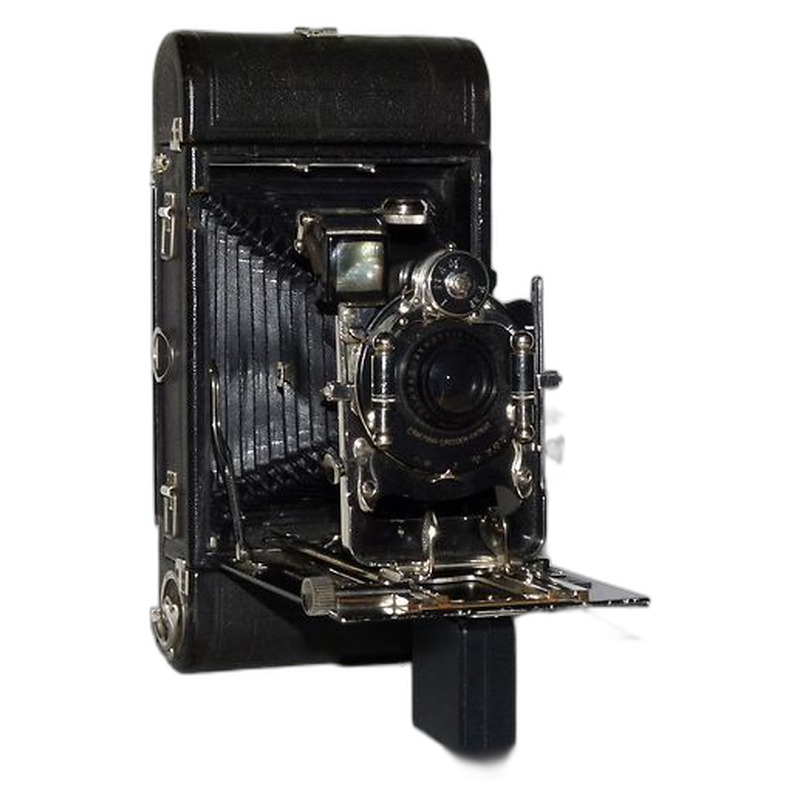
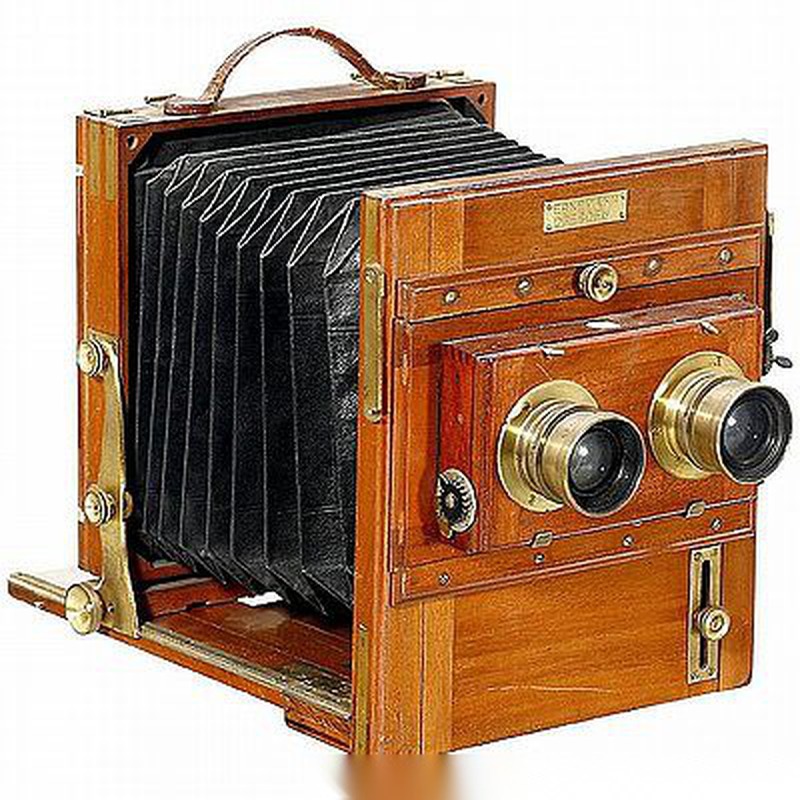
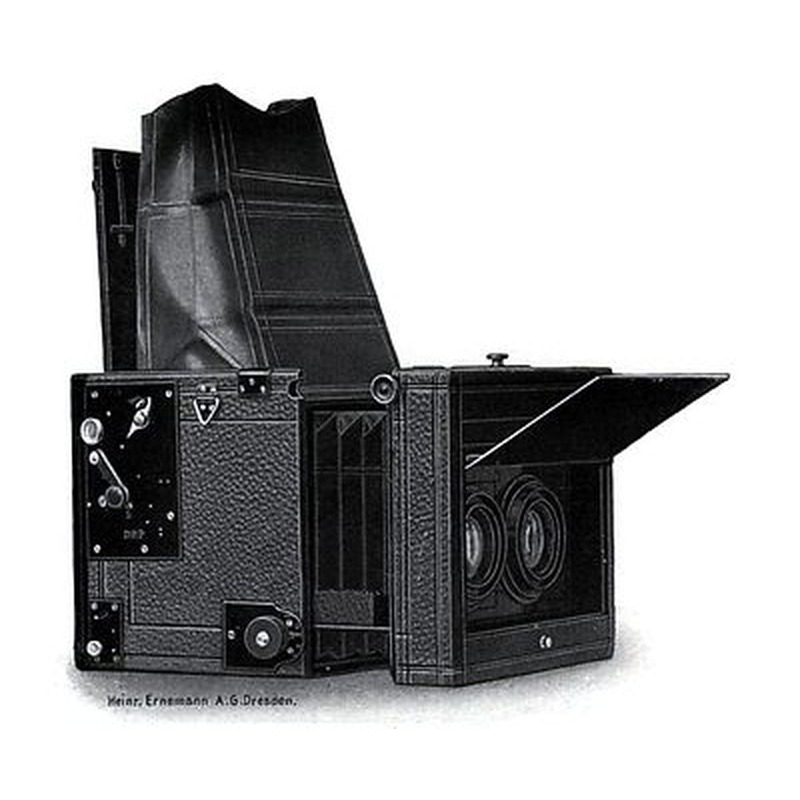
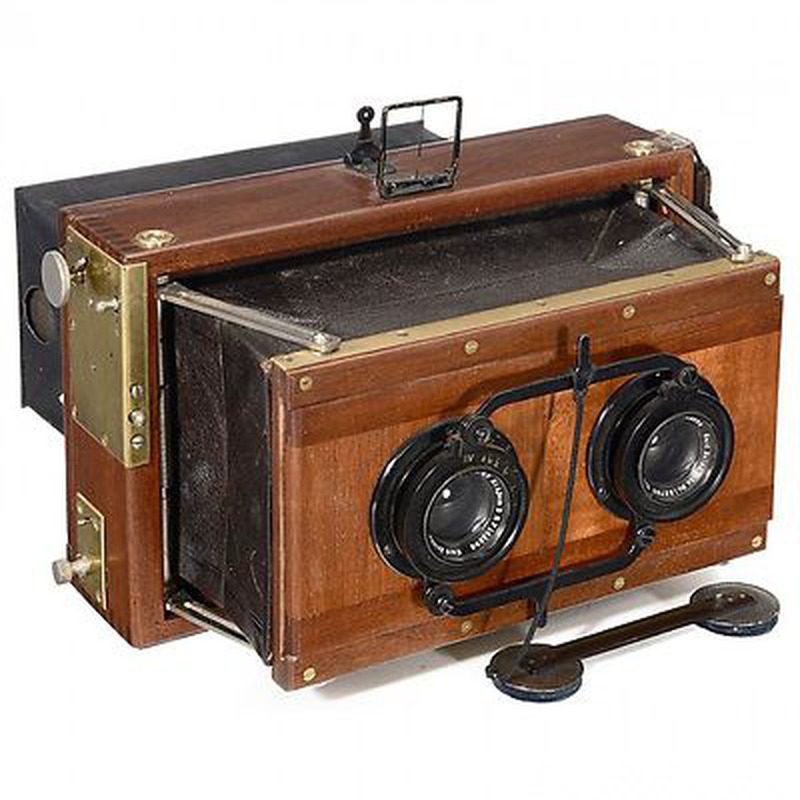
The HEAG I (late) represents Ernemann's continued commitment to the emerging 35mm format during the early 20th century, representing a utilitarian and long-serving model within their product line. Produced from 1909 through 1926, this camera underscores a period where 35mm film was still finding its footing beyond specialized cine uses. Designed as a relatively simple and robust amateur camera, the HEAG I (late) likely featured a straightforward folding body design, perhaps utilizing bellows, with a fixed or simple variable focus lens and a basic shutter mechanism. Its extended production run of nearly two decades indicates a reliable design that met the needs of everyday photographers seeking an affordable and portable option for snapshots, rather than pushing the boundaries of optical or mechanical innovation.
As a camera spanning nearly two decades, the HEAG I (late) serves as a representative example of early 35mm consumer technology from a significant German manufacturer. It occupies a space between pioneering experimental models and the later, more iconic rangefinder and Leica-style cameras that would define the 35mm format. While not groundbreaking in itself, its long production cycle reflects a stable design catering to a specific market segment, providing historical context for the evolution of amateur photography during a transformative period in the early 20th century. Its significance lies more in its longevity as a product than in introducing major new technologies.
Specifications
| Film Format | 135 |
/main.jpg)
/main.jpg)
 Enjoy this museum? Support on Ko-fi