Pricing
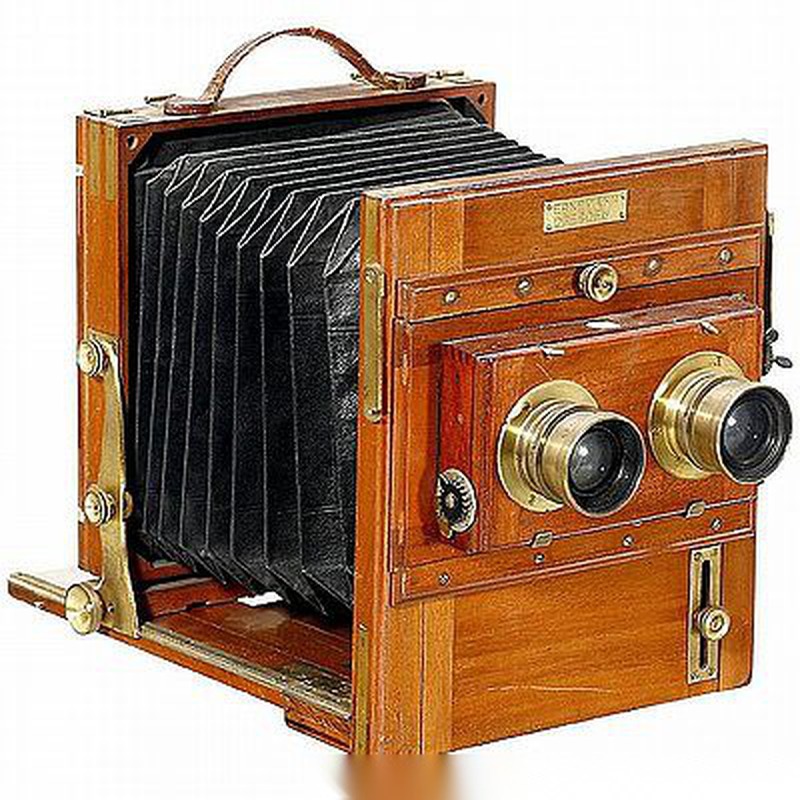
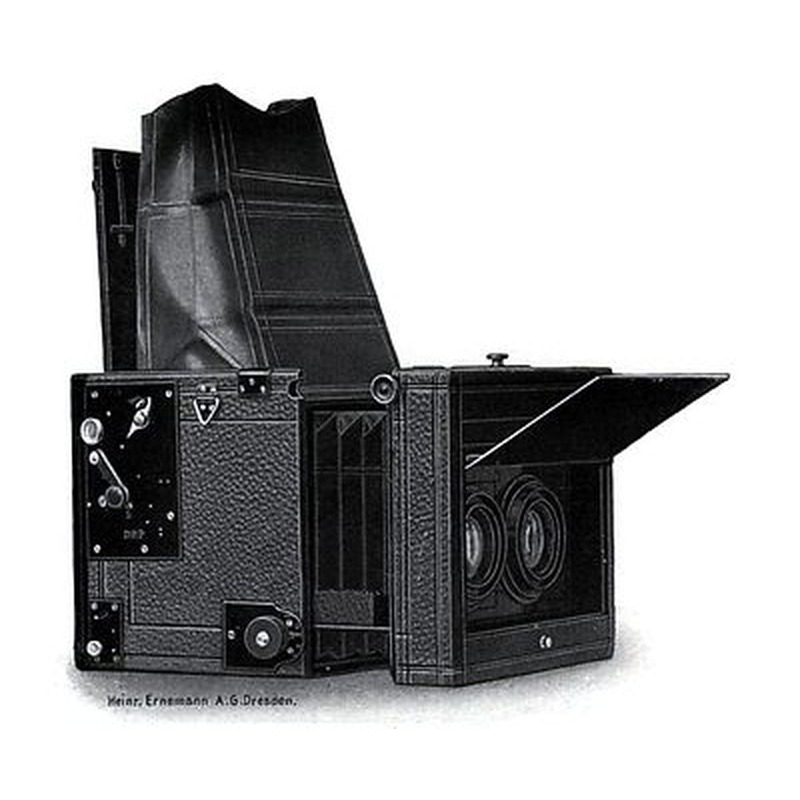
Ernemann Globus Stereo
Ernemann · Germany · 1910 · 135 film
The Globus Stereo by Ernemann, introduced in 1910, represents an early application of the 35mm format for stereoscopic photography. As one of the first cameras designed specifically to create 3D images using paired lenses, the Globus Stereo allowed photographers to capture two simultaneous exposures that, when viewed through a stereoscope, created a three-dimensional effect. This specialized application of the 35mm format predates the more widely known Leica cameras by more than a decade, positioning the Globus Stereo as an interesting if niche experiment with what would later become photography's dominant format. Ernemann, a respected German camera manufacturer, designed the Globus Stereo with precision engineering typical of their period work, though it ultimately remained a specialized tool rather than a mainstream camera.
The camera's dual-lens system was precisely calibrated to match human binocular vision, typically with about 65mm between the lenses—the approximate distance between human eyes. This spacing, combined with synchronized shutters, ensured that the resulting stereoscopic pairs provided realistic depth perception when properly viewed. While the Globus Stereo didn't revolutionize photography like later 35mm cameras, it represents an important early adoption of the format and demonstrates the technical capabilities of Ernemann during an era when photography was transitioning from glass plates to flexible film.
Specifications
| Film Format | 135 |
/main.jpg)
/main.jpg)
/main.jpg)
/main.jpg)
 Enjoy this museum? Support on Ko-fi