/main.jpg)
Pricing
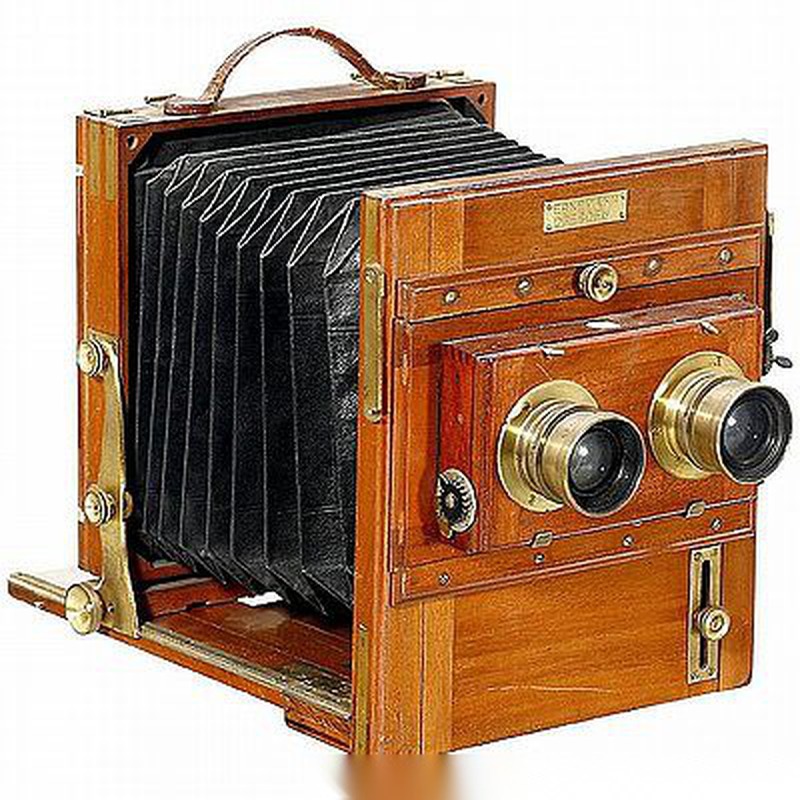
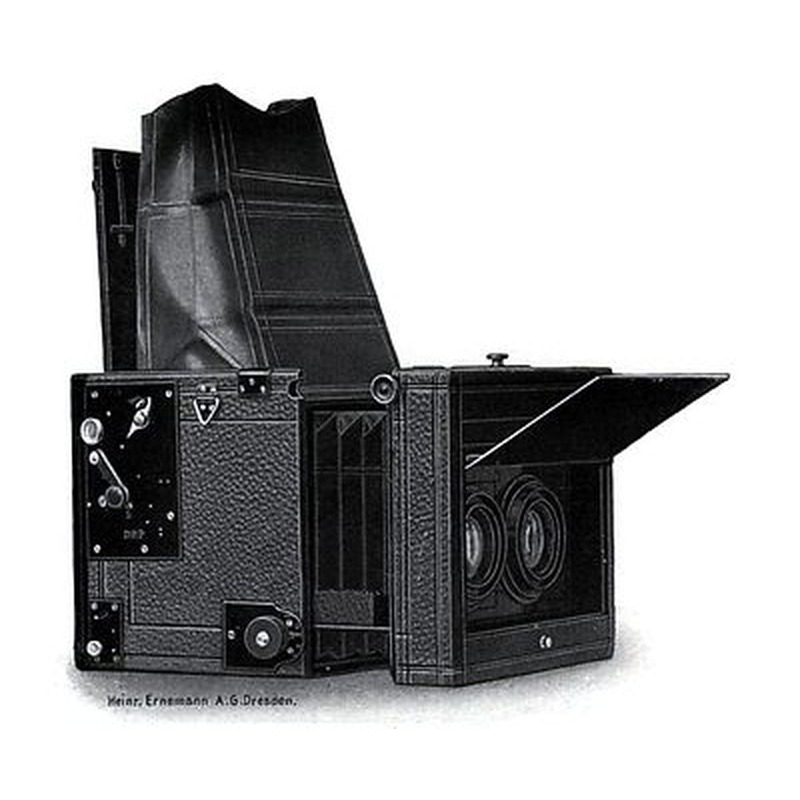
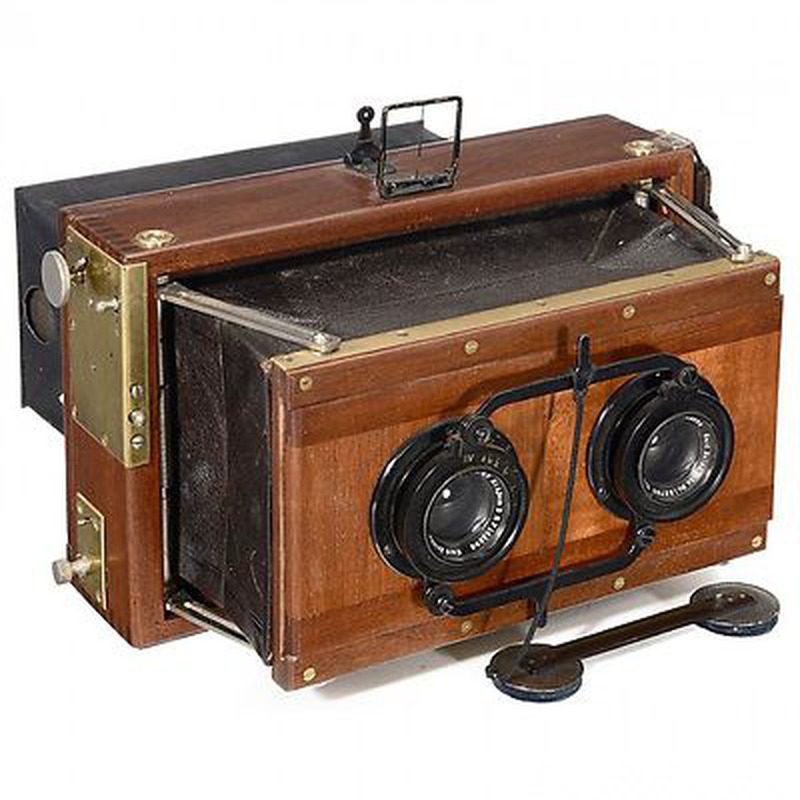
Ernemann HEAG III Stereo (two shutters)
Ernemann · Germany · 1909 · 135 film
The HEAG III Stereo represents Ernemann's early experimentation with the emerging 35mm format, specifically designed for stereoscopic photography. Produced in Germany between 1907 and 1909, this specialized camera featured two synchronized shutters positioned side-by-side to expose adjacent frames on standard 35mm film, allowing photographers to create stereoscopic pairs that could be viewed through a stereoscope to simulate binocular vision. Ernemann, known for its high-quality lenses and cameras, applied its engineering expertise to this niche application, utilizing robust brass and leather construction typical of the era. As a dedicated stereo camera rather than a general-purpose instrument, the HEAG III's dual-shutter design was a practical solution for achieving the precise image pairing required for stereo effect.
While Ernemann was a significant player in the photographic industry before merging into Zeiss-Ikon in 1926, the HEAG III Stereo does not appear to have been a mass-market model or a major technological advancement beyond existing stereo practices. Its historical importance lies primarily in its representation of the diversity of early miniature camera designs and Ernemann's innovation in the fledgling 35mm arena, predating the more famous Leica prototype by over a decade. The camera existed alongside other experimental 35mm models of the period, offering valuable insight into the technical approaches being explored during this formative stage of miniature photography.
Specifications
| Film Format | 135 |
/main.jpg)
/main.jpg)
 Enjoy this museum? Support on Ko-fi