/main.jpg)
Pricing
Ernemann Kino A (Normal-Aufnahme, demo)
Ernemann · Germany · 1908 · 135 film
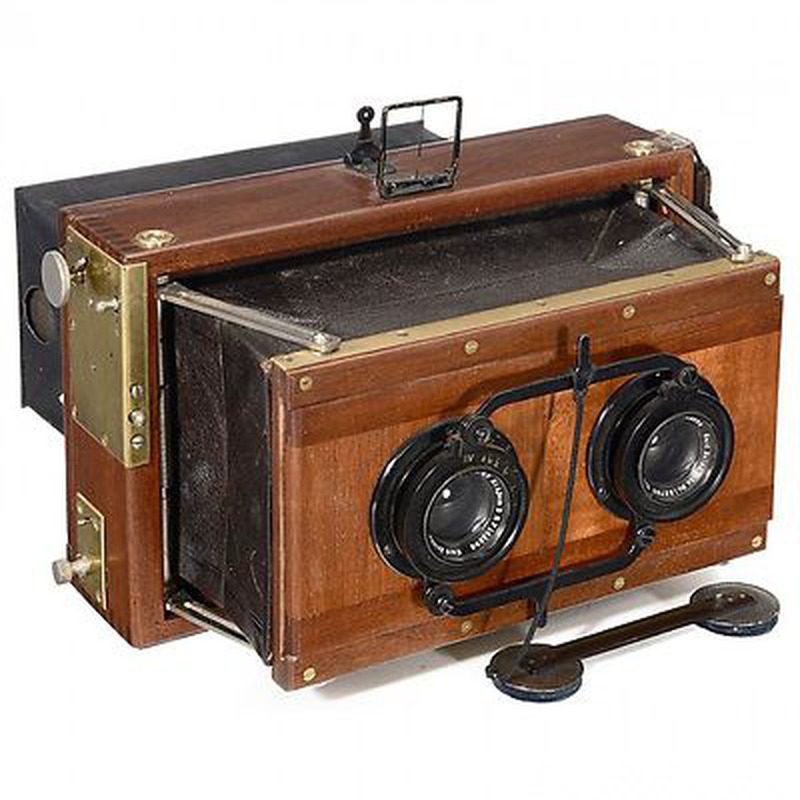
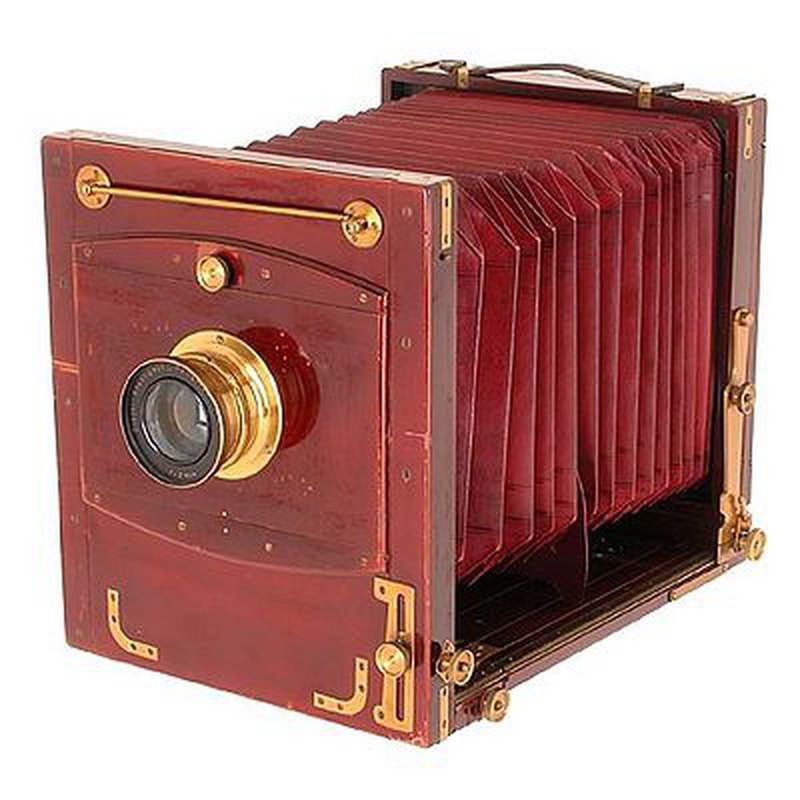
The Ernemann Kino A (Normal-Aufnahme, demo) represents an important transitional piece in the history of 35mm photography. Released in 1908, this camera emerged during a period when smaller formats were gaining traction for motion picture work and, increasingly, still photography by enthusiasts. As a "Normal-Aufnahme" (normal-taking) demonstrator model, it was likely intended to showcase Ernemann's capabilities in the burgeoning 35mm market, serving as a sales or training tool rather than a finished consumer product. Its 135 format designation aligns with the emerging standard for 35mm film, predating the more iconic Leica I (1925) that would truly establish the format for still cameras. The Kino A demonstrated Ernemann's early commitment to compactness and the potential of small-gauge film, bridging the gap between bulky plate/folder cameras and the future handheld 35mm revolution.
Constructed during the early years of precision camera manufacturing, the Kino A was likely engineered with Ernemann's characteristic attention to detail for its time, though its specific design features remain obscure without further detail. As a demonstrator unit, it may have utilised more robust materials or standardised components compared to a production run, reflecting its purpose for repeated handling and showcasing. Its existence underscores the competitive landscape in pre-WWI Germany, where manufacturers like Ernemann were actively experimenting with smaller formats and mechanisms that would ultimately shape the course of photographic technology, even if this particular model itself didn't achieve widespread notoriety.
Specifications
| Film Format | 135 |

/main.jpg)
/main.jpg)
/main.jpg)
 Enjoy this museum? Support on Ko-fi