Pricing
Ernemann Globus G
Ernemann · Germany · 1907–1913 (6 years) · 135 film
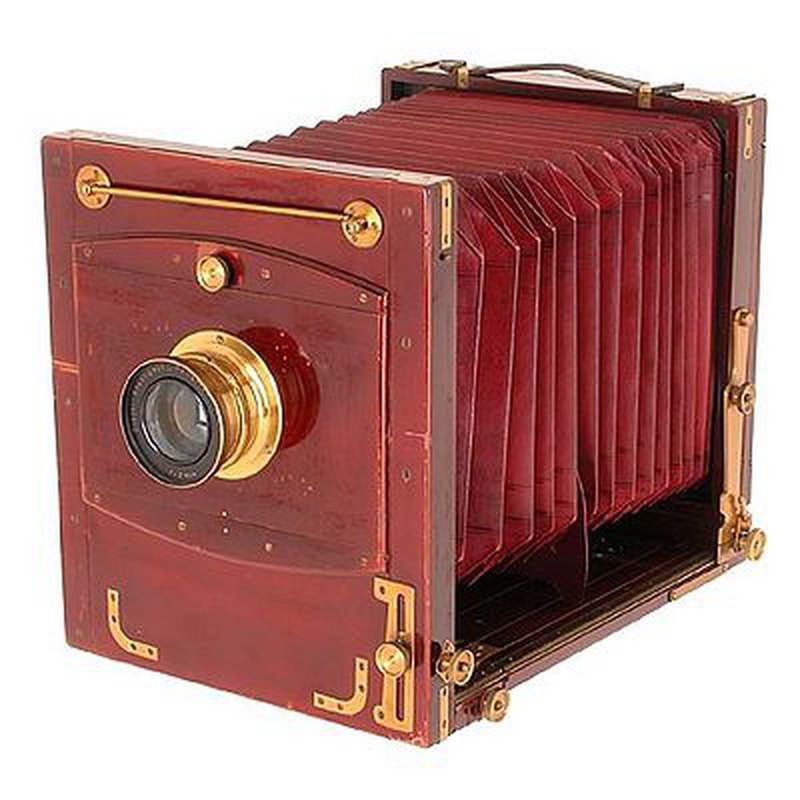
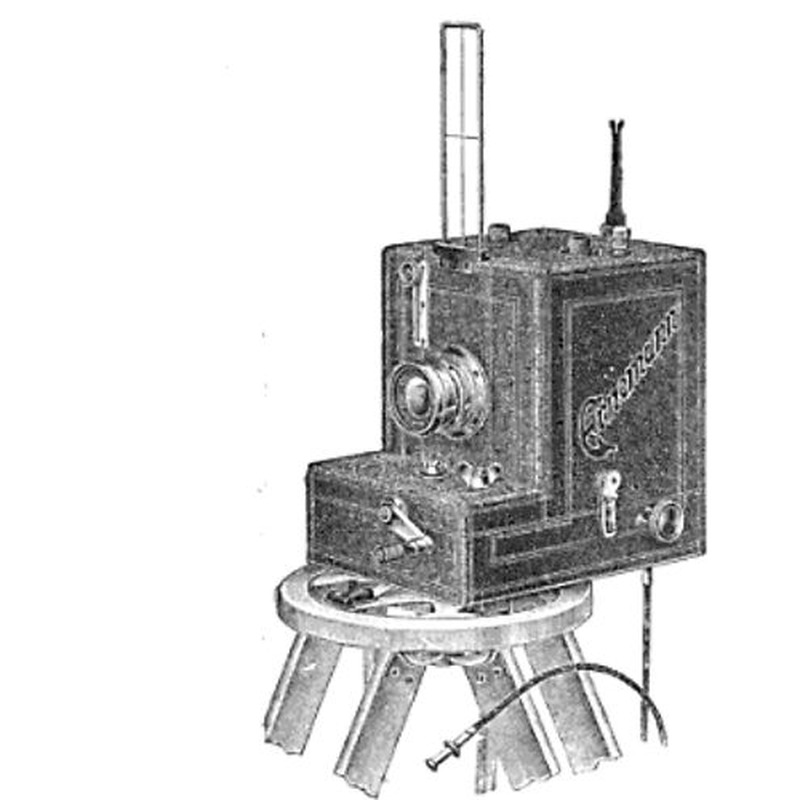
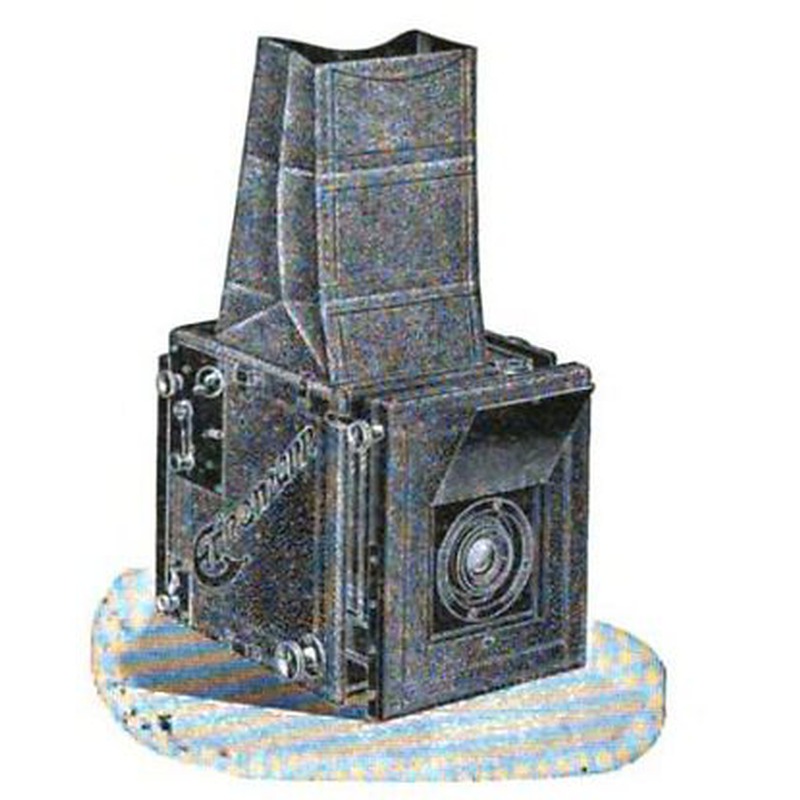
The Globus G by Ernemann represents an interesting transitional phase in camera history as one of the early 35mm cameras, predating the format's later popularization by models like the Leica I. Produced in Germany between 1907 and 1913, this camera emerged during a period when photography was gradually shifting from glass plates and roll film to more portable formats. While its specific features are not widely documented, its production of 135-format film indicates Ernemann's forward-thinking approach in experimenting with smaller film formats that would eventually dominate amateur photography in later decades. Ernemann, known for quality optical equipment, positioned the Globus G as a precision instrument for the serious photographer of that era.
The camera exists at an interesting historical moment - before the standardized 35mm cartridge format was fully adopted, yet after the early experiments with perforated film pioneered by motion picture technology. This places the Globus G within a lineage of experimental camera designs that contributed to the eventual standardization of 35mm photography. While not a revolutionary design that changed photographic practice, its significance lies in representing the technological experimentation that preceded the 35mm camera boom of the 1920s and 1930s. As an early adapter of 135 film, the Globus G stands as a testament to the continuous evolution of camera design that brought photography to new formats and applications.
Specifications
| Film Format | 135 |
/main.jpg)
/main.jpg)
_(Tropical)/main.jpg)
 Enjoy this museum? Support on Ko-fi