/main.jpg)
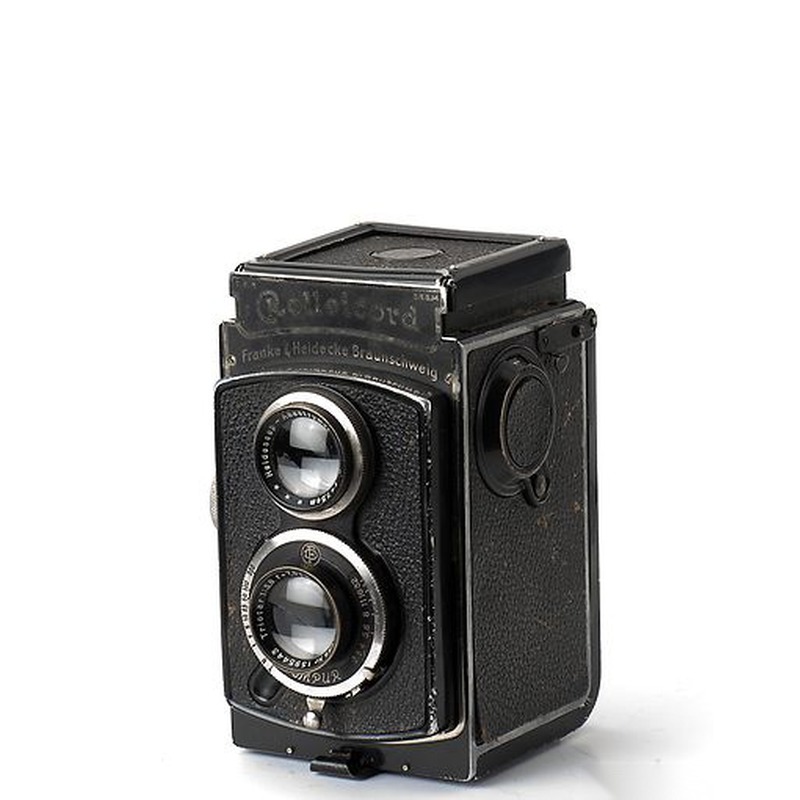
Rolleicord I 'Tapeten' (Wallpapered)
Rollei · Germany · 1933–1936 (3 years) · 120 film
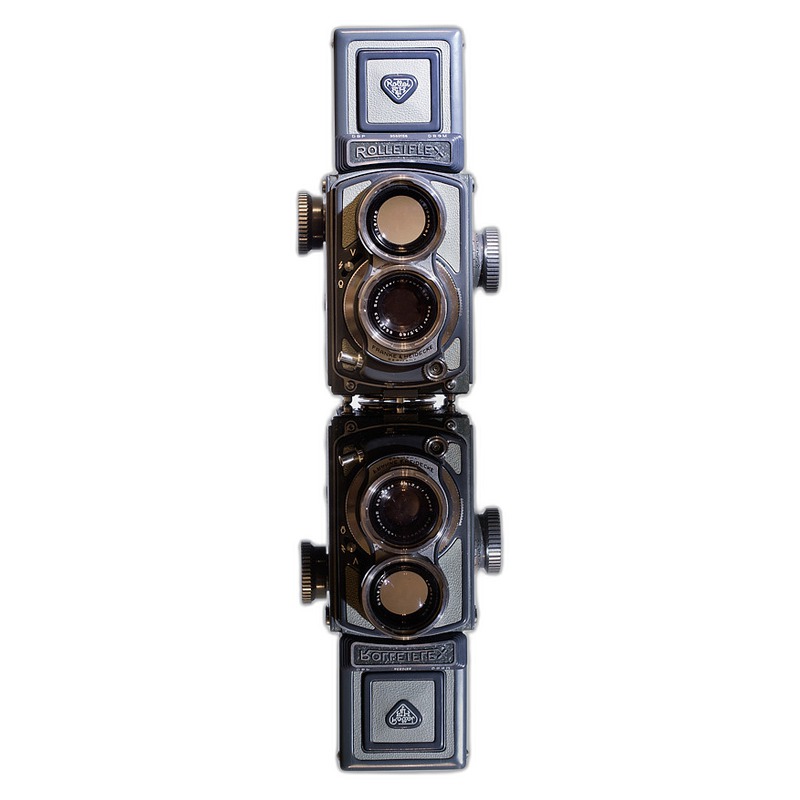
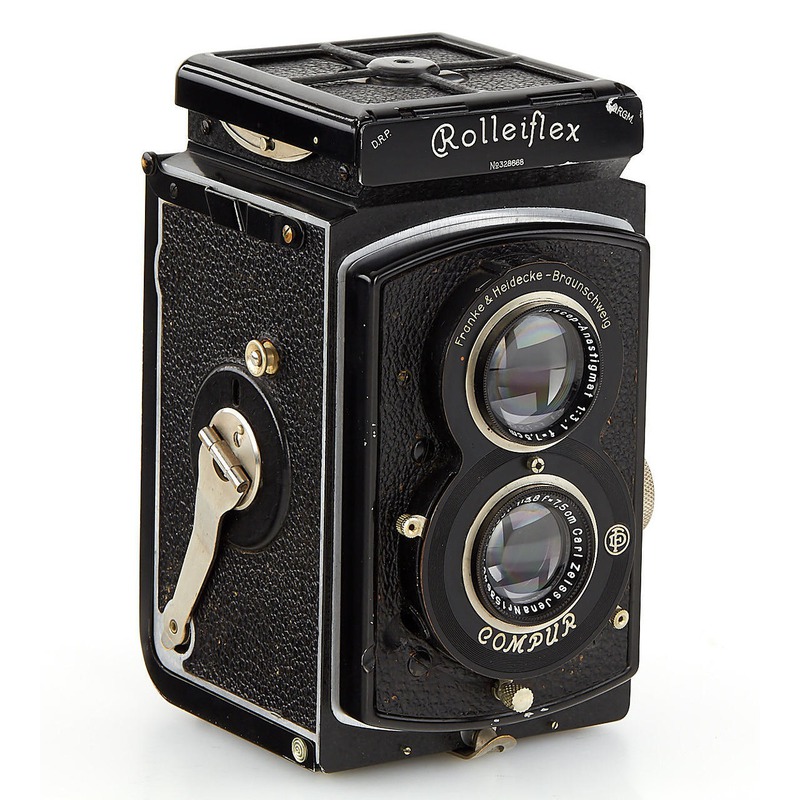
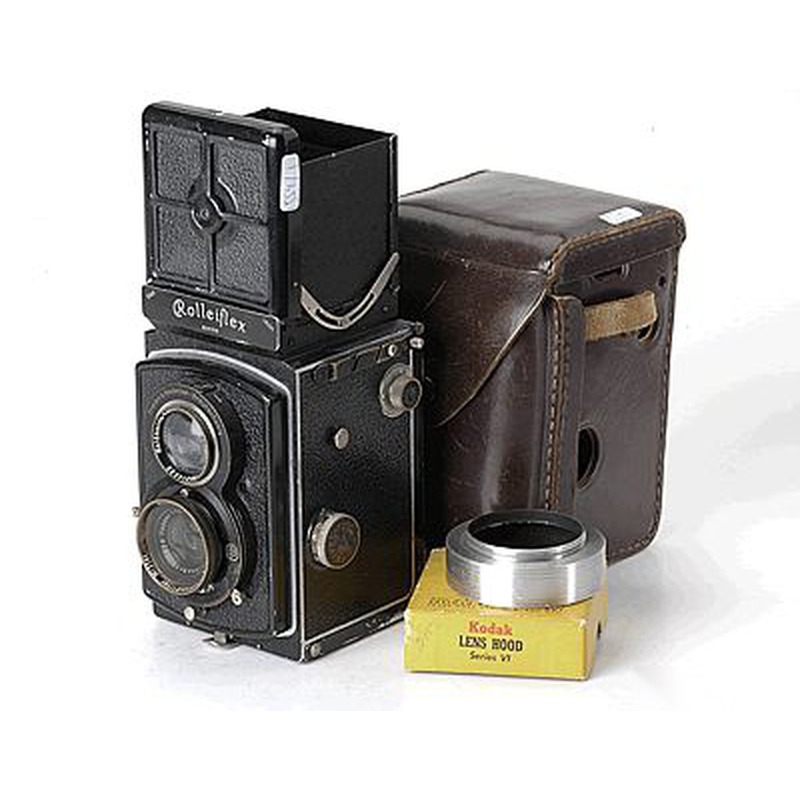
The Rolleicord I 'Tapeten' represents Rollei's strategic entry into the burgeoning amateur medium format market during the mid-1930s. As a simplified, more affordable counterpart to the prestigious Rolleiflex twin-lens reflex (TLR) camera, it democratized 6x6 cm photography without sacrificing the core viewing and focusing advantages of the TLR design. Sharing the iconic waist-level finder and coupled rangefinder system of its more expensive sibling, the Cord offered a compact, intuitive shooting experience using readily available 120 film. Its defining characteristic, the decorative "Tapeten" (wallpapered) finish applied to its metal body casing, was a distinctive aesthetic choice of the era, adding a touch of individuality to its utilitarian form. Produced from 1933 to 1936, this specific variant exemplifies Rollei's success in bridging the gap between professional aspirations and consumer affordability during a transformative period in photography.
While mechanically simpler than the Rolleiflex, lacking features like automatic parallax compensation and interchangeable lens boards, the Rolleicord I 'Tapeten' was robustly constructed for its intended purpose. It featured a reliable Synchro-Compur or Compur shutter, typically offering speeds from 1s to 1/500s, and a fixed triplet lens (either a Triotar or Tessar-type), providing adequate sharpness for general amateur photography. Its straightforward controls and reliable operation made it a popular choice for enthusiasts and serious hobbyists seeking quality medium format images beyond 35mm capabilities. The 'Tapeten' model is particularly notable for its decorative finish, making it a visually distinct representative of Rollei's early Cord series and a snapshot of 1930s camera design trends where both function and modest form flourished.
Specifications
| Film Format | 120 |
/main.jpg)
/main.jpg)
 Enjoy this museum? Support on Ko-fi