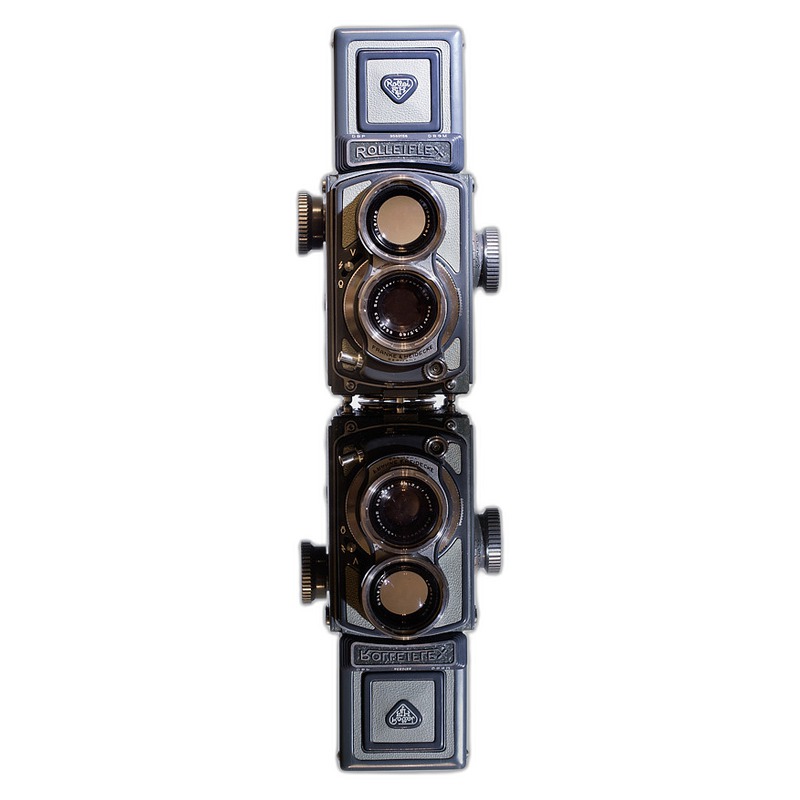
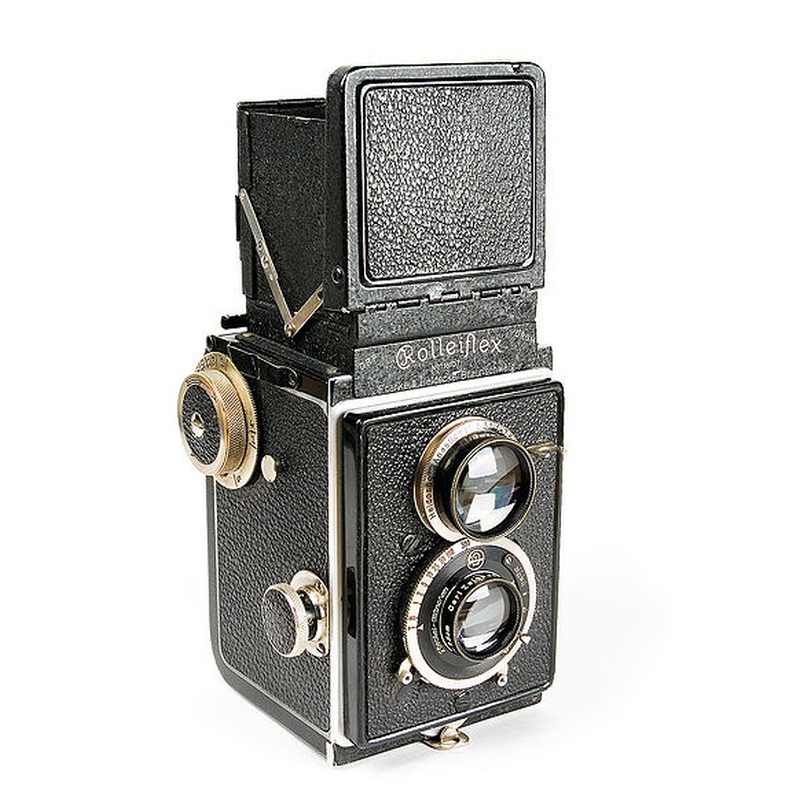
Rollei Studio Rolleiflex
Rollei · Germany · 1932–1934 (2 years) · 120 film
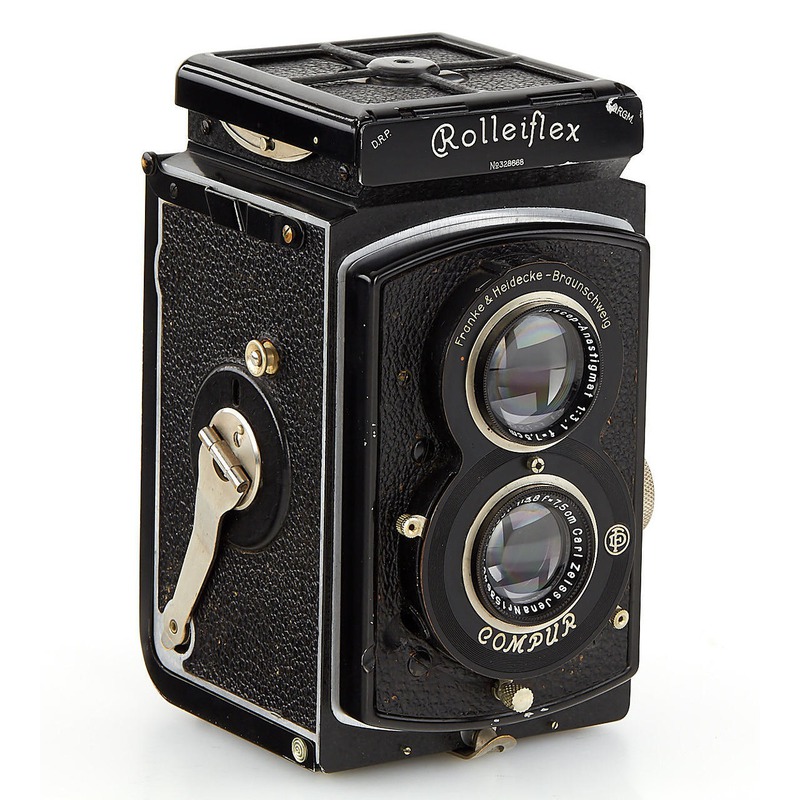
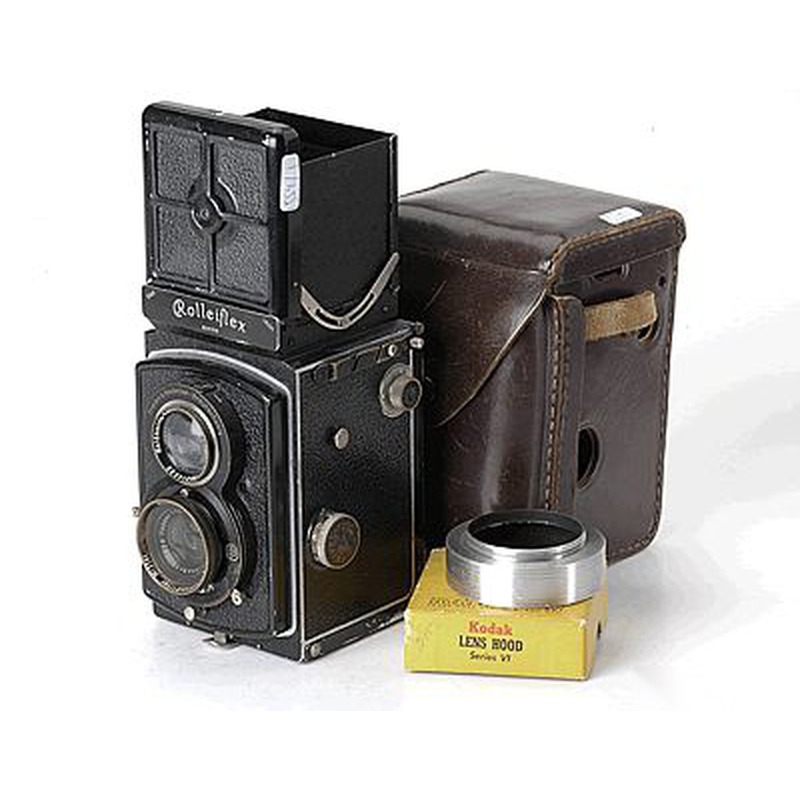
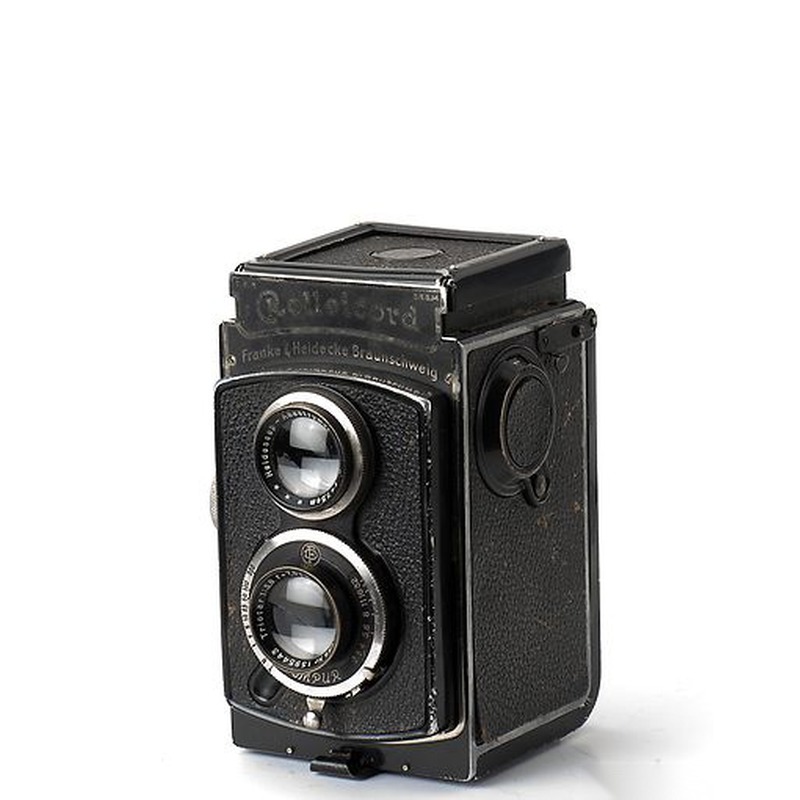
The Studio Rolleiflex was a specialized medium format camera produced by Rollei during its formative years, 1932 to 1934. Designed specifically for studio photographers, it built upon the innovative twin-lens reflex (TLR) concept introduced with the original Rolleiflex in 1929. Utilizing the standard 120 roll film, it captured 6x6 cm negatives, a format still valued for its negative size and image quality. While sharing the core TLR design principle—a reflex viewing system via a ground glass screen and a taking lens mounted above it—the Studio Rolleiflex likely featured refinements suited to controlled studio environments, such as potentially a more robust body construction, a flat base for tripod mounting stability, or specific shutter or lens mount configurations optimized for studio lighting and precision framing. It represented Rollei's early commitment to catering to professional and semi-professional photographers in a specialized market segment before the mass-market success of subsequent models like the Rolleiflex Automat. Its relatively short production run makes it a distinct piece within Rollei's early history, bridging the gap between the initial groundbreaking Rolleiflex and the refined models that followed.
Specifications
| Film Format | 120 |
/main.jpg)
/main.jpg)
 Enjoy this museum? Support on Ko-fi