/main.jpg)
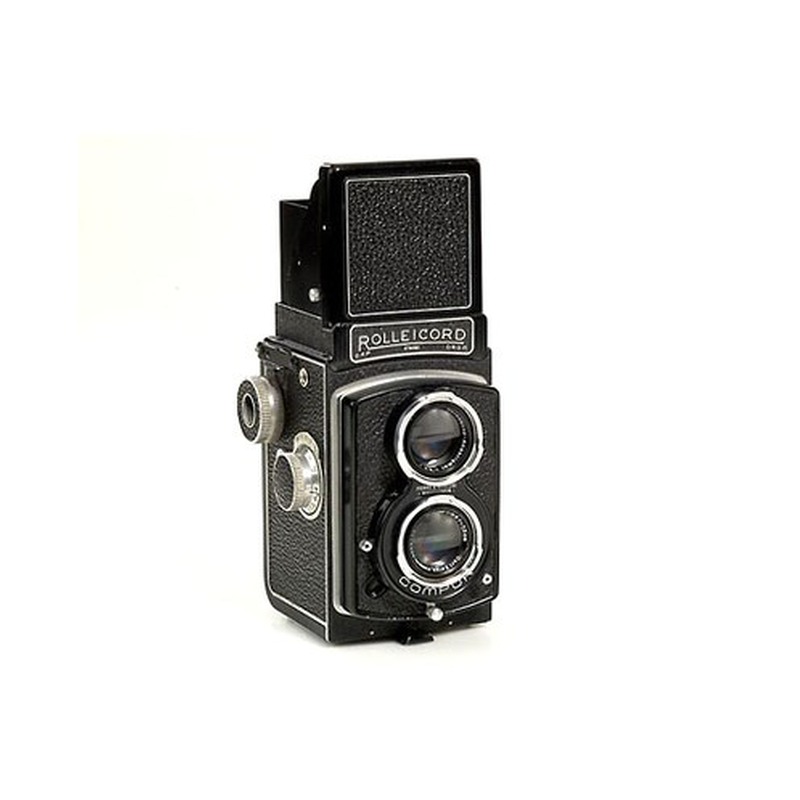
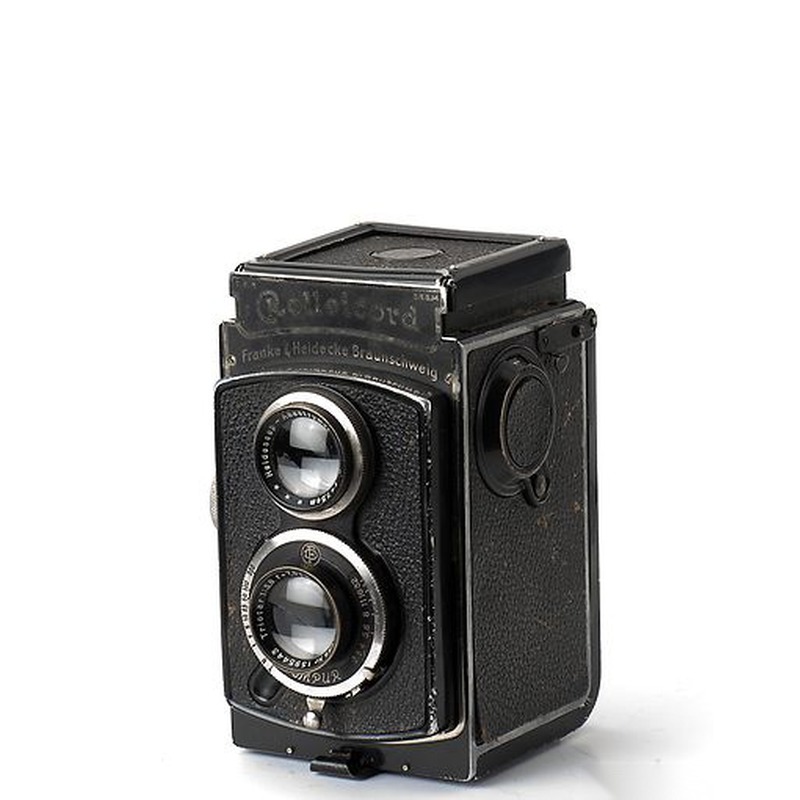
Rolleicord II (w/Optiflex)
Rollei · Germany · 1936–1937 (1 years) · 120 film
The Rolleicord II (w/Optiflex) represents a significant step in making medium format twin-lens reflex (TLR) photography accessible. Produced by Rollei for a brief period in 1936-1937, it positioned itself as the more affordable sibling to the iconic Rolleiflex, targeting enthusiasts and professionals seeking a lower entry point to 120 film photography. While sharing the core Rolleicord design philosophy—featuring a waist-level finder and coupled range-finder system with a 75mm Zeiss Triotar lens standard—it differentiated itself with its inclusion of the "Optiflex" system. This system offered built-in close-up capability via Rolleinar supplementary lenses, allowing for greater compositional flexibility without cumbersome external attachments, making it a practical tool for portrait and still-life work within its affordable price bracket. Its robust metal construction and reliable shutter mechanism, albeit simpler than the Rolleiflex, established Rollei's reputation for dependable, user-focused medium format cameras.
This model embodies the era when medium format became increasingly viable beyond the professional studio. By offering a well-built, easy-to-use TLR with respectable optics and the innovative Optiflex close-up system at a more attainable cost, the Rolleicord II democratized high-quality roll film photography. It provided photographers with a significant upgrade from smaller cameras, delivering superior image quality and unique handling characteristics central to TLR photography. Its production timeframe reflects Rollei's strategy of refining its lineup, ultimately leading to the development of later Rolleicord models that further cemented the series' popularity.
Specifications
| Film Format | 120 |
/main.jpg)
/main.jpg)
/main.jpg)
/main.jpg)
 Enjoy this museum? Support on Ko-fi