/main.jpg)
Pricing
Leica Tandem (TOWIN)
Leica · Germany · 1950 · 135 film
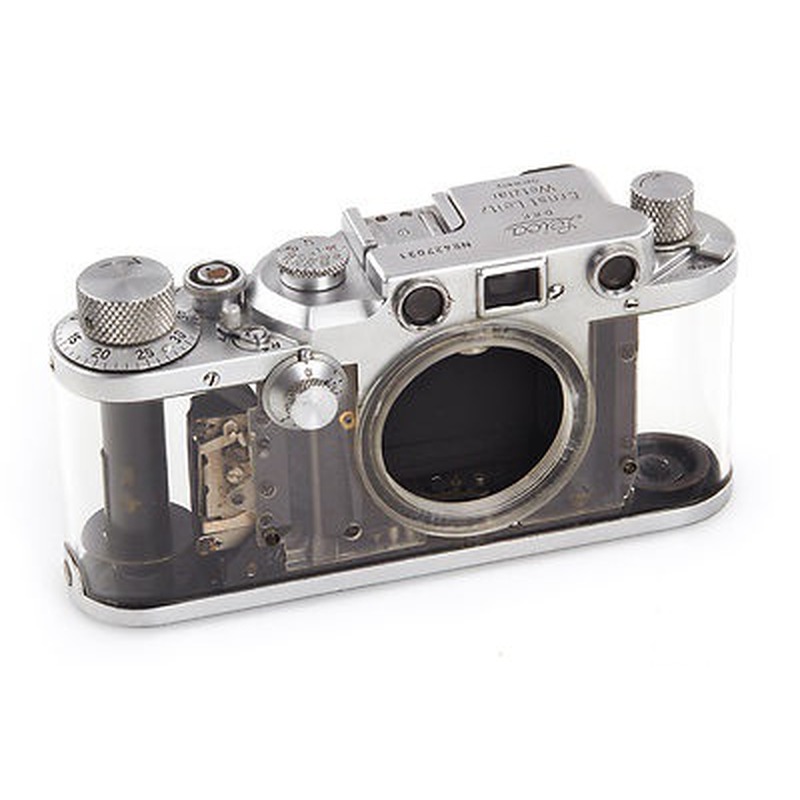
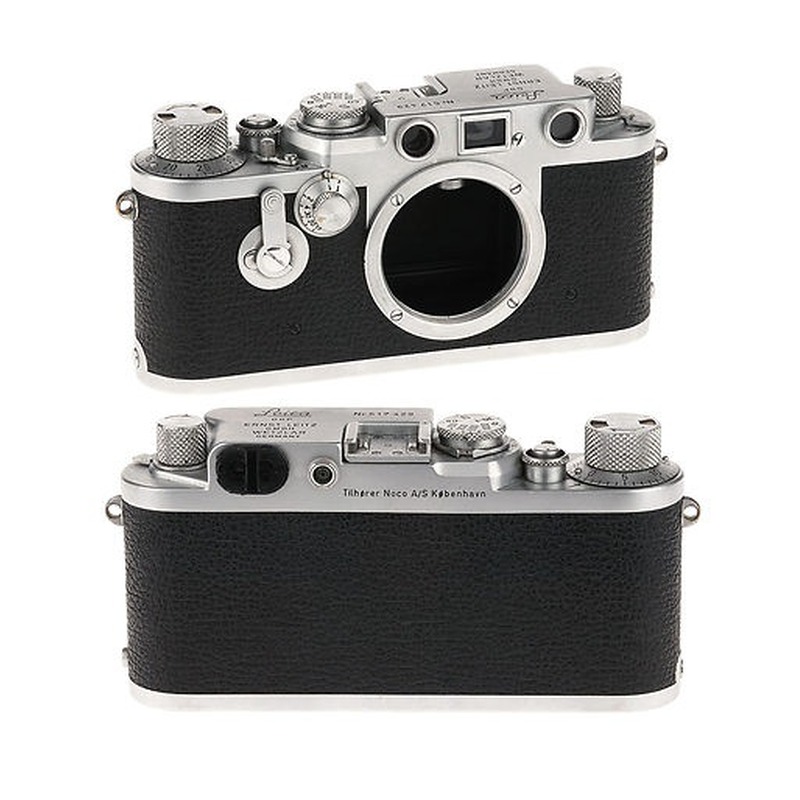
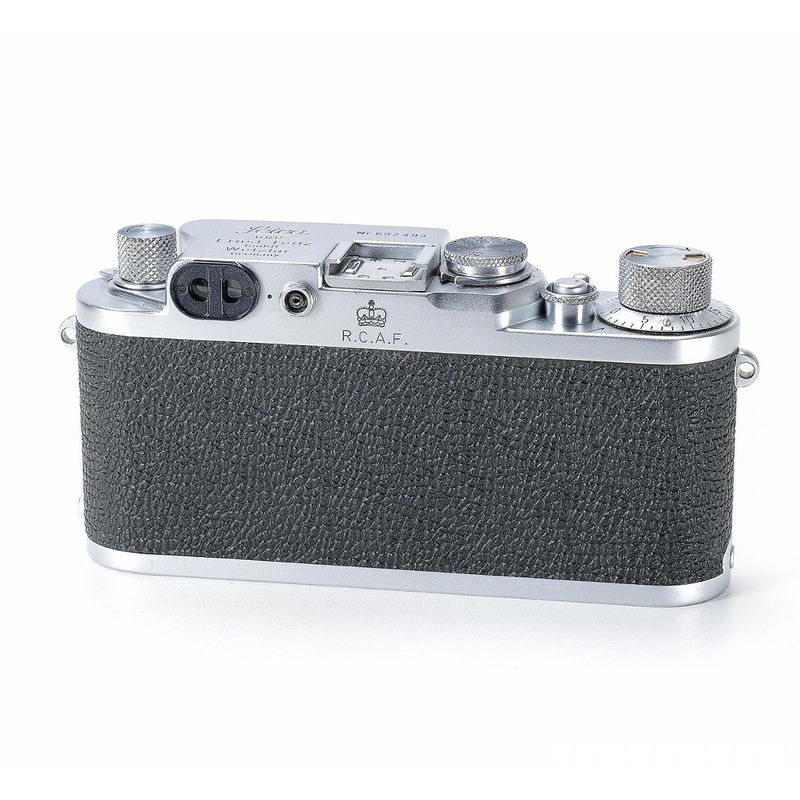
The Tandem (TOWIN) represents a lesser-known chapter in Leica's post-war production, introduced in 1950 as a 35mm camera for the 135 format. Designed as a relatively simple, compact viewfinder camera, it catered to photographers seeking a reliable Leica-built instrument without the complexity or expense of the flagship models like the III series. Its construction likely adhered to Leica's standard of quality, utilizing robust metal bodies and precision mechanics typical of the era, though it lacked the interchangeable lens systems or advanced rangefinders found in higher-tier Leica products. The Tandem was a practical, workhorse camera, embodying Leica's commitment to producing accessible yet well-engineered equipment during a period of rebuilding.
While not remembered as a landmark design, the Tandem holds interest as an example of Leica diversifying its lineup beyond its traditional rangefinder core. It filled a niche for users wanting a straightforward Leica camera, offering the reliability associated with the brand in a more basic package. Its production was likely modest compared to Leica's iconic models, contributing to its relative obscurity today. The camera serves as a historical footnote, illustrating Leica's strategy to maintain market presence across different segments of the 35mm market during the early 1950s, bridging the gap between simpler consumer cameras and the professional rangefinders that defined its reputation.
Specifications
| Film Format | 135 |
_'Monte_en_Sarre'/main.jpg)
_Syn_'Leitz-Eigentum'/main.jpg)
 Enjoy this museum? Support on Ko-fi