_Syn_'Leitz-Eigentum'/main.jpg)
Pricing
Leica IIIa (Mod G) Syn 'Leitz-Eigentum'
Leica · Germany · 1950 · 135 film
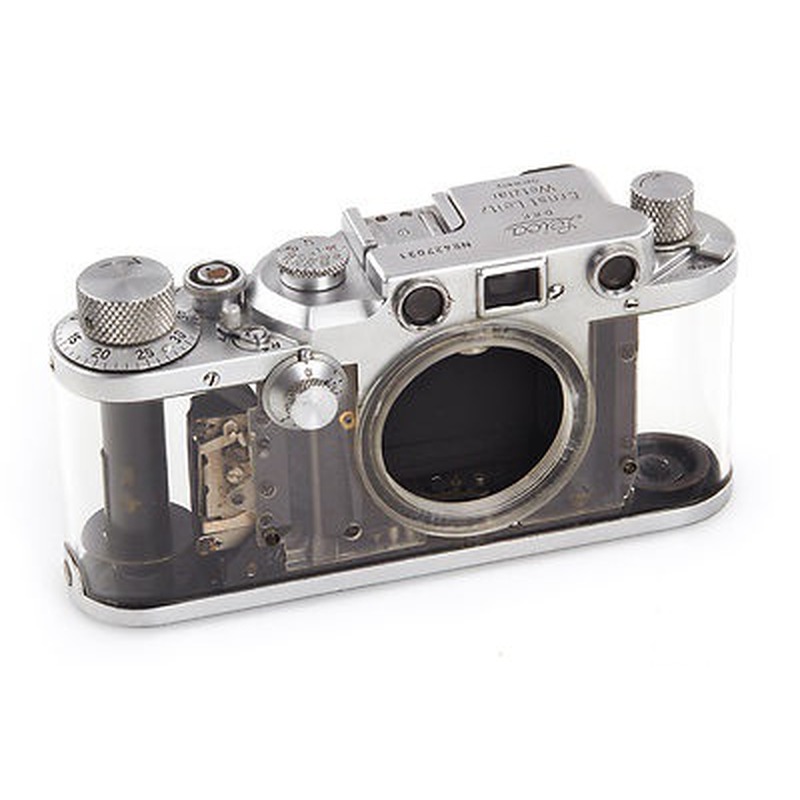
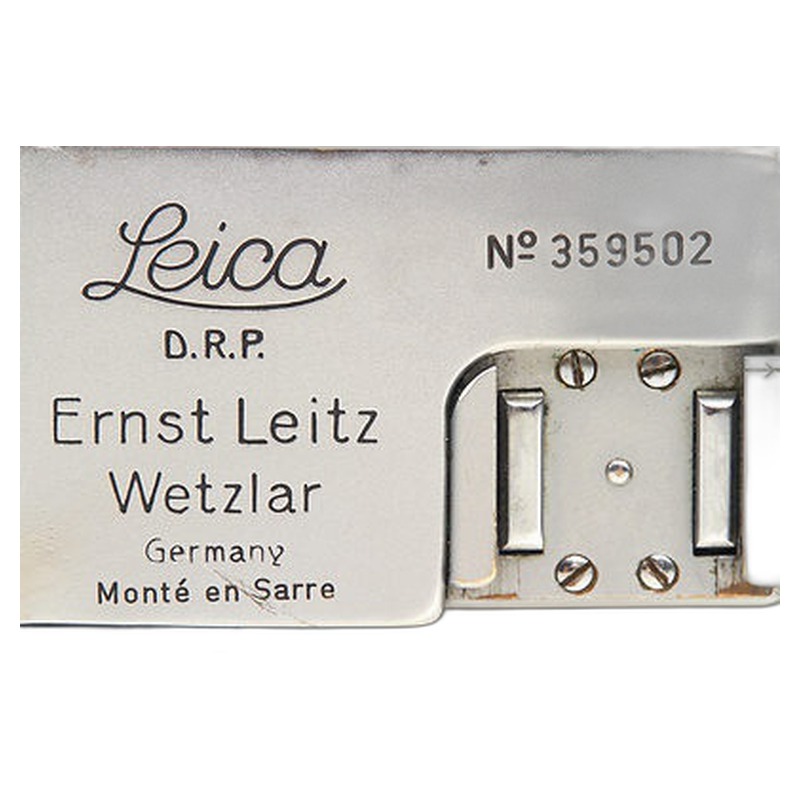
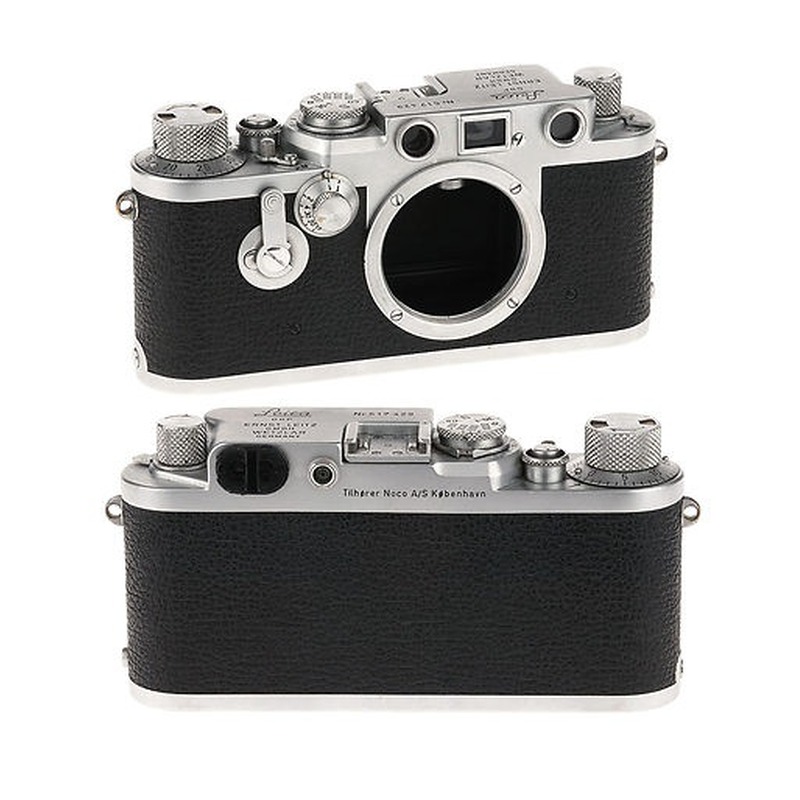
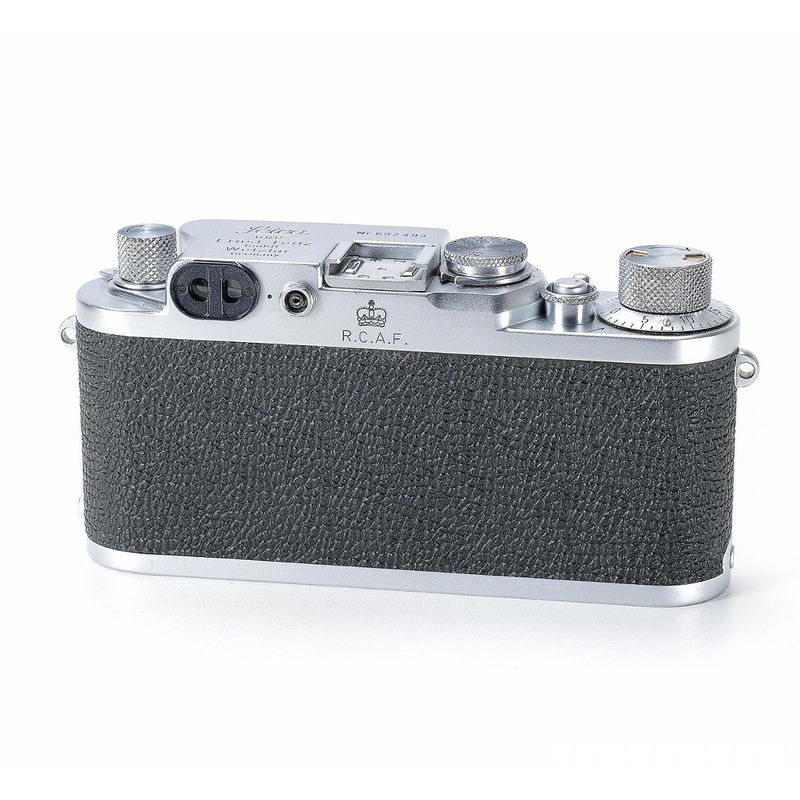
The Leica IIIa (Mod G) Syn 'Leitz-Eigentum' represents a specific late-production variant of the influential Leica III series, manufactured in 1950. As a refinement of the original Leica design (1925), the IIIa introduced a faster top shutter speed (1/1000s) compared to its predecessor, the III, while maintaining the classic coupled rangefinder and cloth focal-plane shutter. The 'Syn' designation specifically denotes the addition of flash synchronization capability, a practical enhancement for the era. The significant 'Leitz-Eigentum' marking translates to "Leitz Property," indicating this particular example was not a standard commercial camera but likely a factory prototype, test unit, or internal asset used by Ernst Leitz Wetzlar, underscoring its status as a special piece within Leica's production history. It embodies the robust craftsmanship and precise engineering characteristic of Leica cameras of this period, housed in the traditional compact, black enamel-finished body with chrome top plates.
While sharing the core lineage and excellence of the Leica III line, the IIIa (Mod G) Syn 'Leitz-Eigentum' occupies a niche position. Its importance lies more in its exemplification of Leica's mid-century refinement and the distinct "Leitz-Eigentum" provenance, marking a transitional moment just before the introduction of the IIIg (1952) and the eventual shift to the revolutionary M3 system (1954). It represents a well-engineered, significant tool of its time, enhanced by flash sync and bearing a unique factory connection, rather than being a landmark innovation itself.
Specifications
| Film Format | 135 |
_'Monte_en_Sarre'/main.jpg)
/main.jpg)
 Enjoy this museum? Support on Ko-fi