Pricing
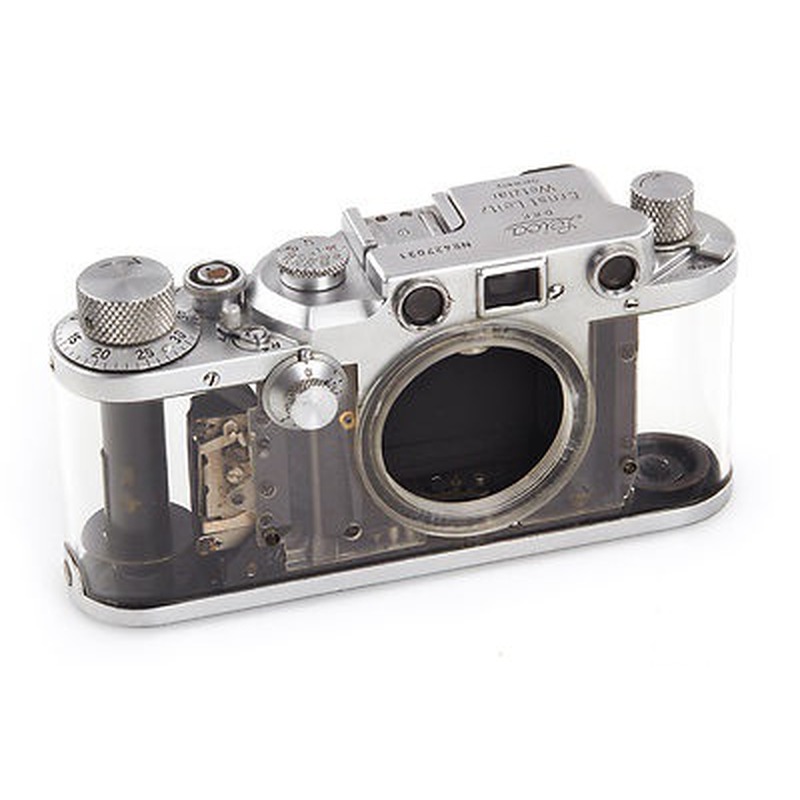
Leica IIIc 'Display Model'
Leica · Germany · 1950 · 135 film
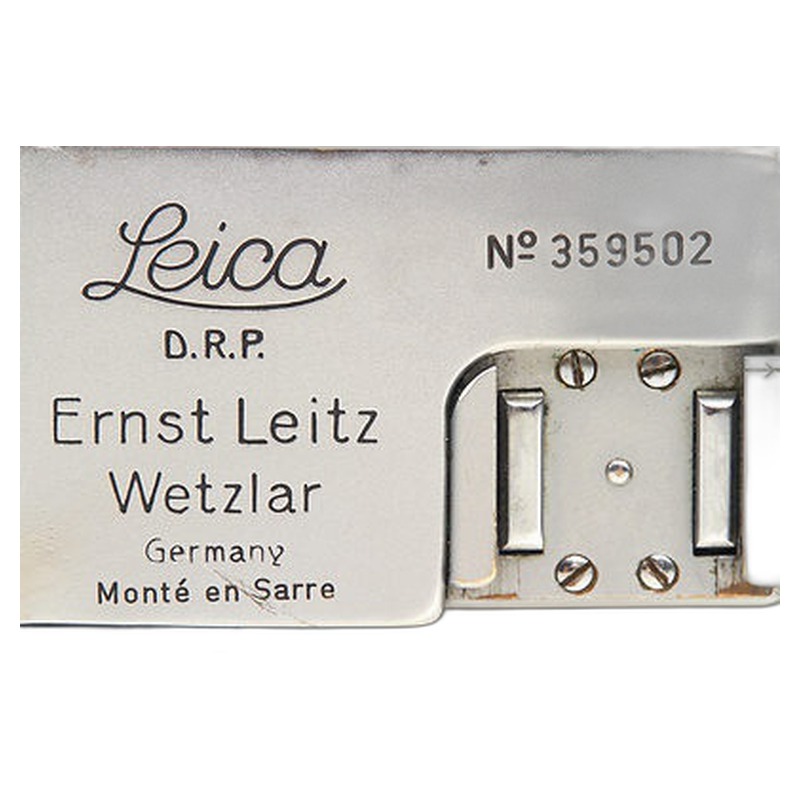
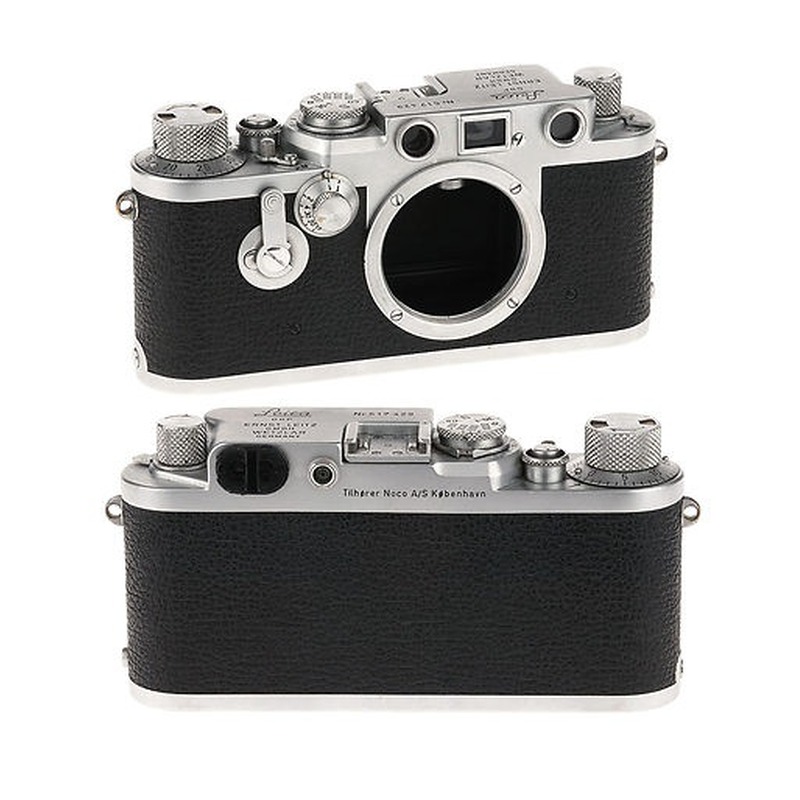
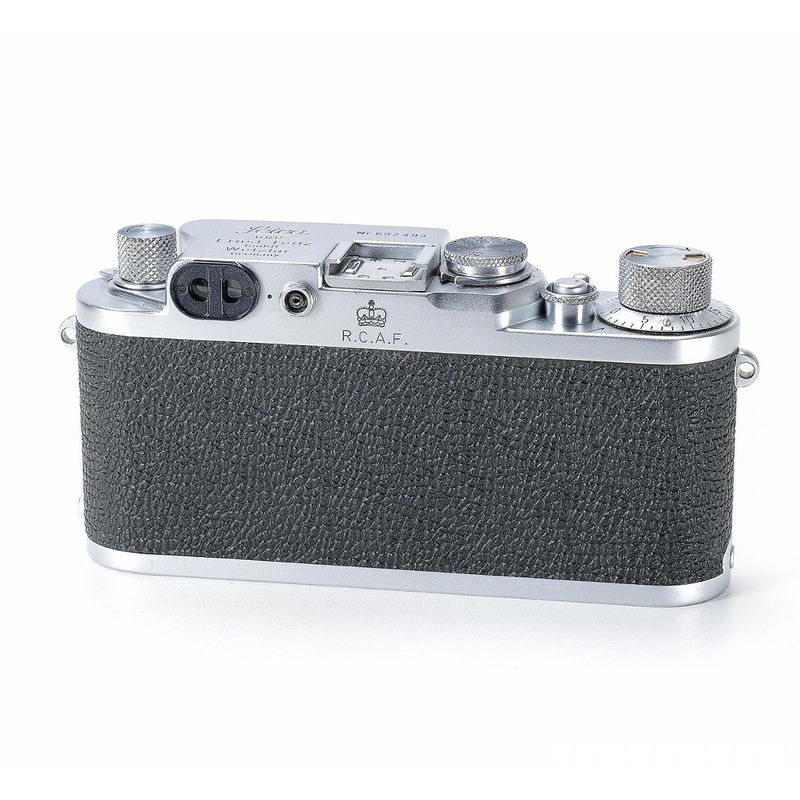
The Leica IIIc 'Display Model' of 1950 is a variant of the landmark Leica IIIc, introduced in 1939 as the first Leica body constructed entirely from lightweight, strong die-cast alloy, significantly reducing weight and manufacturing costs while maintaining durability. This 'Display Model' likely shares the core engineering of its production counterpart: coupled rangefinder and viewfinder for accurate focusing and composition, a top-mounted film speed reminder dial, and the robust Leica M39 screw mount for interchangeable lenses. Designed primarily as a demonstration piece for showcases or dealer counters rather than a field camera, it typically features a high-polish chrome finish without the usual wear associated with professional use and may lack functional details like a film back or shutter release, serving purely to showcase Leica's precision engineering. It represents a significant technical evolution within the Leica rangefinder line, embodying the brand's commitment to miniaturization and quality during the post-War era when Leica dominated the high-end 35mm camera market.
This display model holds a specific niche significance as a tangible artifact showcasing the design language and manufacturing prowess of the iconic IIIc series at a pivotal moment. While not a tool used by famous photojournalists like its production siblings, it provides a pristine window into the aesthetic and functional presentation of Leica products, reflecting the brand's meticulousness and the camera's role as a status symbol and professional standard. Its existence underscores the commercial presentation strategies employed by Leica during the early 1950s.
Specifications
| Film Format | 135 |
_'Monte_en_Sarre'/main.jpg)
_Syn_'Leitz-Eigentum'/main.jpg)
/main.jpg)
 Enjoy this museum? Support on Ko-fi