Pricing
Ernemann Russland
Ernemann · Germany · 1900–1907 (7 years) · 135 film
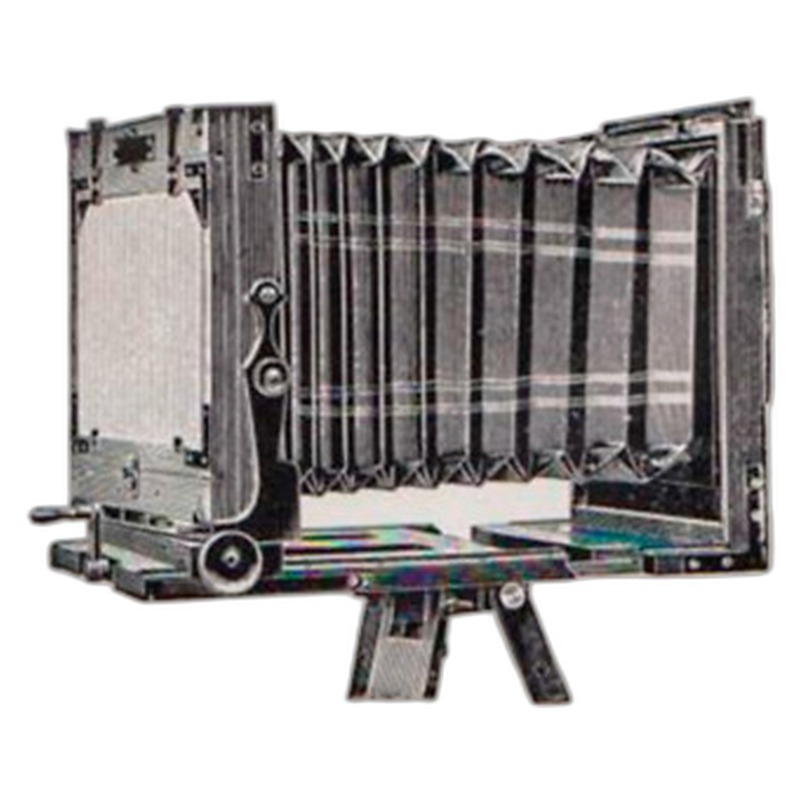
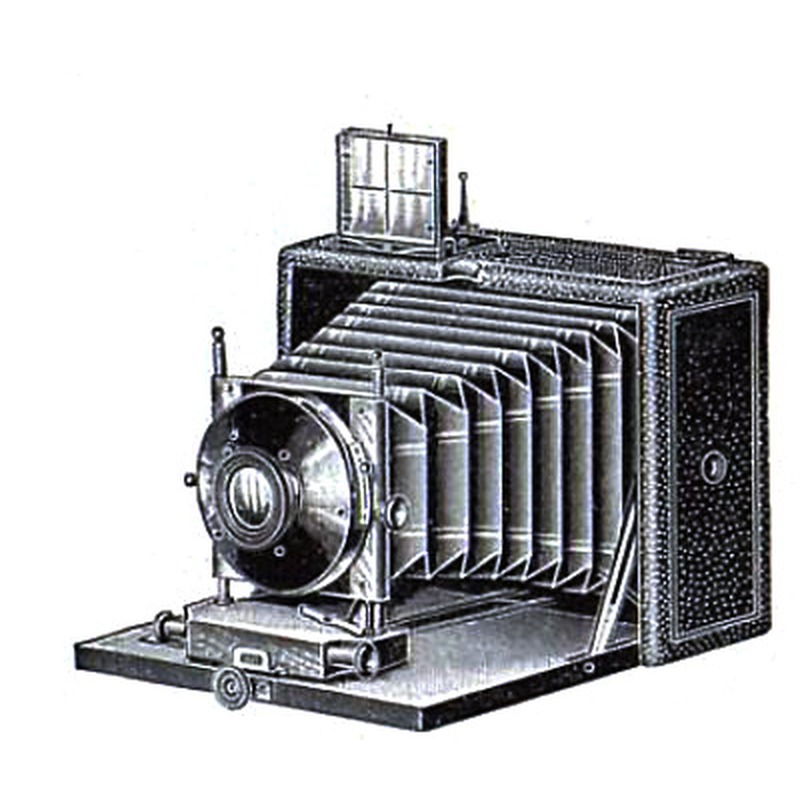
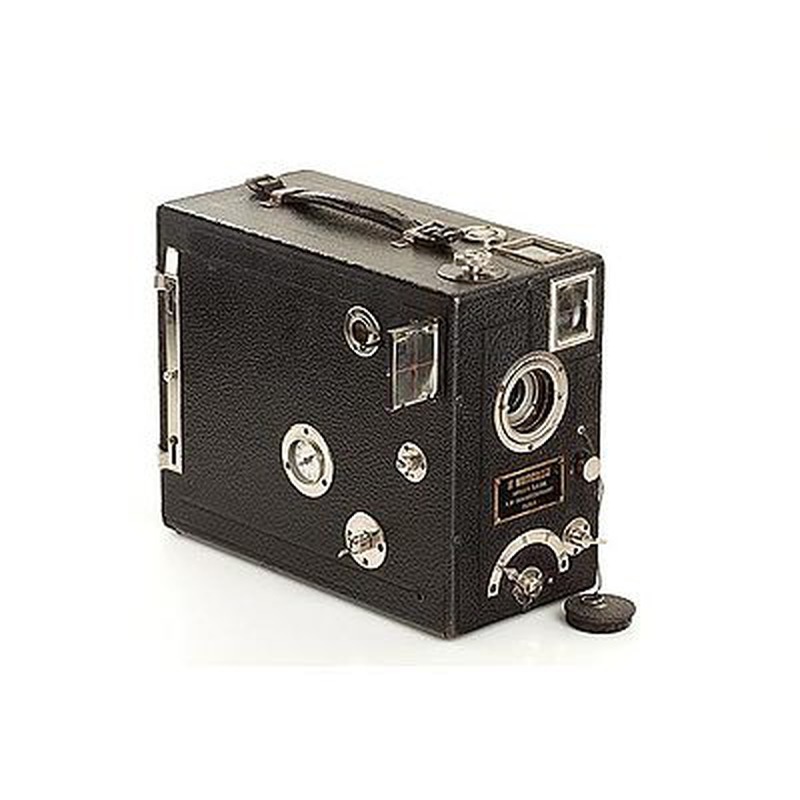
The Ernemann Russland holds a distinct place in photography history as one of the very earliest cameras designed to use 35mm motion picture film, predating the iconic Leica I by nearly two decades. Produced by the respected German company Ernemann from 1900 to 1907, it represents a crucial, though not yet mainstream, step towards the miniature camera revolution. While the exact camera type within the "Russland" designation remains unspecified, its use of the 135 format (eventually standardized for still photography) underscores its experimental and forward-thinking nature during an era dominated by larger, bulkier plate and roll-film cameras. The Russland catered to photographers seeking a more portable solution than the equipment of the time, even if its adoption by the general public was limited compared to later innovations. Its significance lies in demonstrating the viability of 35mm film for still photography before it became the industry standard.
Camera designs from this period were typically robust constructions, often featuring metal bodies and bellows for focusing. The Russland, like many Ernemann products, was likely well-made for its time, emphasizing functionality and durability with materials suitable for professional or serious amateur use. However, its design was inherently constrained by the format's initial adaptation from movie film, potentially involving smaller viewfinders, simpler shutters, and a less refined ergonomic experience compared to purpose-built still cameras that would follow decades later. Despite these limitations, the Russland stands as a tangible artifact of the early exploration of miniature formats, playing a small but undeniable role in the technological lineage that led to the rise of 35mm photography in the 1920s and beyond.
Specifications
| Film Format | 135 |
/main.jpg)
/main.jpg)
/main.jpg)
 Enjoy this museum? Support on Ko-fi