Pricing
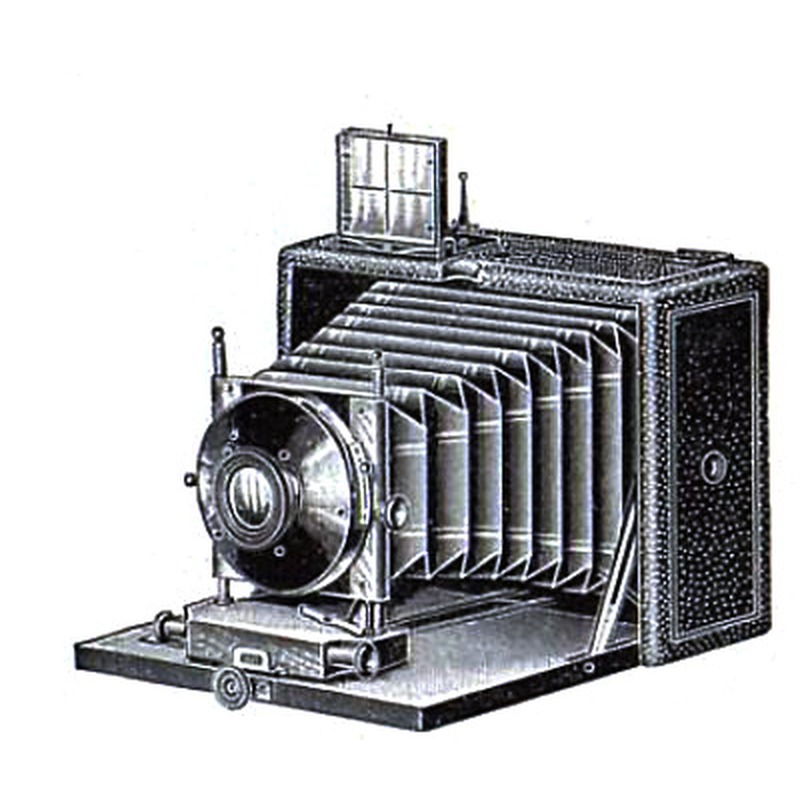
Ernemann Windsor
Ernemann · Germany · 1900–1903 (3 years) · 135 film
The Windsor represents an early experimental approach to 35mm photography, produced by the reputable German manufacturer Ernemann between 1900 and 1903. During this period, 35mm film was primarily used for motion pictures rather than still photography, making the Windsor a forward-thinking attempt to adapt this smaller format for still cameras. Ernemann, founded in 1889, was known for quality craftsmanship before eventually merging to become part of Zeiss Ikon in 1926, and the Windsor reflects this commitment to precision engineering despite its brief production run. While lacking the innovative impact of later landmark 35mm cameras like the Leica I (1925), the Windsor holds historical value as one of the earliest endeavors to create a compact still camera using a format that would eventually become the industry standard.
The camera's construction aligns with early 20th-century precision instruments, featuring sturdy metal bodies typical of Ernemann products. Its introduction predates the standardized 135 film format by decades, suggesting the Windsor likely used specialized cassettes or spools specific to this early implementation of 35mm photography. The brief production period from 1900 to 1903 indicates either limited commercial success or an experimental nature, making surviving examples particularly rare artifacts from a formative period in photography's transition toward smaller, more portable formats.
Specifications
| Film Format | 135 |
/main.jpg)
/main.jpg)
/main.jpg)
 Enjoy this museum? Support on Ko-fi