/main.jpg)
Pricing
Ernemann HEAG I (early)
Ernemann · Germany · 1900–1909 (9 years) · 135 film
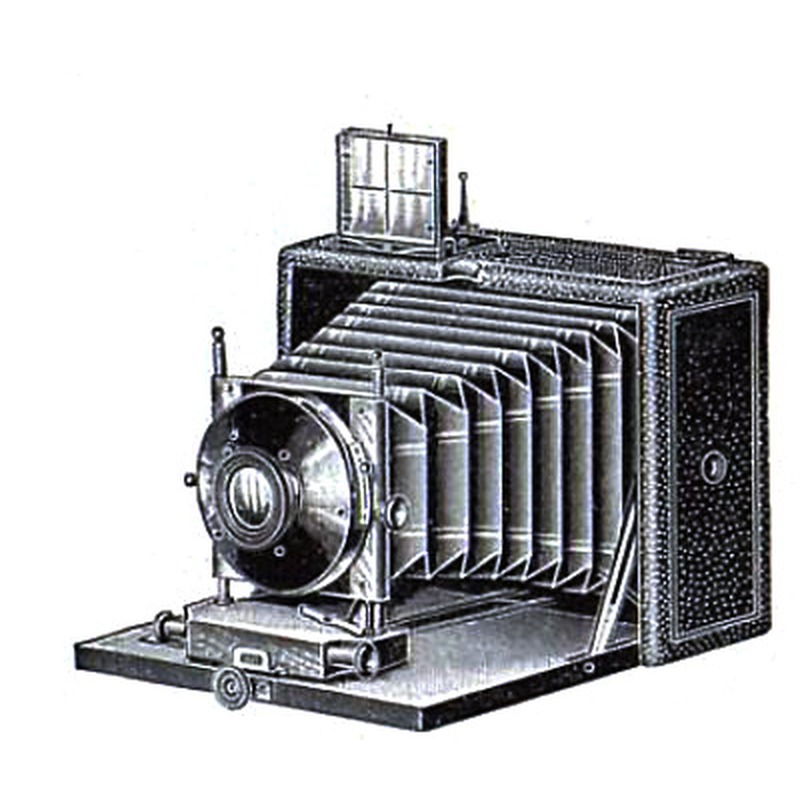
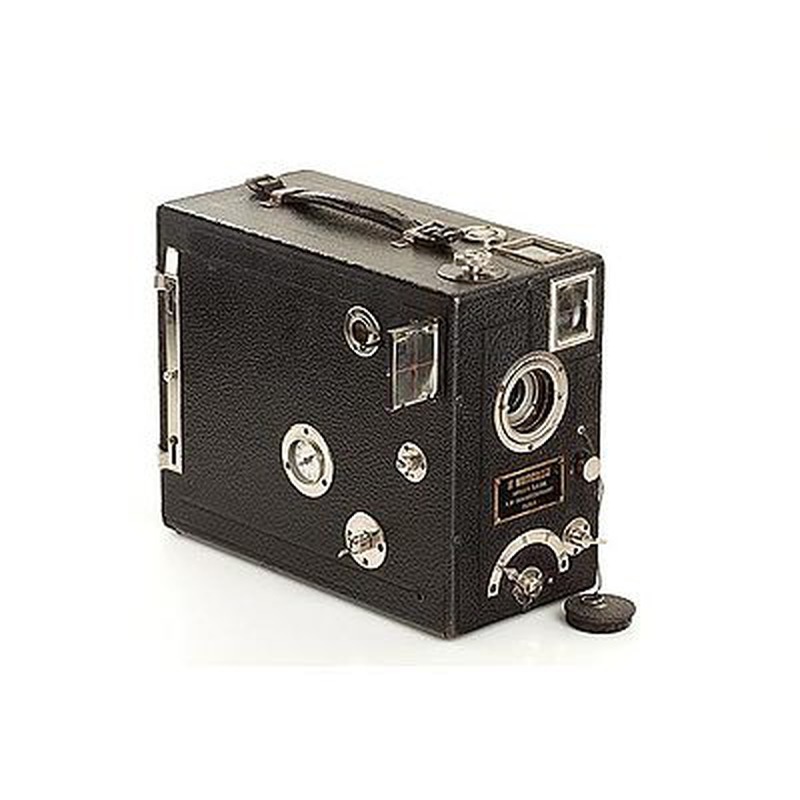
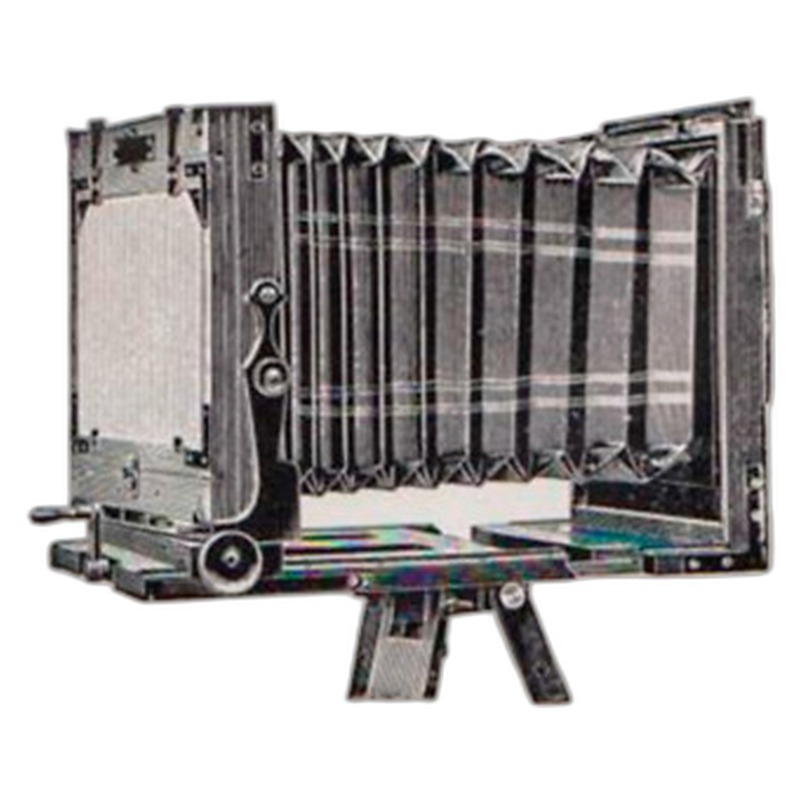
The HEAG I (early) represents Ernemann's early foray into the nascent 35mm format during the first decade of the 20th century. Produced from 1900 to 1909, this camera likely utilized 35mm perforated film strips, possibly repurposed from motion picture stock, to create smaller negatives than the standard plate and roll films of the era. Its construction would have been typical for high-quality German cameras of the period, likely featuring a compact body, perhaps of metal with leather covering, and a lens shutter system. While not achieving the legendary status of later Leicas, the HEAG I holds historical significance as an early practical attempt at creating a small, portable camera using the 135 format that would eventually dominate photography, contributing to the technological trajectory towards miniature cameras.
The camera would have offered photographers greater convenience and potential for candids compared to larger plate cameras of the time, though its specific features like lens types and shutter speeds remain less documented than more prominent models. Its production period coincided with Ernemann's reputation for solid engineering, suggesting reliable build quality within the constraints of early 20th-century manufacturing. It serves as an important artifact documenting the experimentation phase that preceded the iconic Leica I of 1925, demonstrating Ernemann's early engagement with the potential of small-format photography.
Specifications
| Film Format | 135 |
/main.jpg)
/main.jpg)
 Enjoy this museum? Support on Ko-fi