Pricing
Ernemann Bob I
Ernemann · Germany · 1903–1926 (23 years) · 135 film
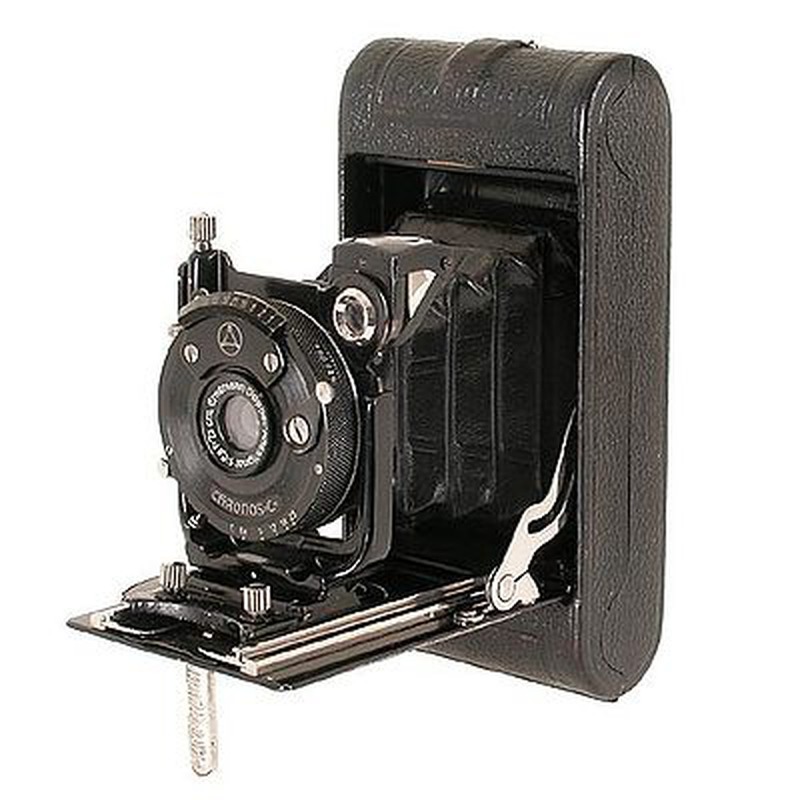
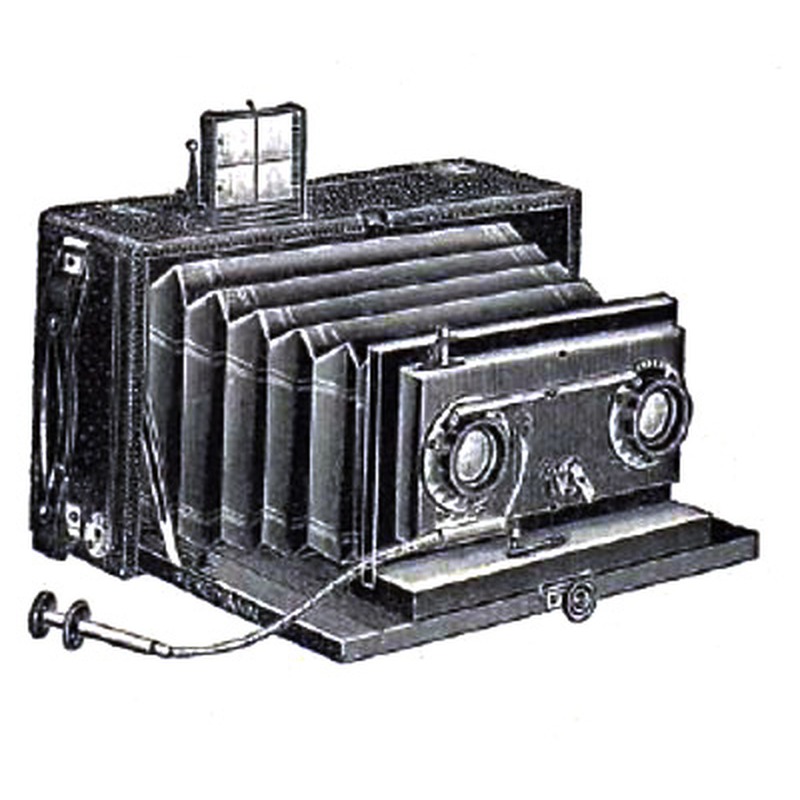
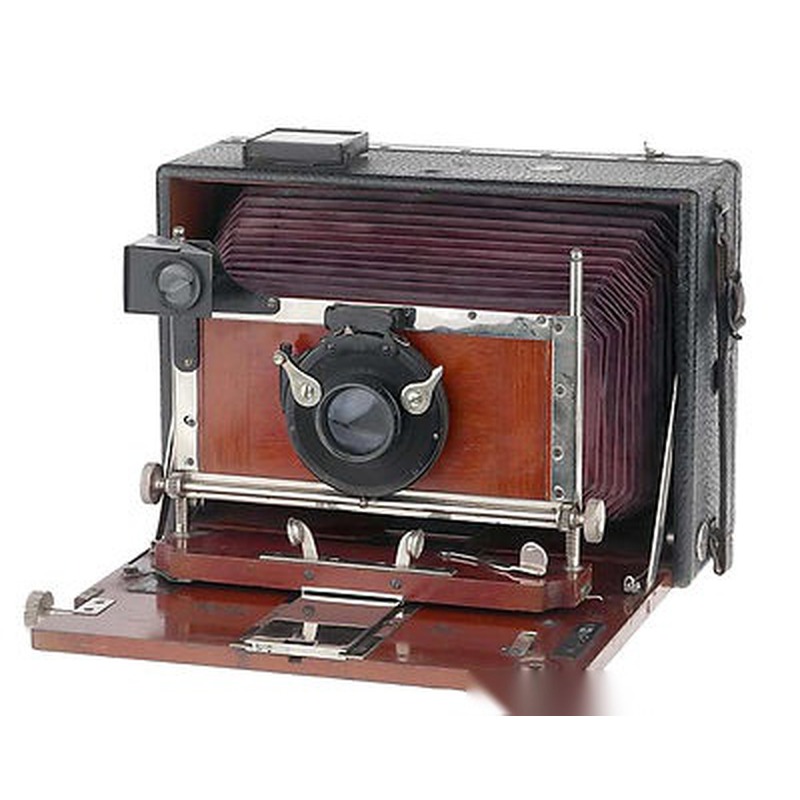
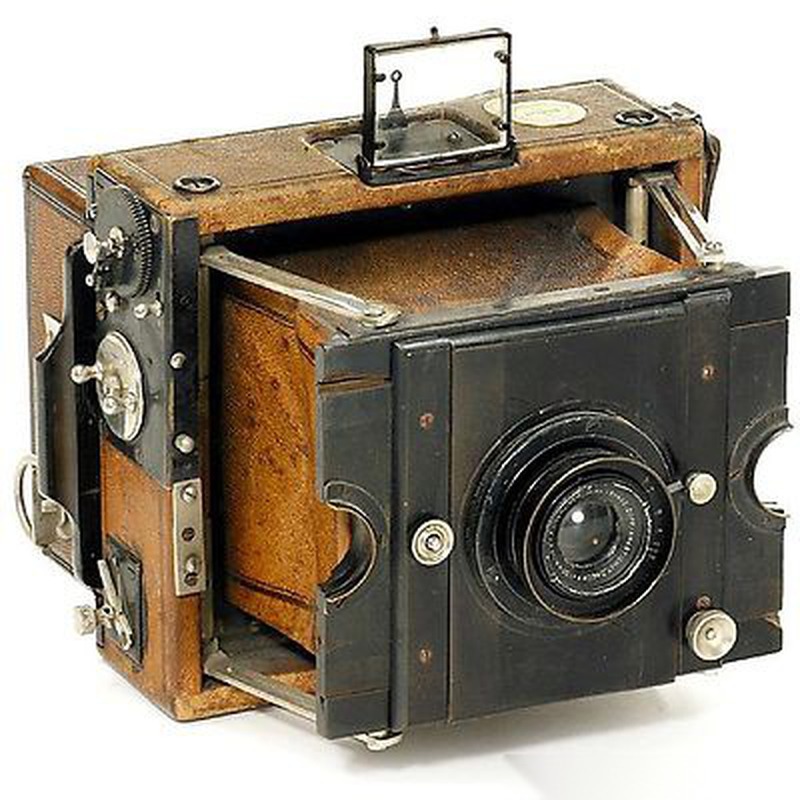
The Ernemann Bob I represents an important early chapter in the history of 35mm photography, emerging before the format became synonymous with miniature cameras like the Leica. Produced by the German firm Ernemann between 1903 and 1926, it stands as one of the earliest commercial cameras to utilize the 135 film cartridge, later standardized for 35mm still photography. Its development coincided with a period of experimentation with smaller formats, driven by the desire for more portable cameras and the increasing availability of fine-grained film emulsions suitable for smaller negatives. The Bob I was designed for the enthusiast market, offering a compact form factor compared to the large plate and roll-film cameras dominant at the time, likely featuring a focal plane shutter and interchangeable lenses to provide flexibility for various subjects. It embodied Ernemann's commitment to advancing photographic technology and accessibility before the company merged into Zeiss Ikon in 1926.
While not achieving the legendary status of cameras that followed, the Bob I holds a significant place as a practical, early adoption of the 35mm format. It served as a bridge between the cumbersome cameras of the early 20th century and the revolutionary miniatures that would soon transform photography. Its long production run, spanning over two decades, indicates a stable design and a niche market for compact high-quality cameras, predating the mass-market success of 35mm by decades. The Bob I demonstrated the viability and potential of the smaller format for serious photography, contributing to the foundation upon which later iconic models like the Leica were built. It represents a critical step in the miniaturization of photographic equipment.
Specifications
| Film Format | 135 |
/main.jpg)
/main.jpg)
/main.jpg)
 Enjoy this museum? Support on Ko-fi