/main.jpg)
Pricing
Ernemann HEAG VI (two shutters)
Ernemann · Germany · 1903–1925 (22 years) · 135 film
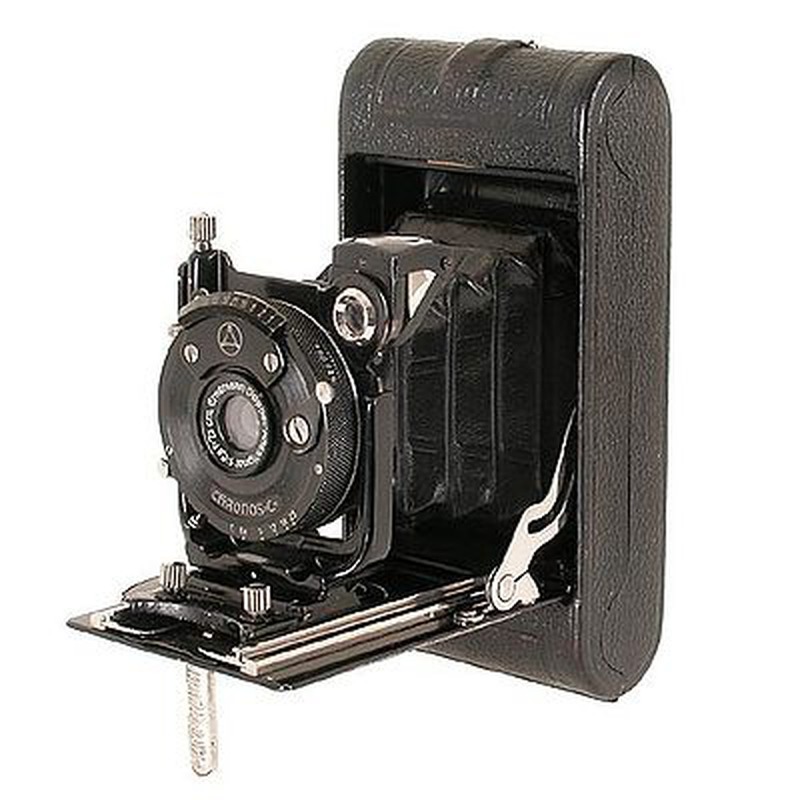
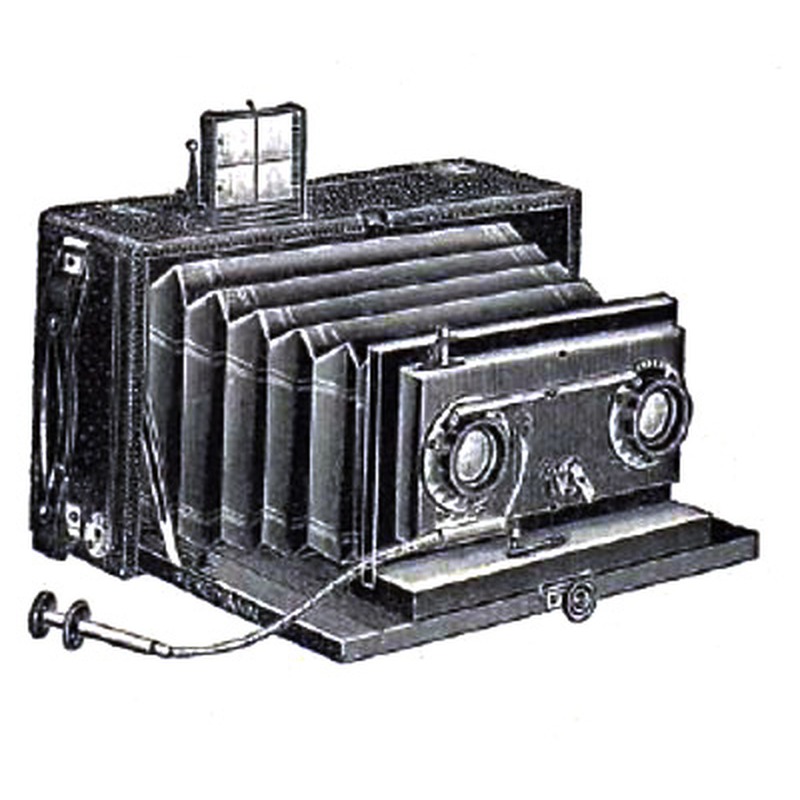
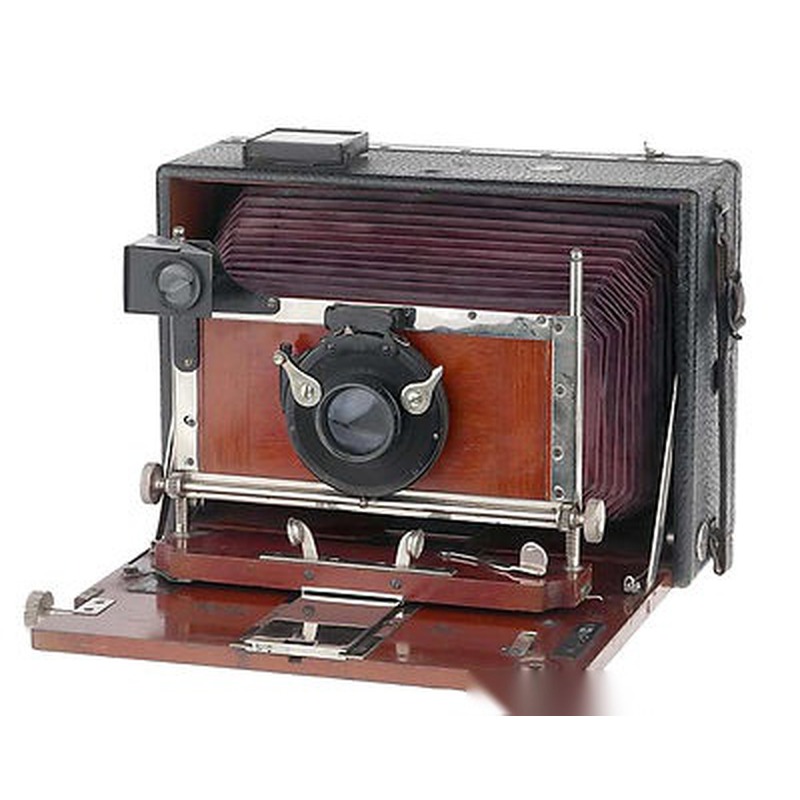
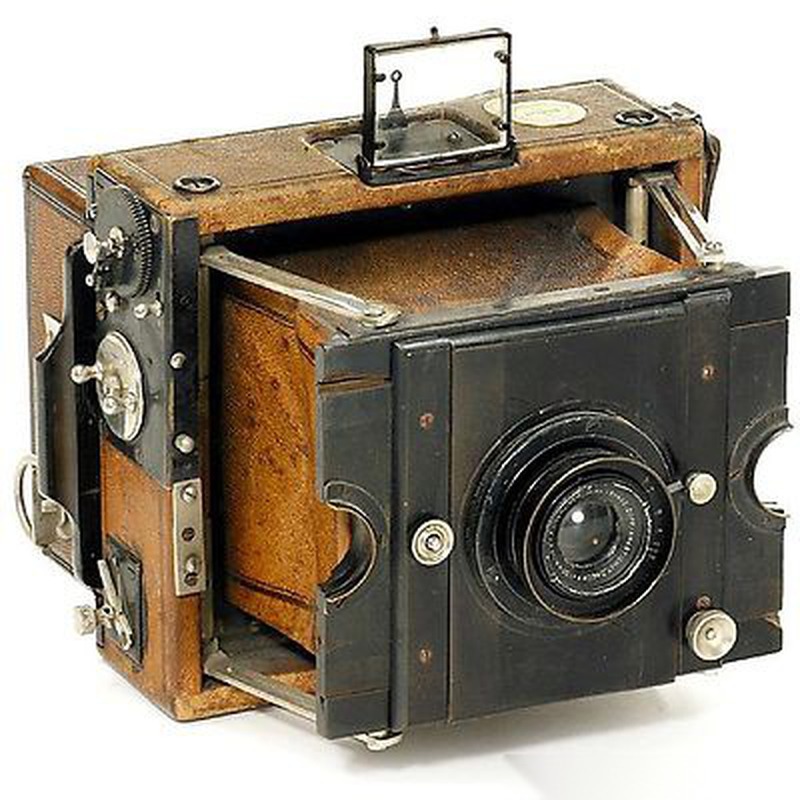
The Ernemann HEAG VI (two shutters) represents an early, significant attempt at creating a practical 35mm camera during a pivotal period in photography's evolution. Manufactured by the esteemed Dresden-based optics firm Ernemann between 1903 and 1925, this camera emerged at a time when small-format photography was largely experimental, preceding the commercial dominance of the Leica I by over two decades. Its most distinguishing feature was its dual-shutter system, likely incorporating both focal-plane and between-the-lens shutters, offering photographers flexibility in exposure control – a sophisticated approach for its era. While the exact model type is undocumented, the HEAG VI was designed to utilize 135 film (then likely manufactured in cut 35mm movie stock cassettes), positioning it as a portable, high-quality alternative to bulky glass plate or roll-film cameras of the period. It contributed to the groundwork that enabled the 35mm format to eventually become the standard for amateur and professional photography, embodying Ernemann's technical ambition before their eventual merger into Zeiss-Ikon.
Surviving examples are relatively uncommon, and the camera's significance lies more in its role as a milestone in the development of miniature cameras than in widespread adoption or iconic design. The HEAG VI demonstrates Ernemann's early commitment to refining small-format technology, addressing the challenges of film handling and exposure mechanics that later pioneers like Leica would famously solve and popularize. It serves as a tangible artifact of the pre-Leica era, illustrating the engineering efforts undertaken to make truly portable high-quality photography feasible before the 1920s boom.
Specifications
| Film Format | 135 |
/main.jpg)
/main.jpg)
 Enjoy this museum? Support on Ko-fi