
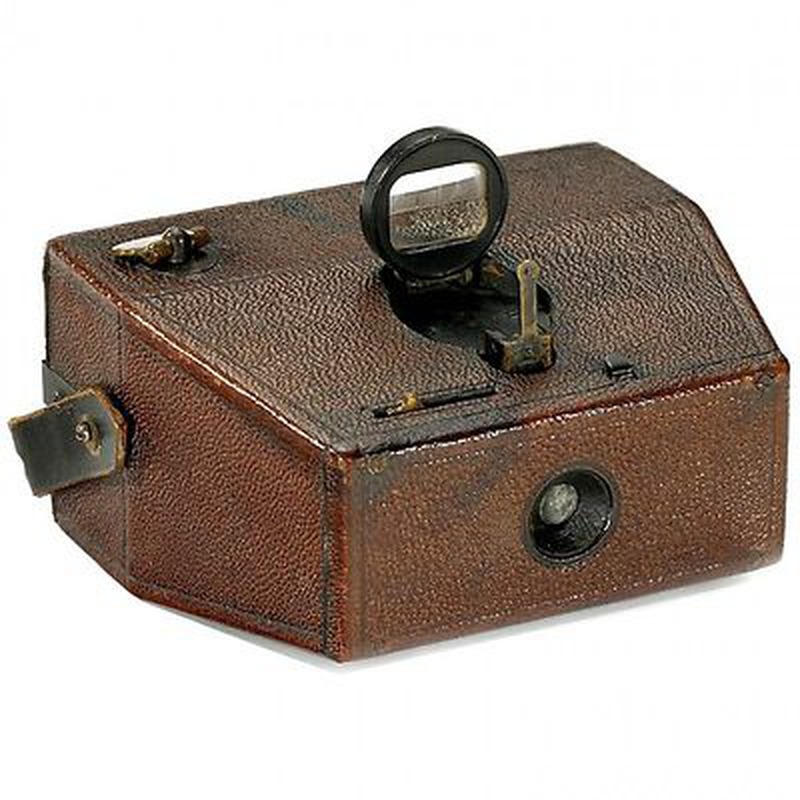
Kodak Falcon No.2
Kodak · USA · 1897–1899 (2 years) · 135 film
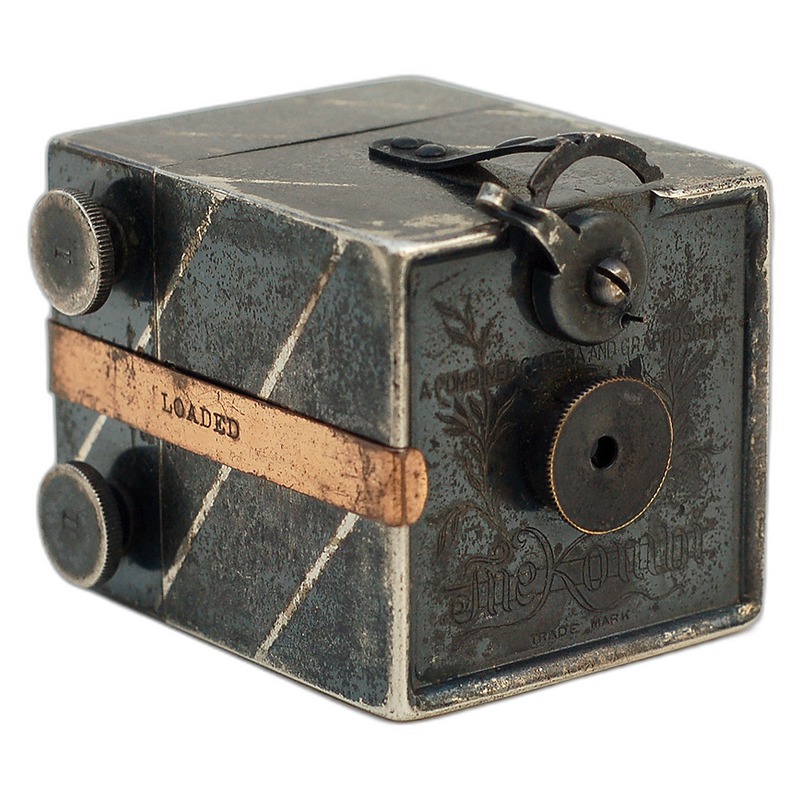
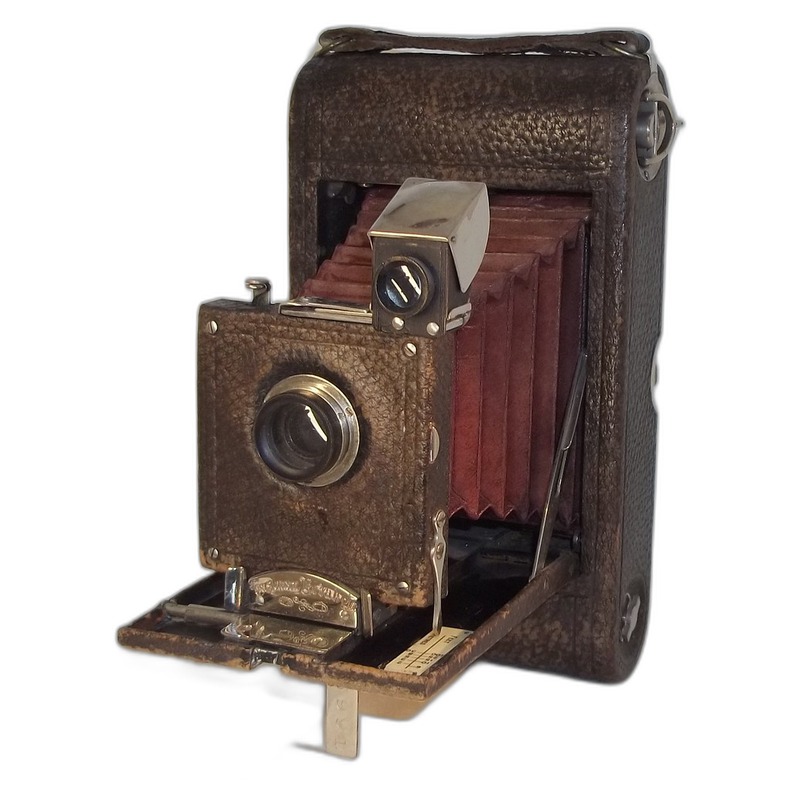
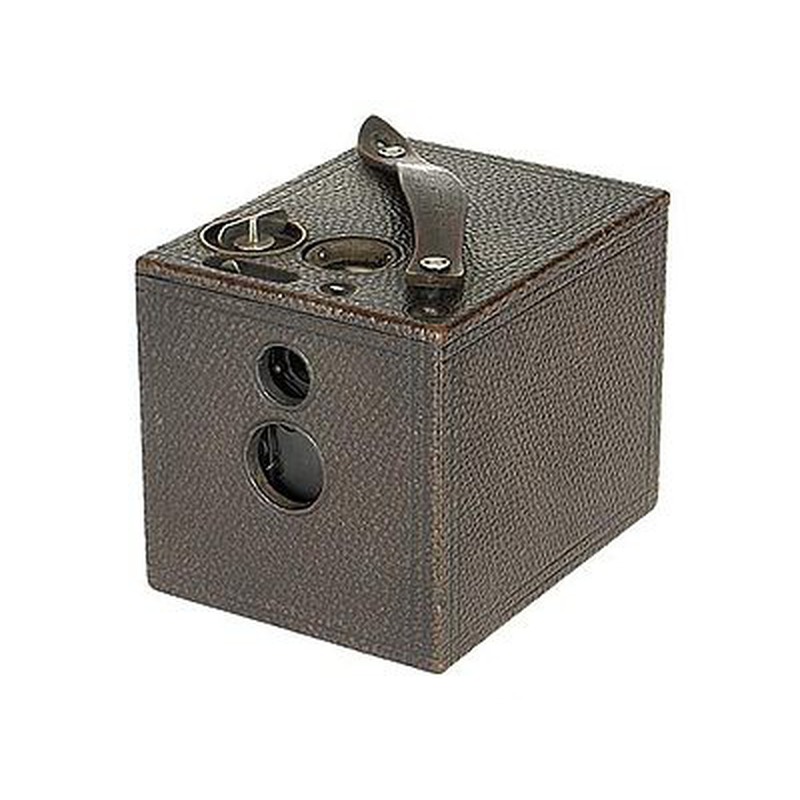
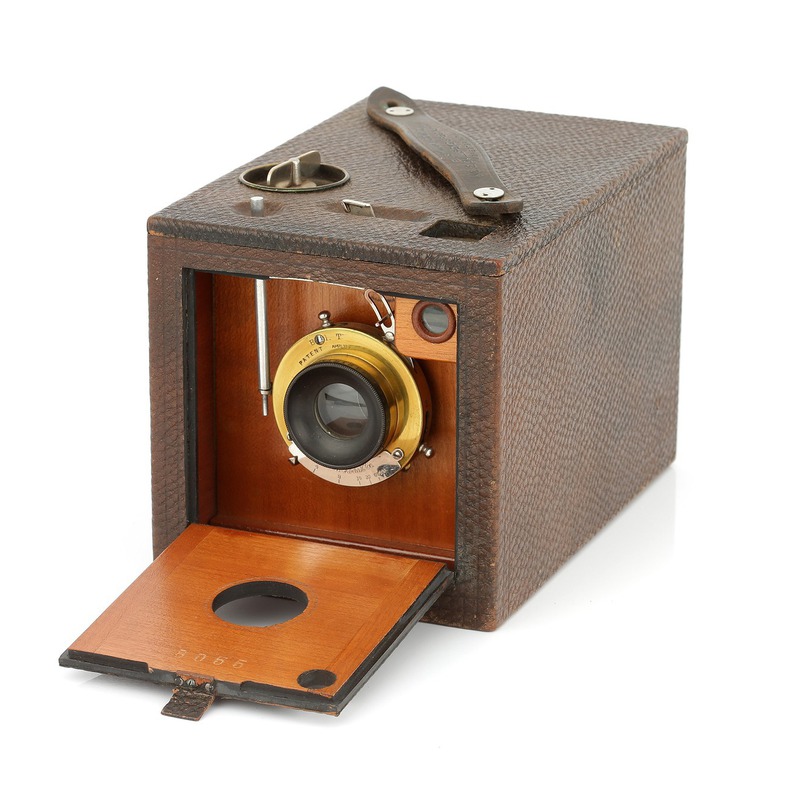
The Kodak Falcon No.2 represents an early attempt by Kodak to popularize the 35mm format during a period when roll film was primarily associated with larger amateur and professional cameras. Produced between 1897 and 1899, this camera emerged from Kodak's ongoing mission to make photography increasingly accessible to the general public, particularly through simplified, user-friendly designs. Its use of the 135 film format, while becoming a standard decades later with the rise of Leica, was a forward-looking choice, anticipating a future demand for smaller, more portable cameras. The Falcon No.2 likely embodied Kodak's characteristic approach: reliable construction for its intended market, focusing on ease of use and affordability rather than sophisticated features or premium materials. It served as a practical snapshot tool for enthusiasts entering the world of photography, filling a niche between Kodak's simpler box cameras and more complex professional equipment.
While innovative in its adoption of the smaller format at this early date, the Falcon No.2 did not achieve the widespread acclaim or transformative impact seen in later iconic 35mm models. Its production window was relatively short, and it did not introduce major technological leaps beyond the format choice itself. Instead, its significance lies as an early Kodak experiment with 35mm roll film, contributing to the gradual development and eventual standardization of this crucial format. It provides a tangible link to Kodak's early 20th-century diversification efforts and the broader evolution of photography towards smaller cameras, though it remains less documented and less influential than Kodak's more established models of the era.
Specifications
| Film Format | 135 |
/main.jpg)
 Enjoy this museum? Support on Ko-fi