/main.jpg)
Pricing
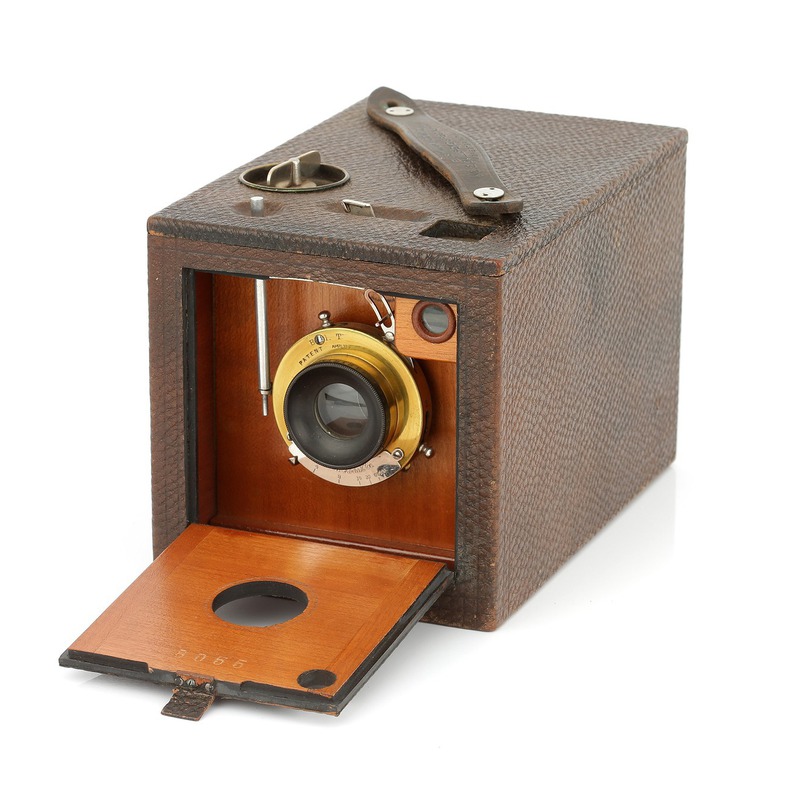
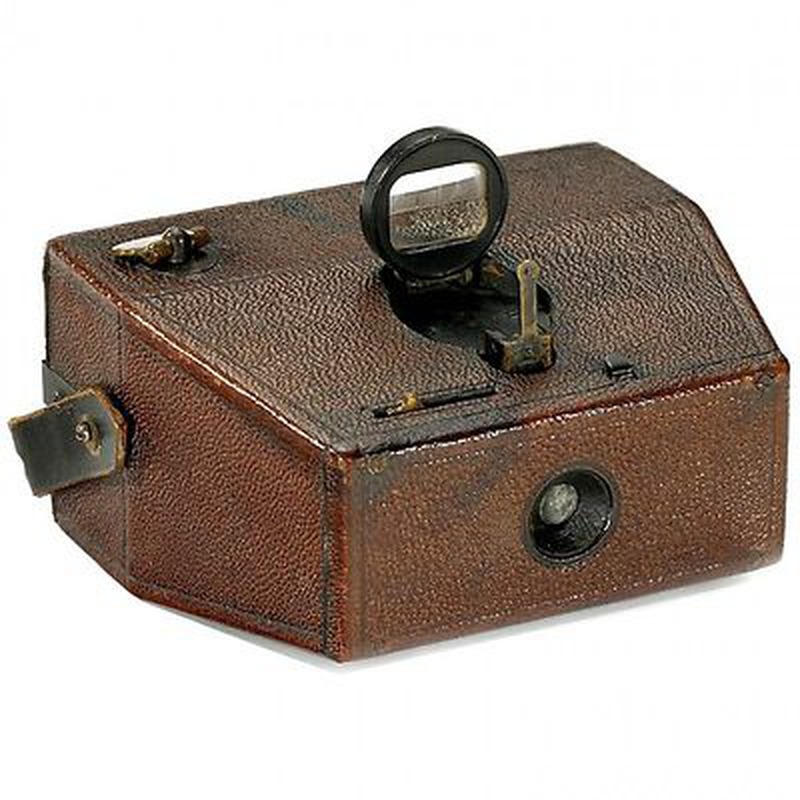
Kodak Cartridge No.4 (1897)
Kodak · USA · 1897–1900 (3 years) · 135 film
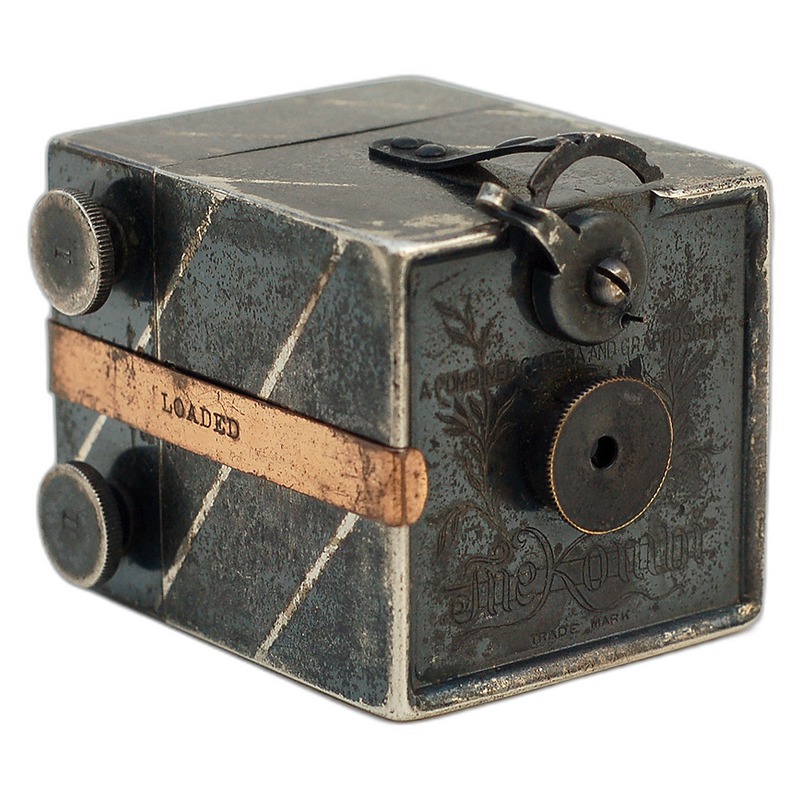
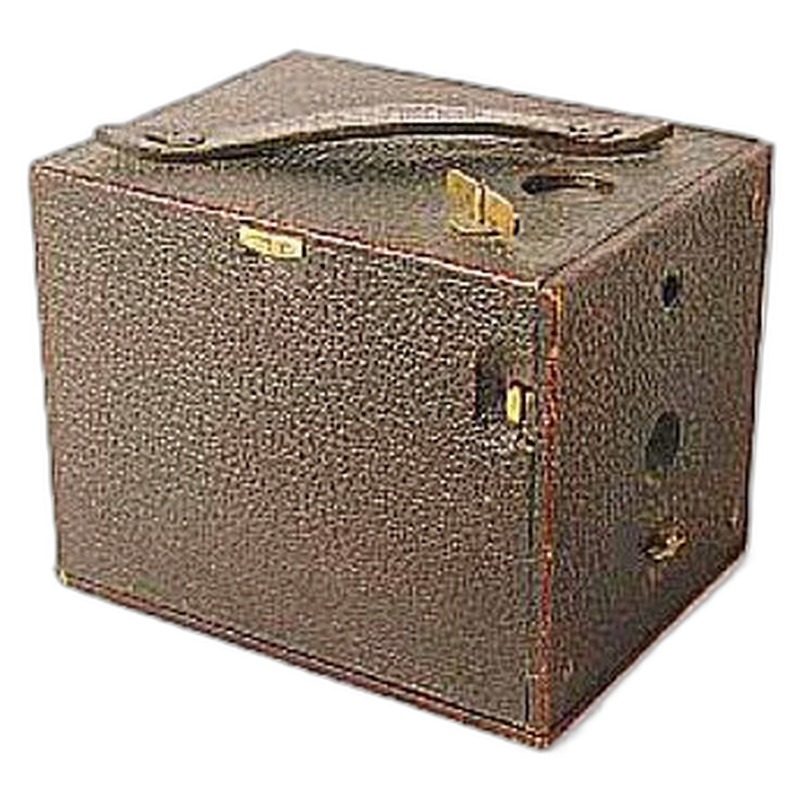
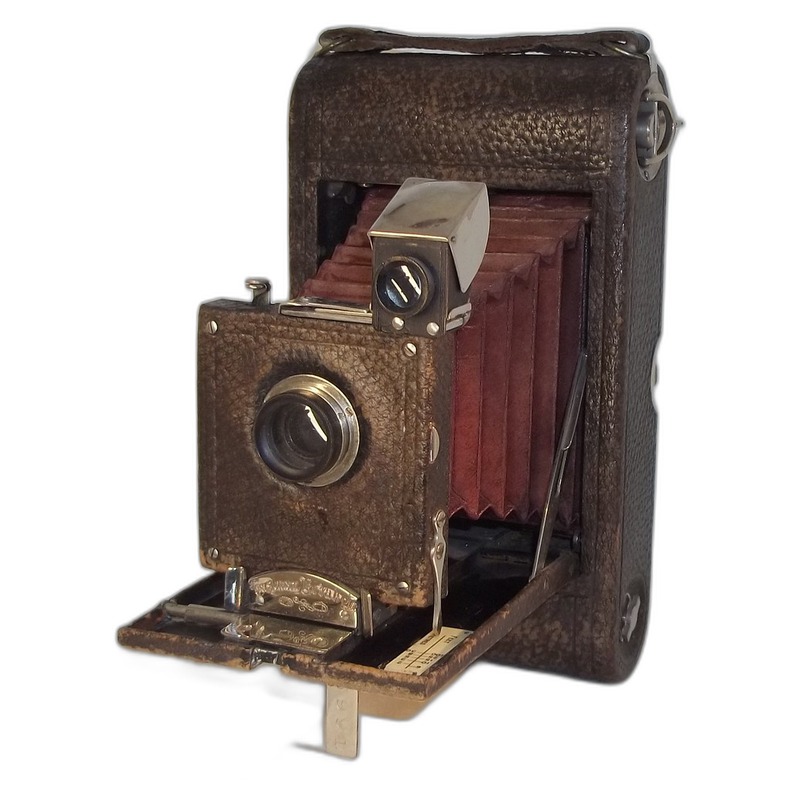
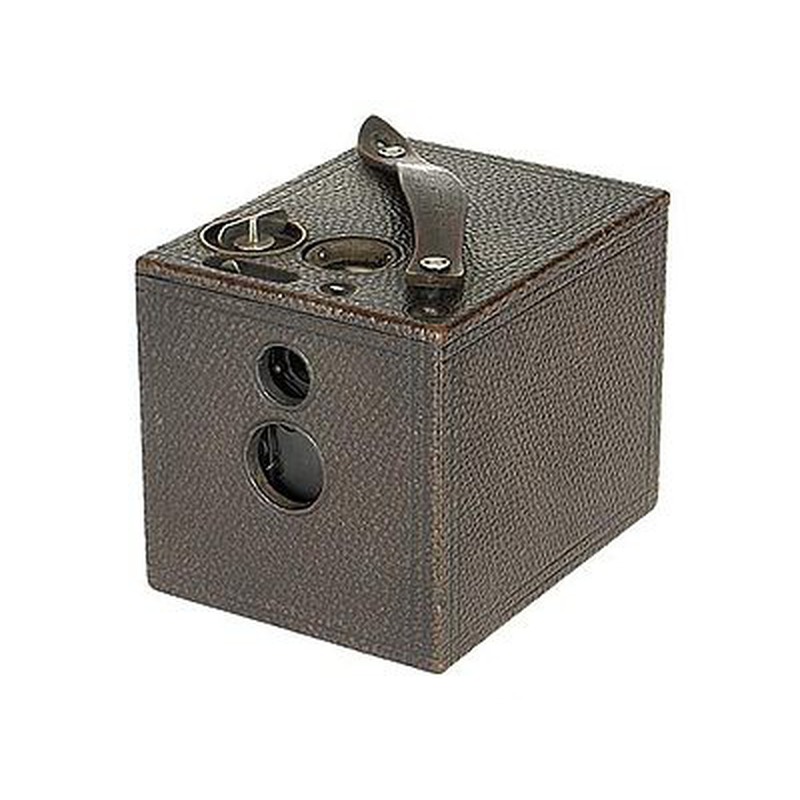
The Cartridge No.4 represents Kodak's experimentation with 35mm film technology in the late 19th century, during a period when the company was rapidly expanding its product line to capture various segments of the emerging amateur photography market. Produced from 1897 to 1900, this camera utilized 35mm film, a format that would later become standard for still photography after being popularized by Leica in the 1920s and 1930s. The Cartridge No.4 was part of Kodak's "Cartridge" series, which featured roll film in pre-loaded cartridges that simplified the process for consumers, aligning with Eastman's philosophy of making photography accessible to everyone.
While not a groundbreaking design like later innovations such as the Leica I, the Cartridge No.4 is historically significant as an early example of 35mm being used for still photography rather than just motion pictures. It likely featured a simple box design typical of consumer cameras of the era, with basic controls for focusing and exposure. The camera's production period coincided with Kodak's dominance of the amateur market, though it ultimately didn't achieve the lasting recognition of some of the company's more famous models. Its legacy lies in contributing to the gradual development of the 35mm format that would eventually revolutionize photography.
Specifications
| Film Format | 135 |
 Enjoy this museum? Support on Ko-fi