/main.jpg)
Pricing
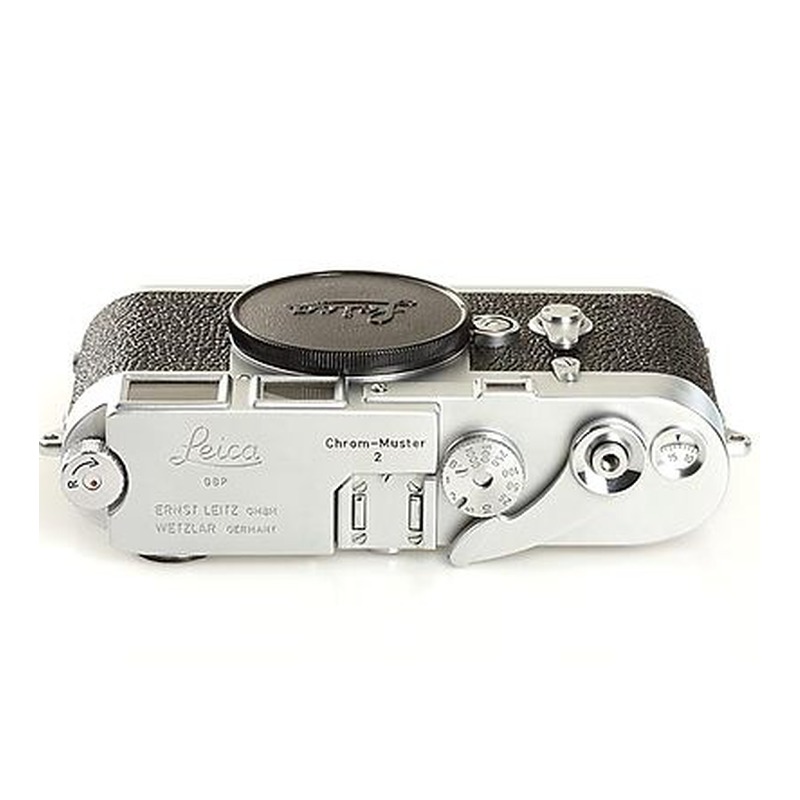
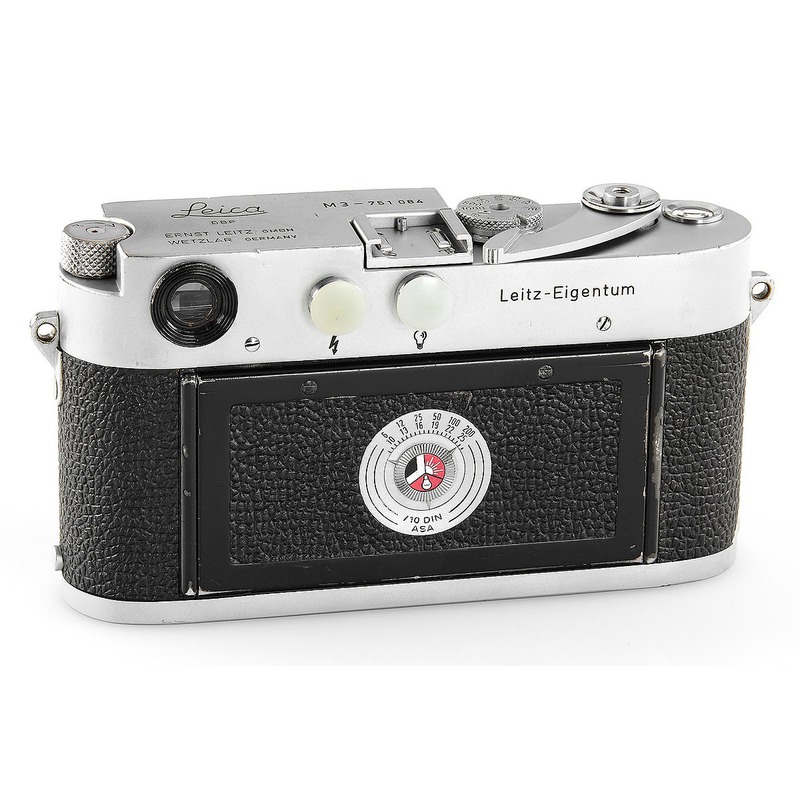
Leica M3 chrome (early, No.1)
Leica · Germany · 1954 · 135 film
The Leica M3 Chrome introduced in 1954 stands as one of the most revolutionary cameras in photographic history, marking a watershed moment for 35mm photography. As Leica's first camera to feature the innovative M-mount lens system, it established a standard that would define professional rangefinder photography for decades to come. The M3 introduced a revolutionary viewfinder system with automatic parallax correction and brightline frames for 50mm, 90mm, and 135mm lenses, providing photographers with unprecedented accuracy and clarity. Its coupled rangefinder, featuring the legendary Leica precision, coupled with its robust construction and ergonomic design, made it the preferred tool for countless photojournalists, documentary photographers, and artists who demanded uncompromising quality and reliability in the field.
The engineering excellence of the M3 Chrome was matched only by its impact on photographic practice. Its compact size belied the sophisticated mechanics within, including a quiet, precise shutter mechanism and a simplified film loading system that made it more user-friendly than its predecessors. Photographers such as Henri Cartier-Bresson, Elliott Erwitt, and Steve McCurry embraced the M3 for its unobtrusive nature and exceptional image quality, allowing them to capture decisive moments with unprecedented technical precision. The M3's influence extended beyond its immediate users, shaping the direction of 35mm photography and establishing design principles that continue to influence camera manufacturing to this day. Its introduction marked the beginning of Leica's M-series dynasty, which remains a benchmark against which other rangefinder cameras are measured.
Specifications
| Film Format | 135 |
/main.jpg)
/main.jpg)
/main.jpg)
/main.jpg)
 Enjoy this museum? Support on Ko-fi