/main.jpg)
Pricing
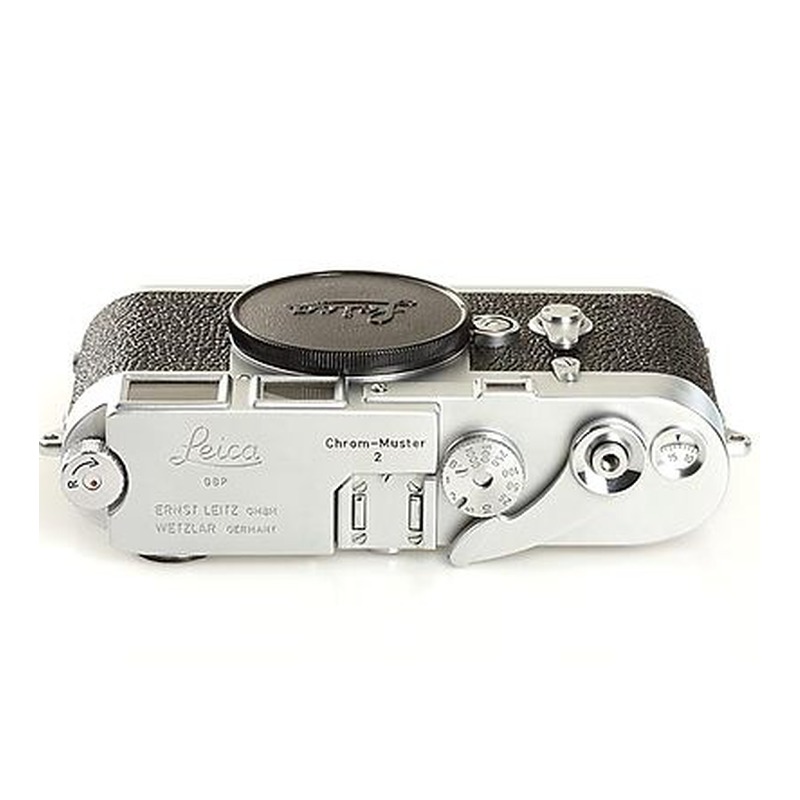
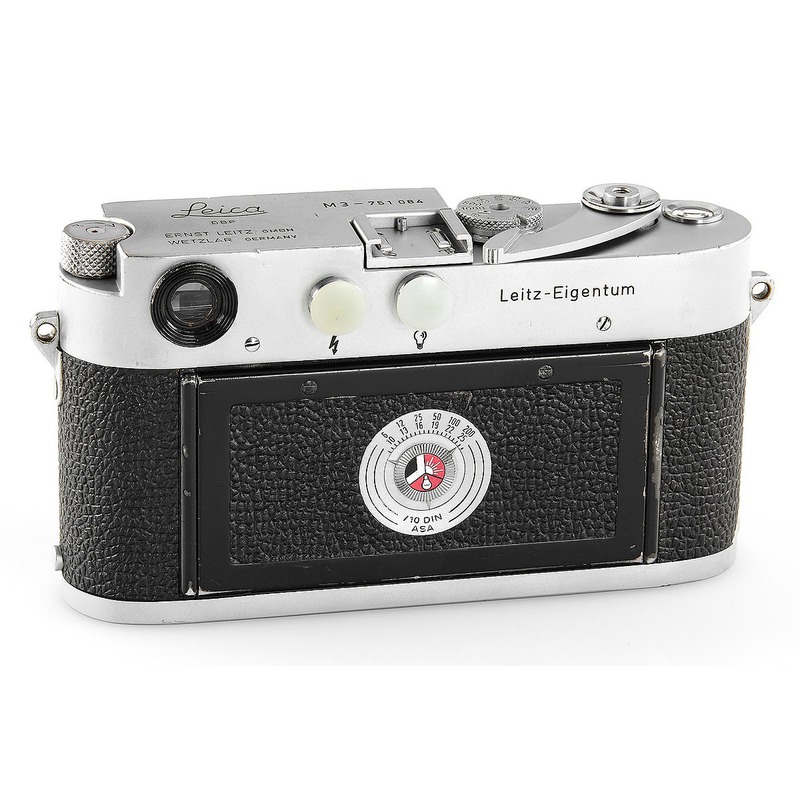
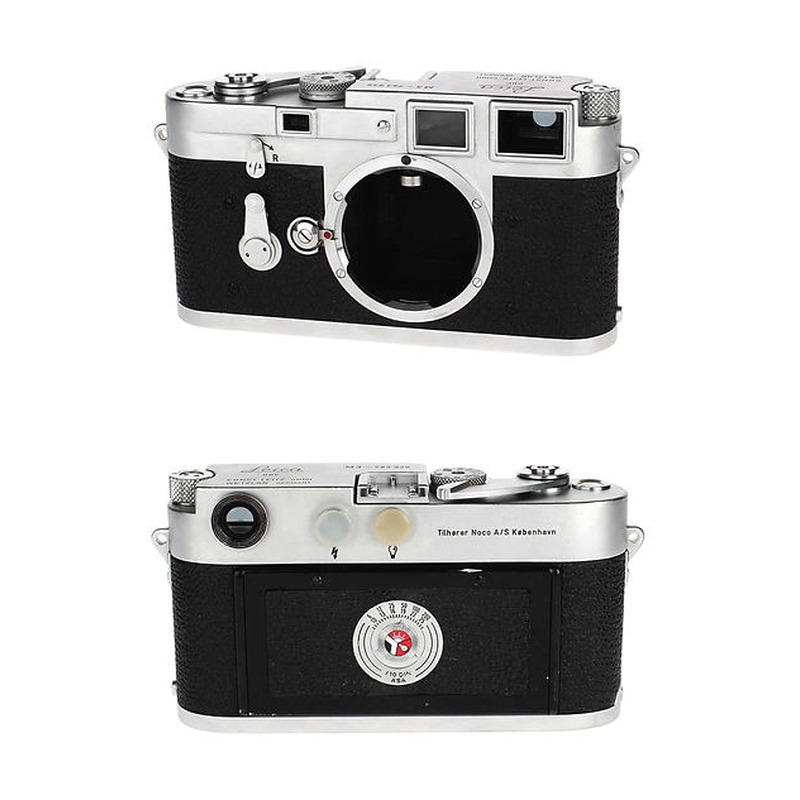
Leica M Prototype (24x24)
Leica · Germany · 1954 · 135 film
The Leica M Prototype (24x24) of 1954 represents a pivotal, albeit experimental, stage in the evolution of Leica's renowned rangefinder system. While the production M3, introduced the following year, became legendary for its revolutionary viewfinder and coupled rangefinder, this prototype demonstrates Leica's rigorous testing phase for the M series. Its most significant deviation from the final M design is its unique 24x24mm image format on standard 135 (35mm) film, effectively creating a near-square image area distinct from the conventional 24x36mm panoramic format. This choice likely explored alternative compositional possibilities or tested market interest in a different aspect ratio. Built as a single known example, the prototype served as a functional testing ground for the M system's core mechanics—particularly the bayonet lens mount and coupled rangefinder mechanism—prior to finalizing the production specifications that defined the M3 and its successors. Its existence underscores Leica's commitment to innovation and meticulous development processes during a critical period for 35mm photography.
As a one-off experimental piece rather than a production model, the M Prototype (24x24) holds exceptional historical value primarily as a tangible artifact of Leica's design evolution. It embodies the transition from the screw-mount Leica III series to the revolutionary M bayonet system. While it lacks the widespread adoption and iconic status of the M3, its unique 24x24 format and status as the direct predecessor to one of photography's most influential camera lines make it a significant, albeit highly specialized, subject of study. Its rarity and direct link to the birth of the Leica M system ensure its place in photographic history as a key developmental milestone, even if its experimental format prevented mainstream adoption.
Specifications
| Film Format | 135 |
/main.jpg)
/main.jpg)
/main.jpg)
 Enjoy this museum? Support on Ko-fi