/main.jpg)
Pricing
Leica 72 (Wetzlar)
Leica · Germany · 1954–1957 (3 years) · 135 film
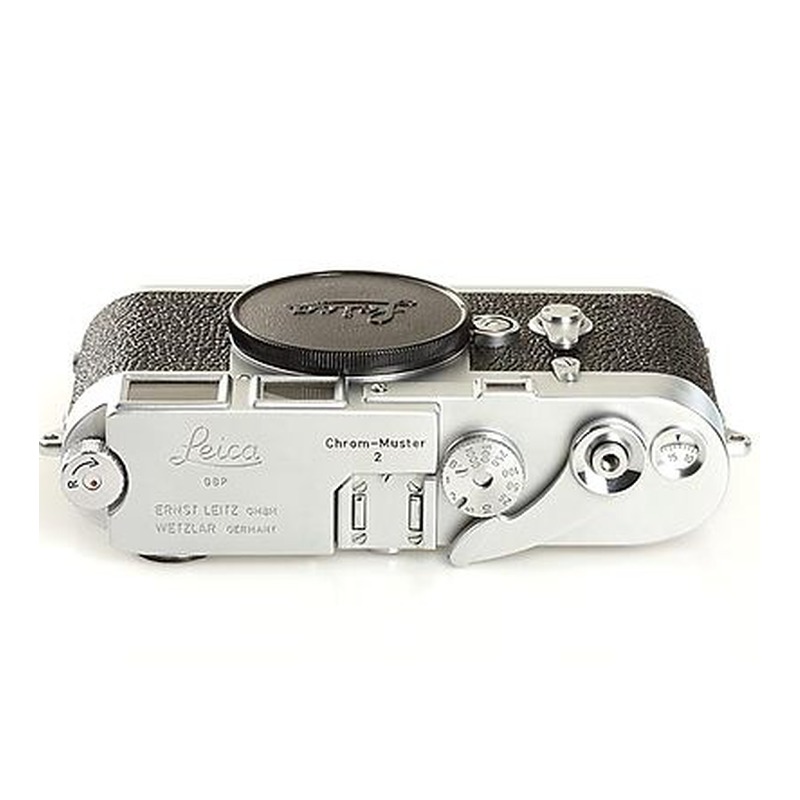
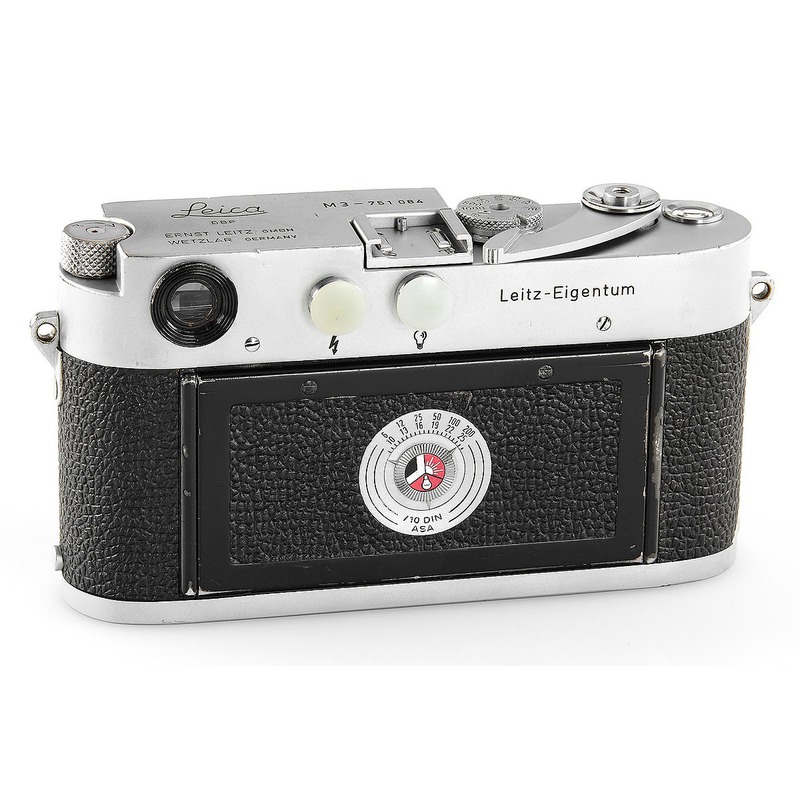
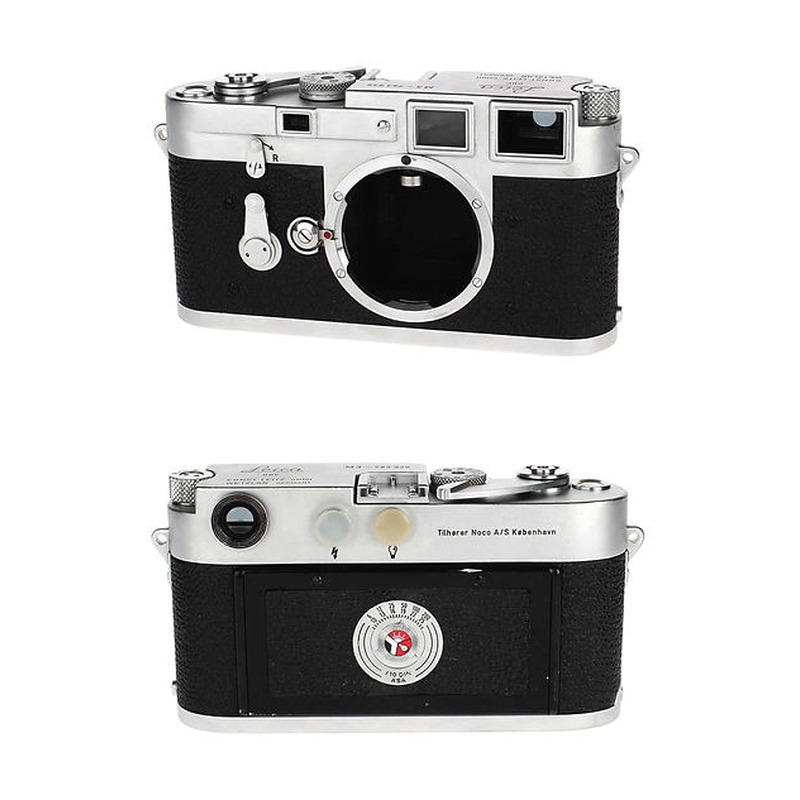
The Leica 72 (Wetzlar), produced from 1954 to 1957, is a 35mm camera bearing the Leica name and the distinctive "Wetzlar" engraving, signifying its origin at Leitz's historic headquarters. As a mid-20th century Leica model, it likely represents a continuation or refinement of the company's established rangefinder camera designs popular among professionals and serious amateurs. Functionally, it would incorporate core Leica features: a robust brass and leather body, coupled rangefinder and viewfinder for accurate focusing, and an interchangeable lens system, catering to the demands of high-quality 35mm photography during the post-war era. Its production period places it alongside the transition between the Leica III series and the emerging M system, suggesting it occupied a solid, practical position within Leica's lineup for discerning photographers requiring reliability and excellent optics.
Lacking specific information about distinct innovations or unique features compared to its contemporaries, the Leica 72 (Wetzlar) is best understood as a representative example of Leica's mid-century engineering ethos – prioritizing precision mechanical construction, exceptional viewfinders, and the use of high-quality materials to support superior image capture with Leica lenses. Its significance lies in its role as part of Leica's storied production history during a transformative period for 35mm photography, embodying the brand's reputation for craftsmanship even if it didn't achieve the legendary status of later models like the M3. The camera served reliably for users needing a compact, professional-grade 35mm system.
Specifications
| Film Format | 135 |
/main.jpg)
/main.jpg)
/main.jpg)
 Enjoy this museum? Support on Ko-fi