/main.jpg)
Pricing
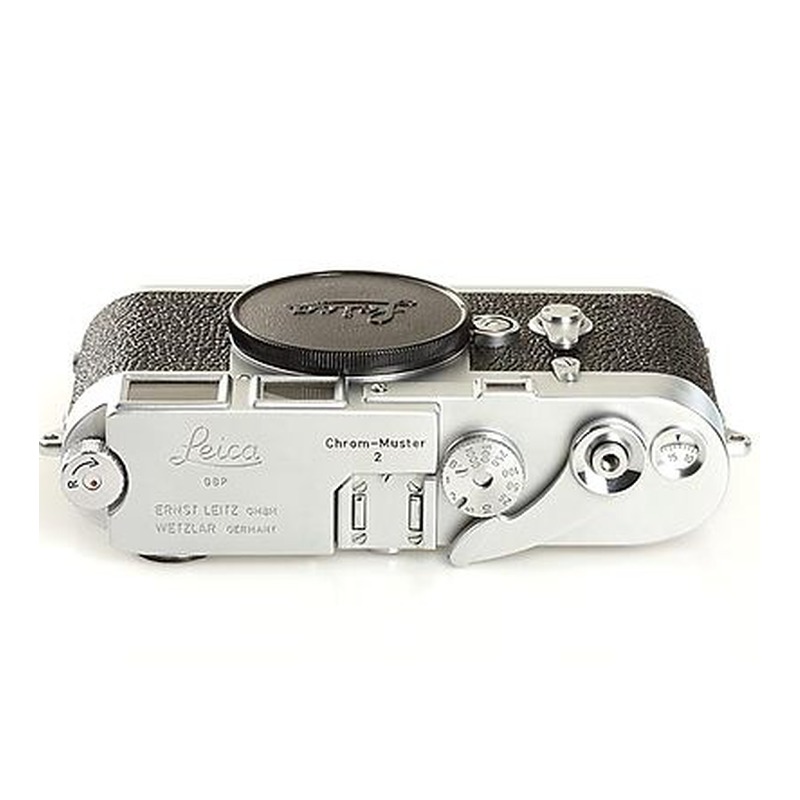
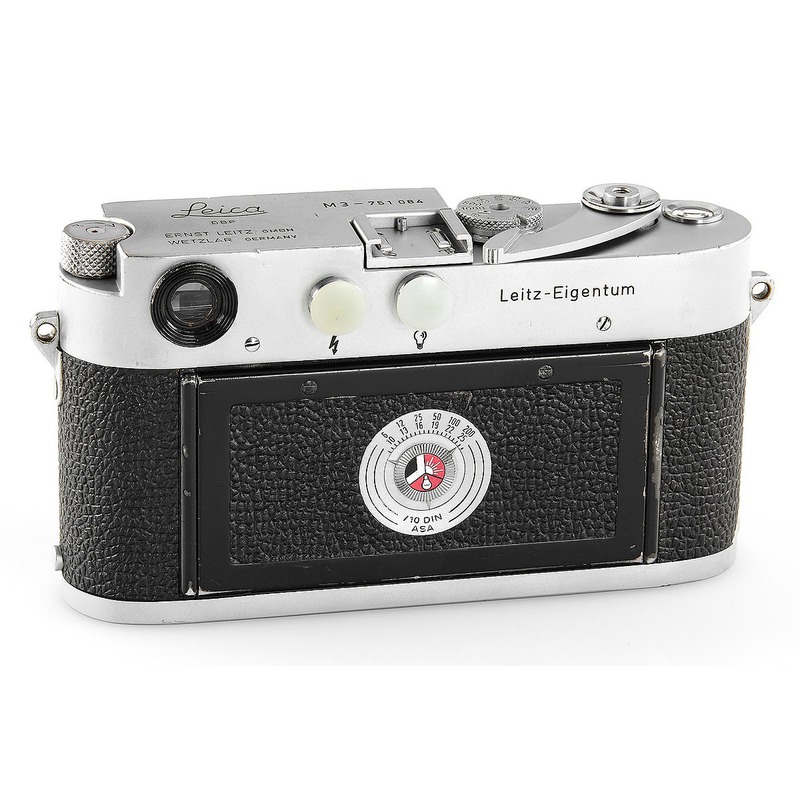
Leica M3 chrome (early, double corner)
Leica · Germany · 1954 · 135 film
The Leica M3 chrome, produced in 1954 in its early configuration featuring double-corner frame lines in the viewfinder, stands as one of the most significant milestones in the history of 35mm photography. As Leica's first new camera body specifically designed for their new M (Leica Messsucher) lens mount system, the M3 marked a decisive break from the legacy screw-mount thread-mount Leicas that dominated the market for decades. Its introduction ushered in the modern era of Leica rangefinder cameras and established the iconic M-mount standard that continues to this day. The M3 was revolutionary not just for its new mount, but for its integrated viewfinder and rangefinder system, which projected bright, clear frame lines automatically for 50mm, 90mm, and 135mm lenses onto a brilliantly illuminated, parallax-compensated viewfinder/rangefinder patch. This eliminated the need for external viewfinders and parallax compensation devices, offering unparalleled speed and accuracy for the photographer, setting a benchmark that competitors would struggle to match for years.
Beyond its groundbreaking viewfinder system, the M3 embodied the pinnacle of precision mechanical engineering and build quality characteristic of Leica. Constructed from high-strength die-cast brass and finished in durable chrome plating, the M3 feels exceptionally solid and well-balanced in the hand. The shutter mechanism, based on the reliable Leica cloth shutter but refined for the M series, offered speeds from 1 second to 1/1000th second. Its quiet operation and precise movements made it a favorite among photojournalists, documentary photographers, and artists who demanded reliability and discretion in demanding environments. Famous users including Henri Cartier-Bresson, who famously transitioned to the M3, and countless other Magnum photographers leveraged the M3's combination of discreet size, exceptional optics via the new M lenses, and the freedom from parallax error to capture decisive moments with unprecedented clarity and composition. The M3's influence extended beyond its direct successors; its core design philosophy of integrated viewfinder/rangefinder and high-quality M mount fundamentally shaped the development of the entire Leica M system and competitors like the Contax IIa and subsequent Canon RF models.
Specifications
| Film Format | 135 |
/main.jpg)
/main.jpg)
/main.jpg)
/main.jpg)
 Enjoy this museum? Support on Ko-fi