_chrome/main.jpg)
Pricing
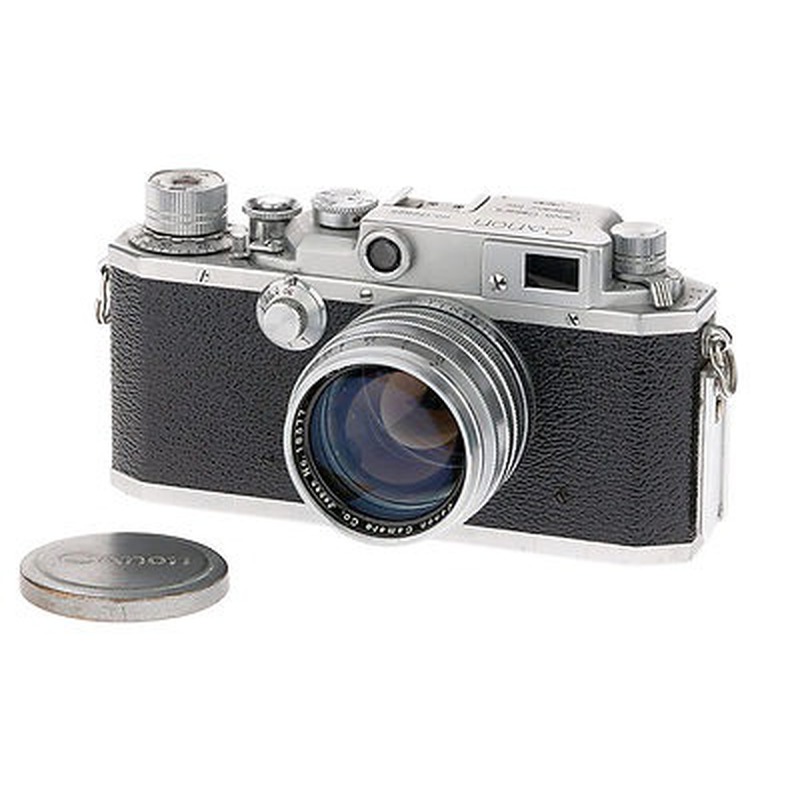
Canon L2 (LII) chrome
Canon · Japan · 1956–1957 (1 years) · 135 film
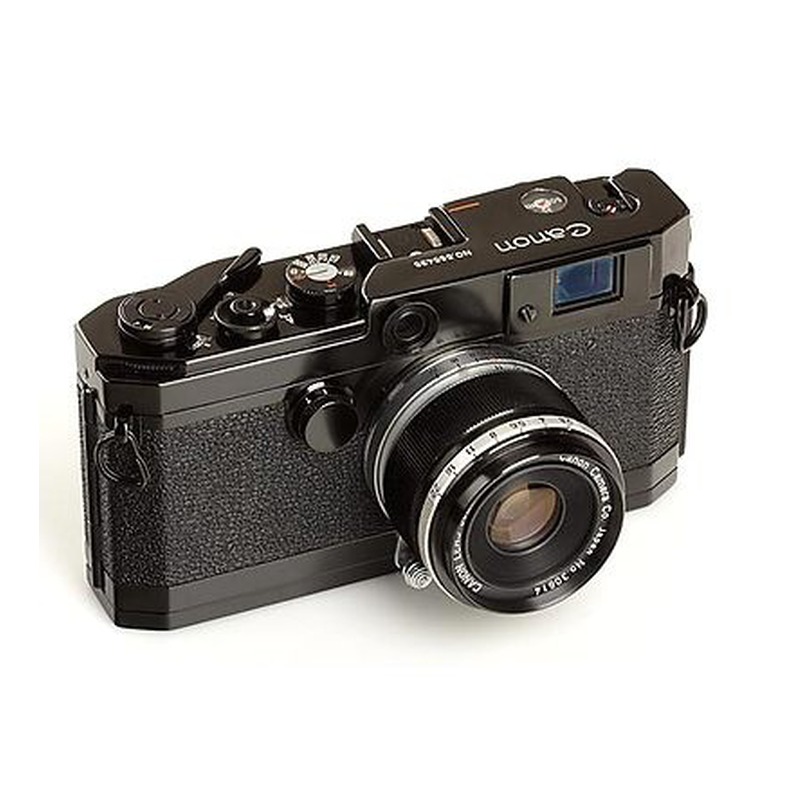
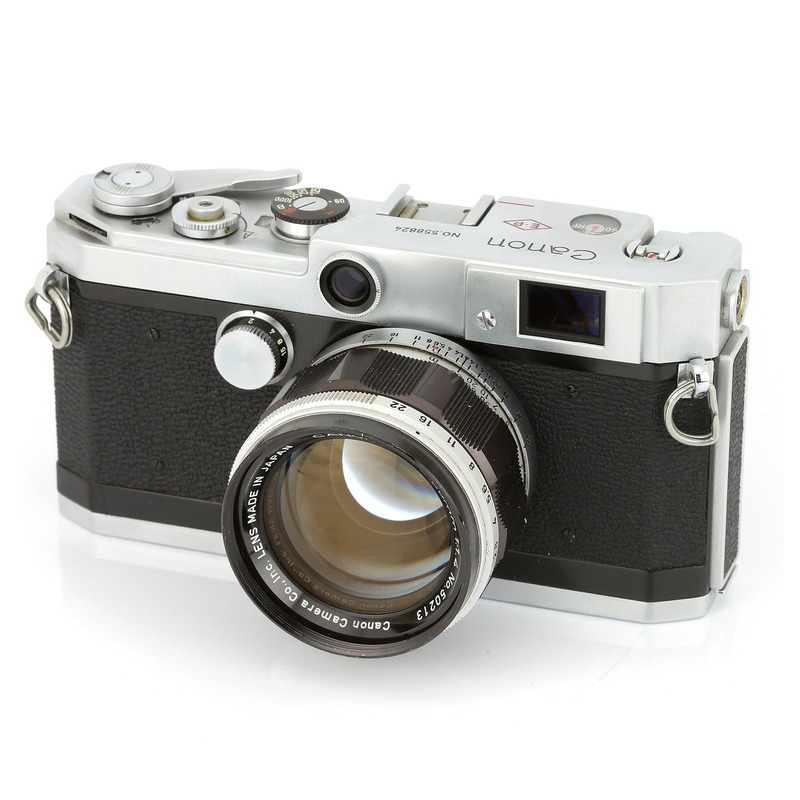
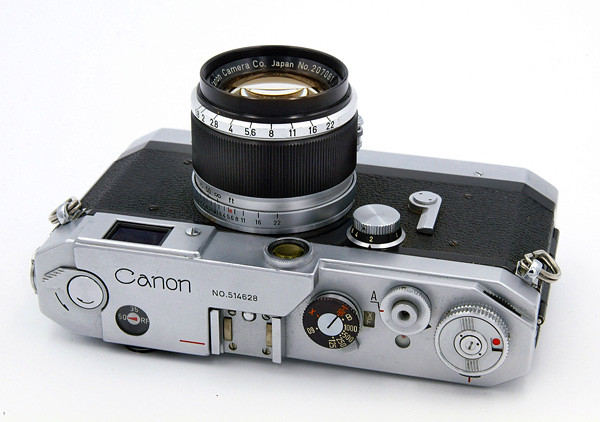
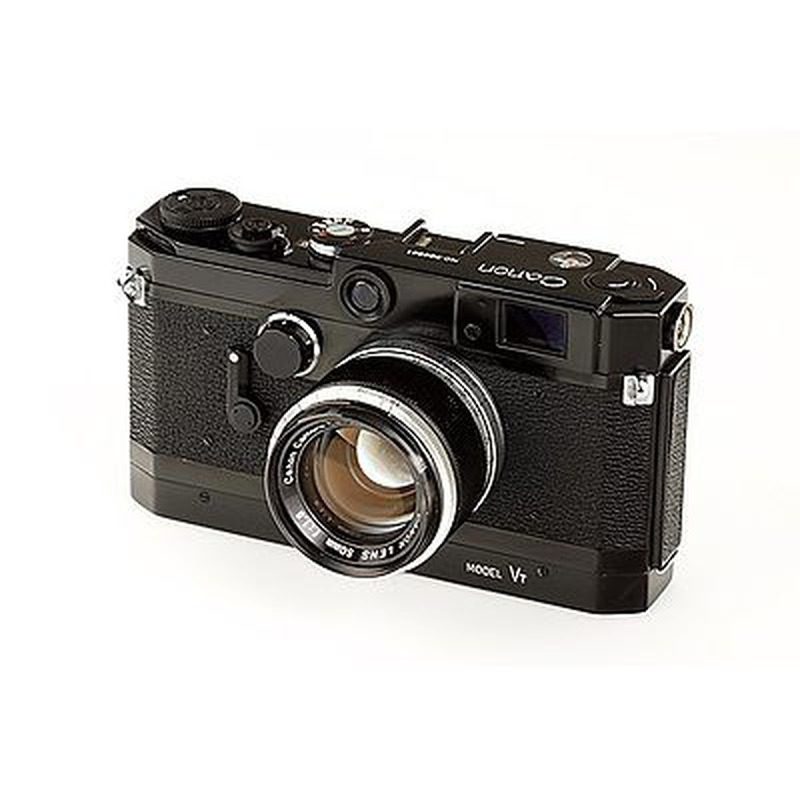
The Canon L2 (LII) chrome represents Canon's solidification of its position in the competitive 35mm camera market during the mid-1950s. A refined rangefinder camera, it built upon the foundation laid by Canon's earlier models like the Canon IIb and IVSB2, offering improved features and reliability to discerning amateur and professional photographers. Sharing its basic design and lens mount with its predecessor, the Canon IVS2, the L2 introduced refinements such as a coupled rangefinder offering brighter magnification and a self-timer, enhancing usability. Encased in a durable chrome-plated brass body with leatherette grips, it embodied the sturdy, functional aesthetic characteristic of Canon's post-war cameras, utilizing the reliable Canon Serenar lens range, including the prominent 50mm f/1.8.
As part of Canon's transition from copying designs to establishing its own identity, the L2 was a significant workhorse for the Japanese manufacturer. It offered a robust, well-built platform for 135 film at a competitive price point, making high-quality photography more accessible outside the traditional European dominance. While it lacked the groundbreaking innovation of some contemporaries, its dependable operation and consistent quality cemented Canon's reputation for manufacturing capable cameras. The L2 and its variants were popular choices for photographers seeking a reliable alternative to European brands, contributing significantly to Canon's global market penetration during a pivotal era. Its production run from 1956 to 1957 was relatively short, marking a distinct phase before the rise of the Canonet series and single-lens reflex models.
Specifications
| Film Format | 135 |
_black/main.jpg)
 Enjoy this museum? Support on Ko-fi