Pricing
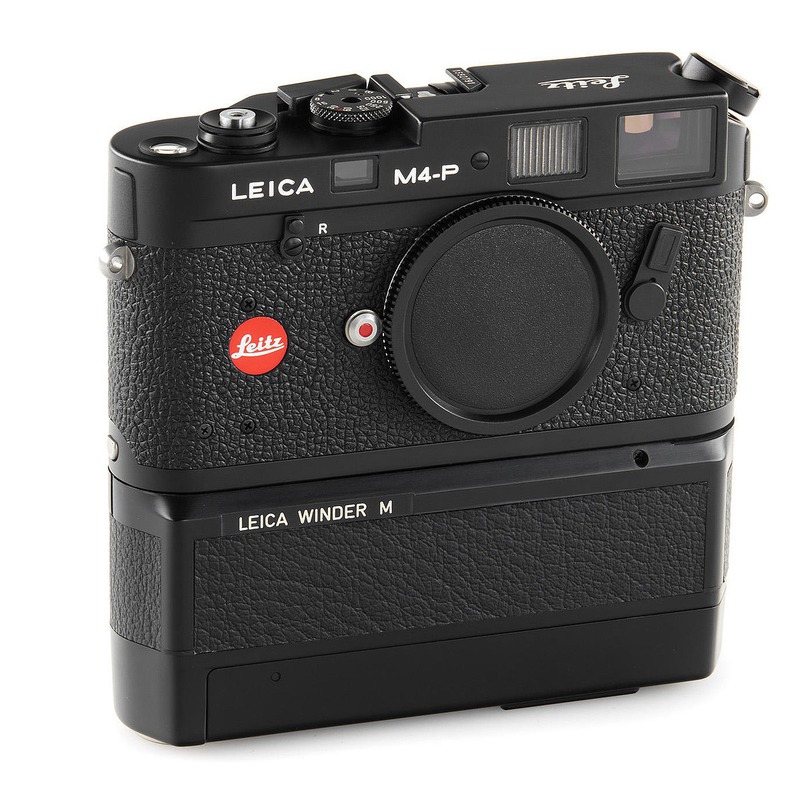
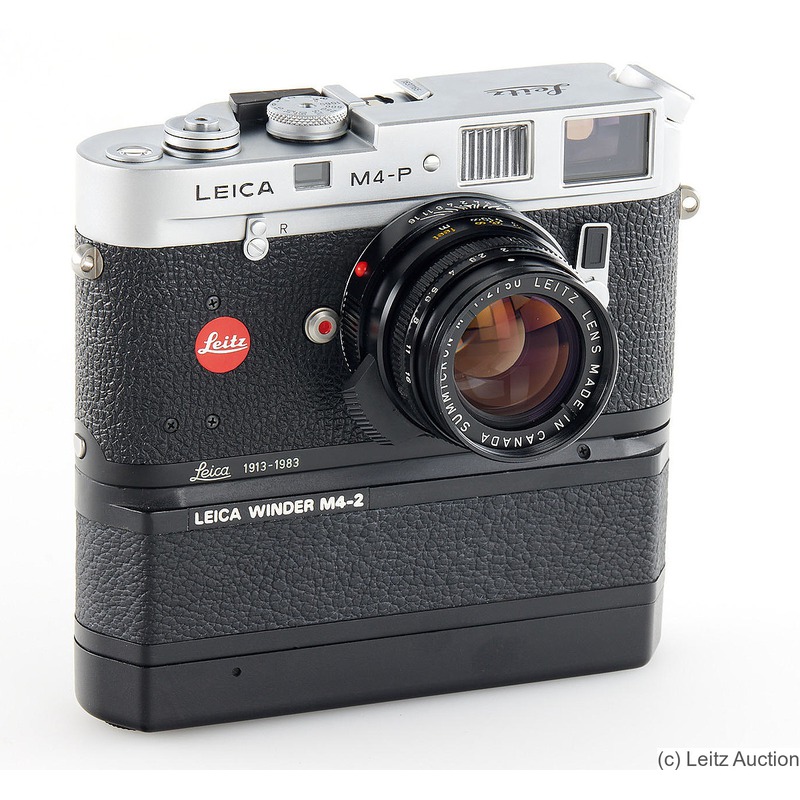
Leica M4-P black Winder M
Leica · Germany · 1981–1987 (6 years) · 135 film
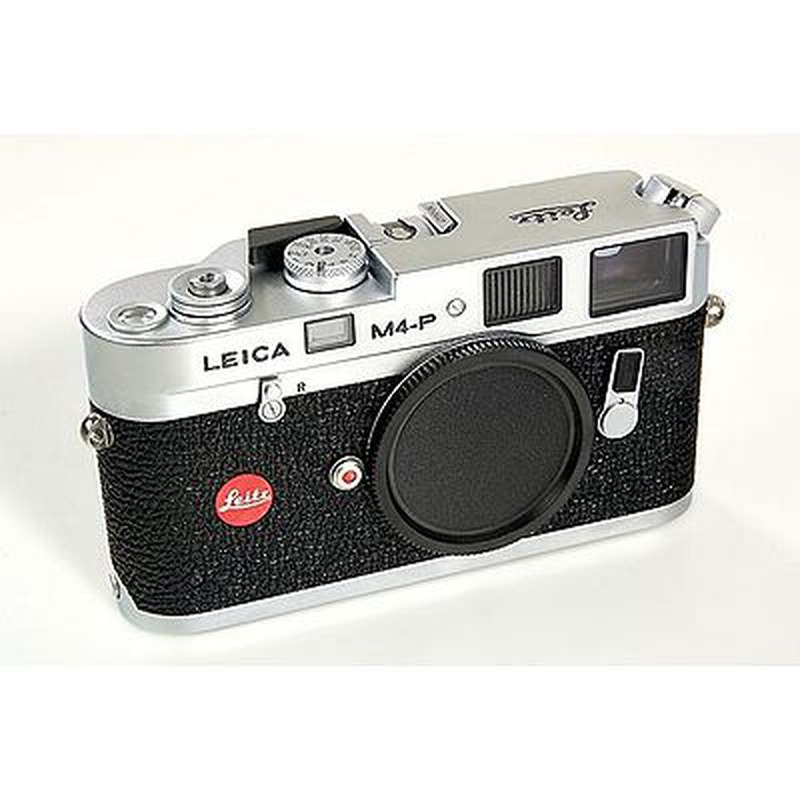
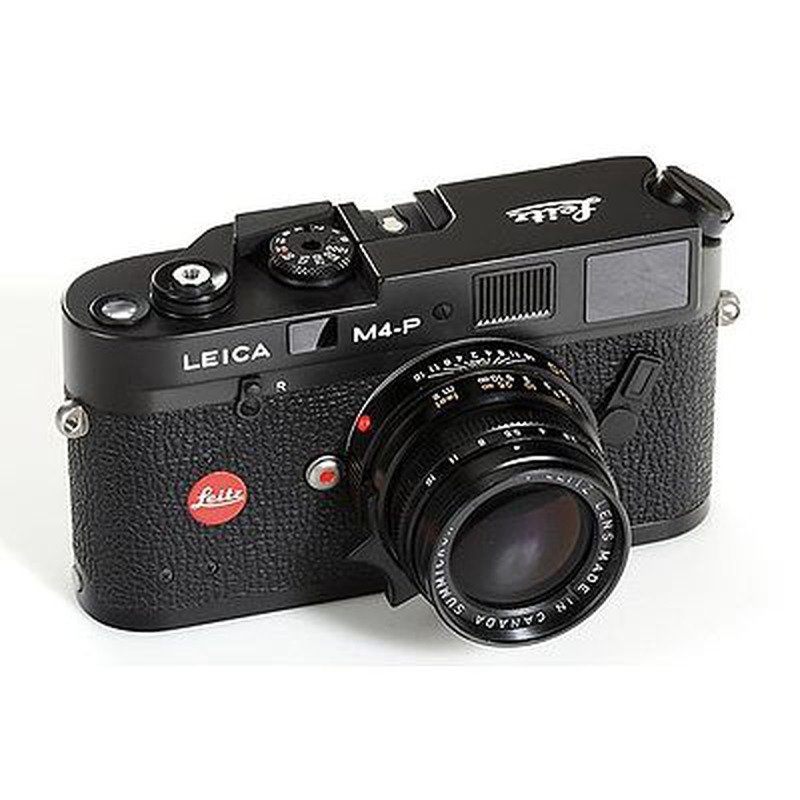
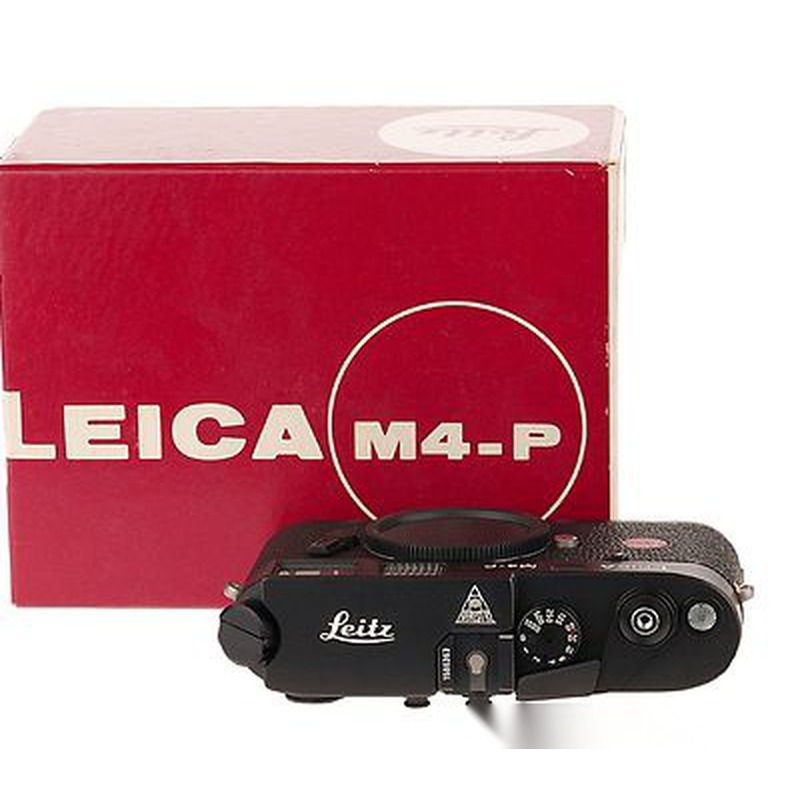
The Leica M4-P, produced with the Winder M accessory from 1981 to 1987, represents a significant refinement rather than a radical evolution in Leica's rangefinder line. It was developed as a direct successor to the M4, addressing key user feedback by introducing a brighter viewfinder frame selection system, eliminating the need for parallax compensation levers for 35mm and 135mm lenses. This simplification made camera operation faster and more intuitive. The Winder M, a dedicated motor drive unit, facilitated motorized film advance at approximately 2 frames per second, significantly improving the camera's responsiveness for candid photography and action shooting while maintaining the quiet shutter Leica users prized. The M4-P retained the M4's robust build quality, all-metal construction, and reliable mechanical core, embodying Leica's commitment to precision engineering and durability for professional and serious amateur photographers. It found favor among photojournalists and documentary shooters, including notable war photographer James Nachtwey, for its unobtrusive nature, excellent ergonomics, and the superb image quality of the Leica M lenses, making it a trusted tool in demanding environments.
As a workhorse rangefinder, the M4-P solidified Leica's presence in the 35mm market during the 1980s. It offered a modernized, user-friendly experience within the iconic Leica M system, bridging the gap between the classic M4 and the later M6. Its production run of several years and adoption by discerning professionals cemented its reputation for reliability and performance. While it didn't introduce groundbreaking technological leaps like earlier models, its thoughtful enhancements and seamless integration with the Winder M enhanced the practicality of the M system for handheld photography. It remains a highly regarded example of Leica's mid-20th-century craftsmanship and design philosophy.
Specifications
| Film Format | 135 |
_(1980)/main.jpg)
 Enjoy this museum? Support on Ko-fi