Pricing
Leica IIIf Stemar
Leica · Germany · 1950–1956 (6 years) · 135 film
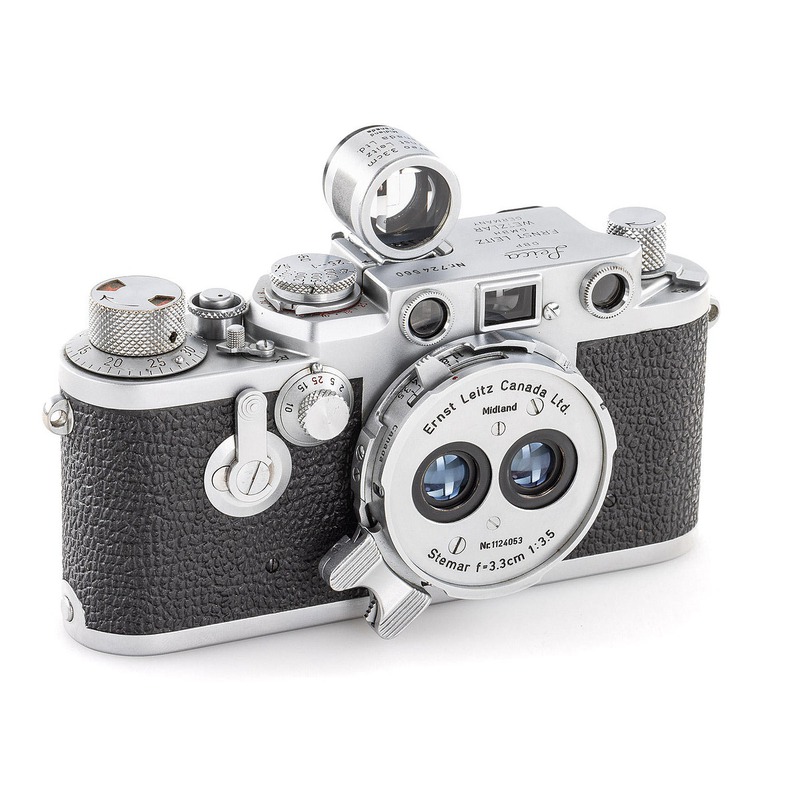
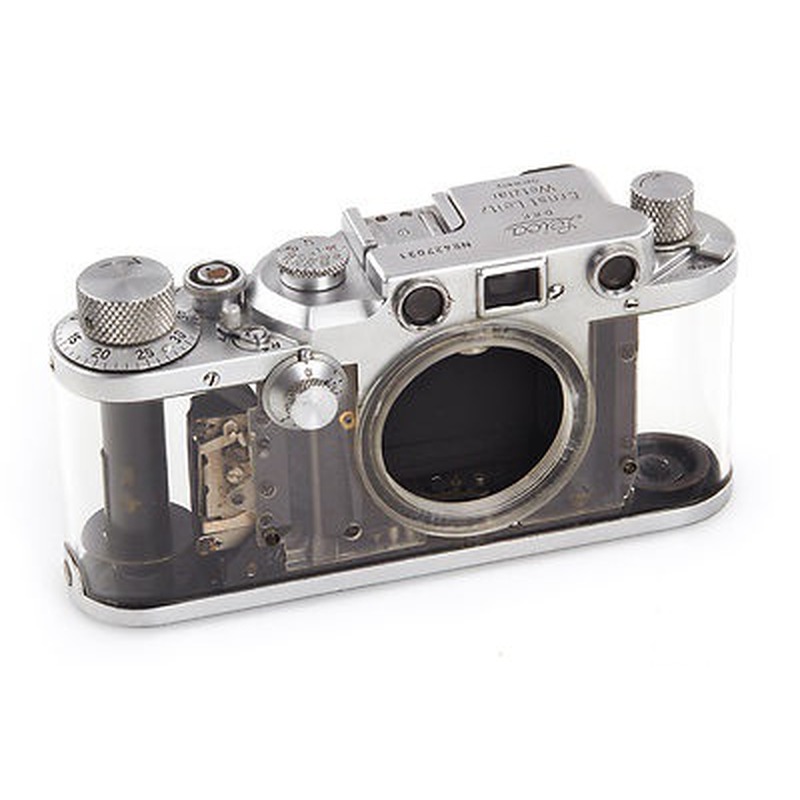
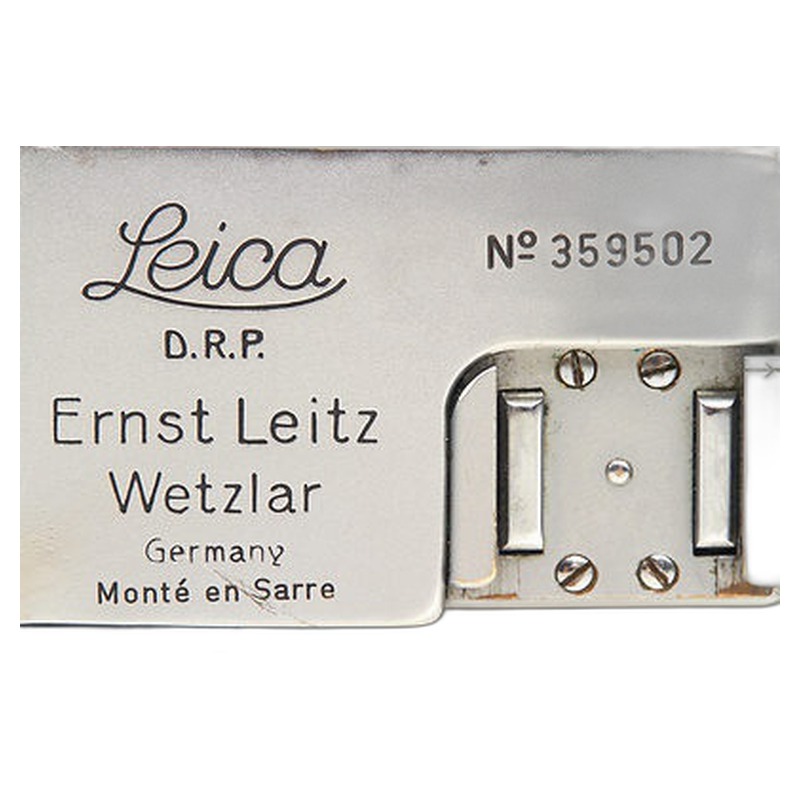
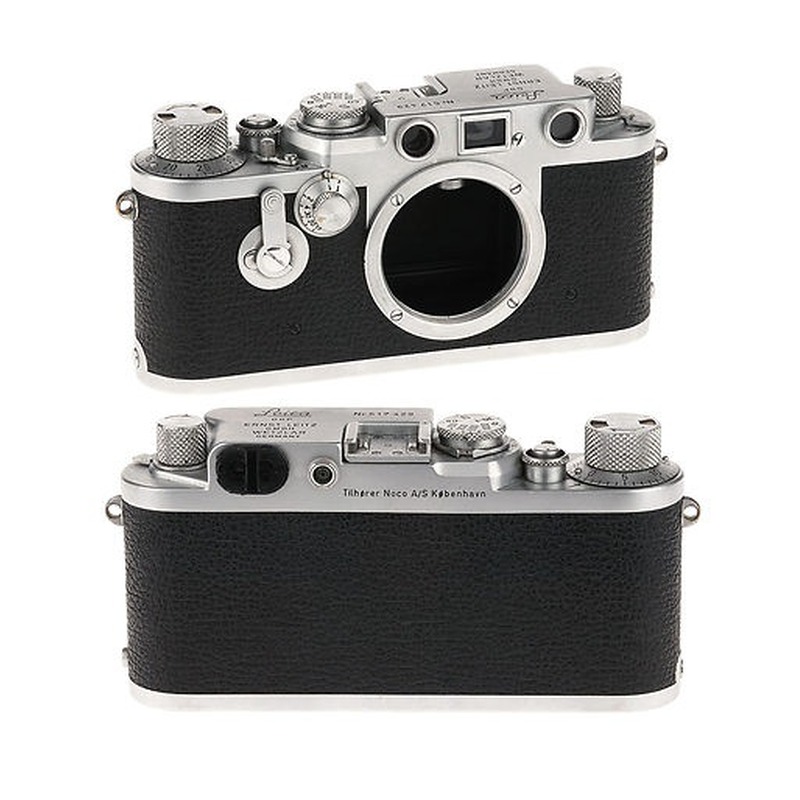
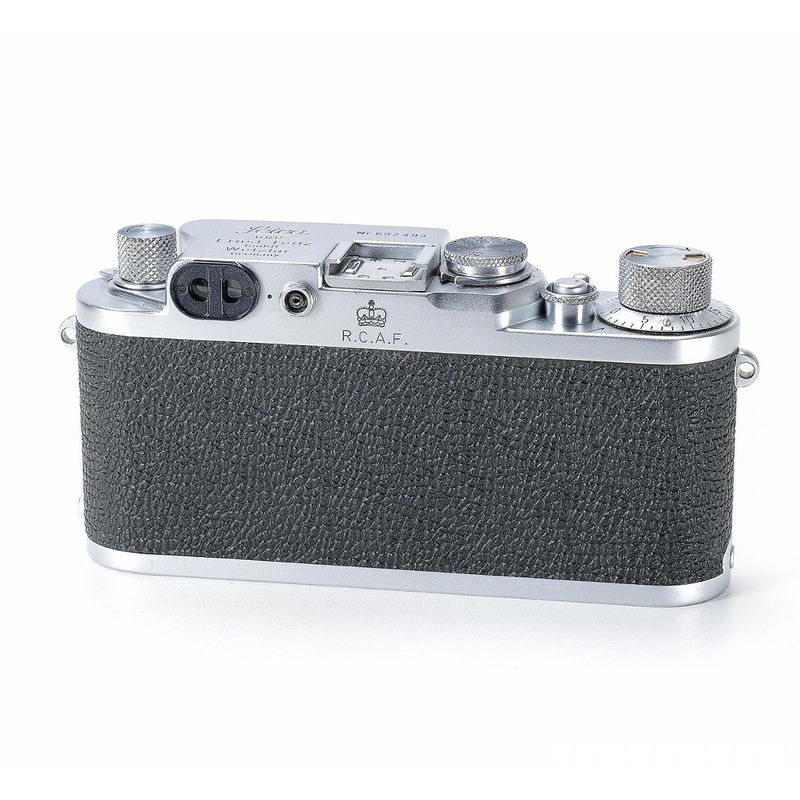
Produced during 1950-1956, the Leica IIIf Stemar represents the refined culmination of the classic Leica III screw-mount rangefinder series. Evolving directly from the wartime IIIc and IIIf models, the Stemar variant introduced minor refinements, most notably improved slow shutter speed mechanisms and possibly slight cosmetic adjustments to the top cover. It maintained the core design ethos of its predecessors: a compact, robust, all-mechanical body built to exceptional standards, featuring coupled rangefinder and viewfinder windows, a top shutter speed of 1/1000s, and the reliable Leica M39 screw lens mount. While sharing the fundamental operational principles established in the 1930s, the Stemar benefited from Leica's post-war manufacturing experience, delivering a highly capable tool for photojournalists, documentarians, and serious amateur photographers who demanded precision and portability. Famous users, particularly during the Korean War era, underscored its reputation as a trusted companion in demanding environments.
Though not the most technologically innovative Leica of its time, the Stemar cemented the III series' legacy as a benchmark for 35mm rangefinder photography. Its build quality was exemplary, featuring brass and chrome construction known for durability. While eclipsed in fame by the later M3 with its bayonet mount and brighter viewfinder, the IIIf Stemar remains a significant artifact representing the pinnacle of the screw-mount era, valued for its handling characteristics, mechanical simplicity, and association with mid-century reportage. It exemplifies Leica's commitment to engineering excellence and reliability during a period when 35mm film was firmly establishing its dominance.
Specifications
| Film Format | 135 |
_'Monte_en_Sarre'/main.jpg)
_Syn_'Leitz-Eigentum'/main.jpg)
 Enjoy this museum? Support on Ko-fi