/main.jpg)
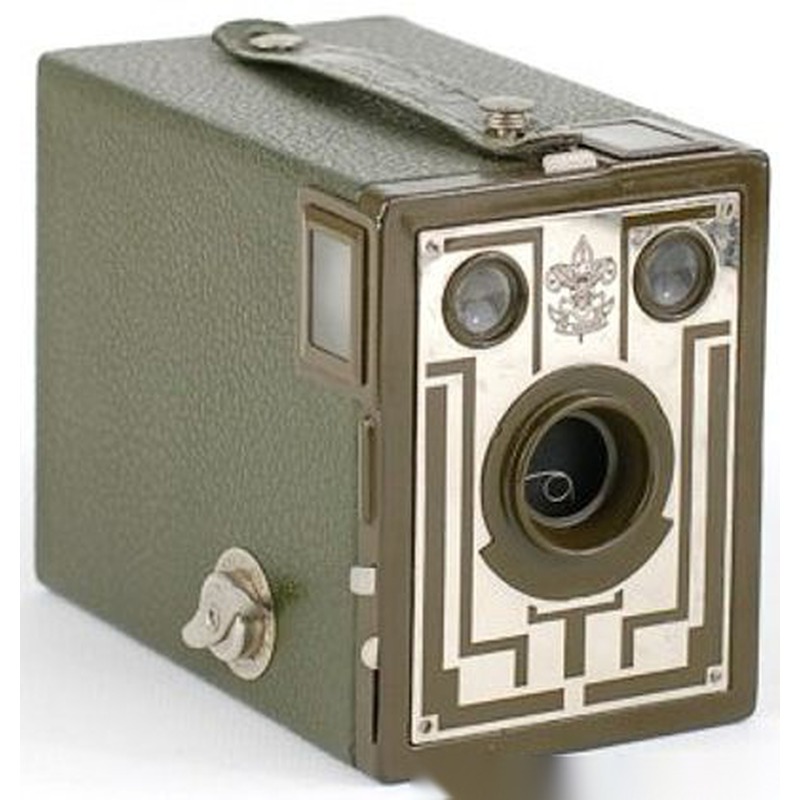
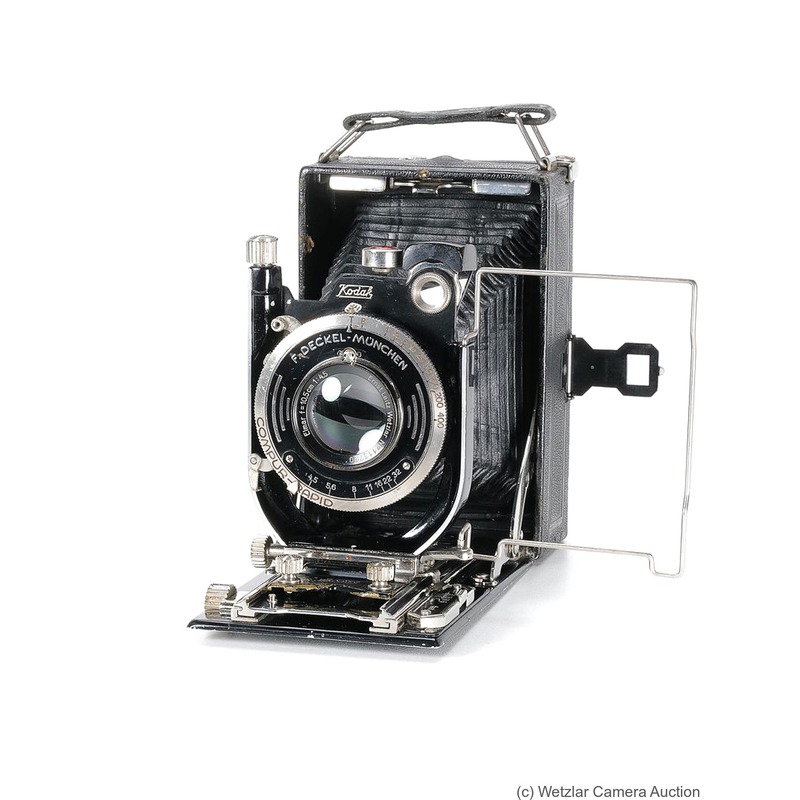
Kodak Six-20 Hawk-Eye Junior (UK)
Kodak · USA · 1932 · 135 film
Introduced in 1932, the Six-20 Hawk-Eye Junior (UK) was a straightforward, budget-level 35mm camera designed by Kodak for the mass market. It represented Kodak's continued effort to make snapshot photography accessible and affordable, fitting within their extensive line of simple box and folder cameras. Utilizing the popular 135 film cassette (despite the potentially confusing "Six-20" designation, likely referring to Kodak's standard 620 roll film size internally), it aimed to provide convenient, small-format picture-taking to a wide audience. Characterized by its basic construction, likely a simple metal or bakelite body with minimal controls, the Junior offered point-and-shoot functionality typical of Kodak's entry-level offerings of the era. Its primary significance lies in its role as a representative example of Kodak's strategy to popularize 35mm photography beyond the realm of sophisticated enthusiasts or professionals, contributing to the broader adoption of small-format film during the 1930s.
The camera embodies the pragmatic, utilitarian approach Kodak took with its "Brownie" and "Hawk-Eye" branded models. Its features were uncomplicated: a fixed-focus lens, a single shutter speed, and simple aperture controls, designed for ease of use rather than technical sophistication. The "Junior" designation firmly places it below more complex Kodak Retinas or contemporary German 35mm models. While not a technological innovator, the Six-20 Hawk-Eye Junior (UK) holds value as a historical artifact illustrating Kodak's massive influence on democratizing photography, showing how the company adapted the emerging 35mm format to fit its established market position of producing reliable, user-friendly cameras for everyday consumers.
Specifications
| Film Format | 135 |
/main.jpg)
 Enjoy this museum? Support on Ko-fi