/main.jpg)
Pricing
Kodak Pupille (TLR)
Kodak · USA · 1932–1935 (3 years) · 135 film
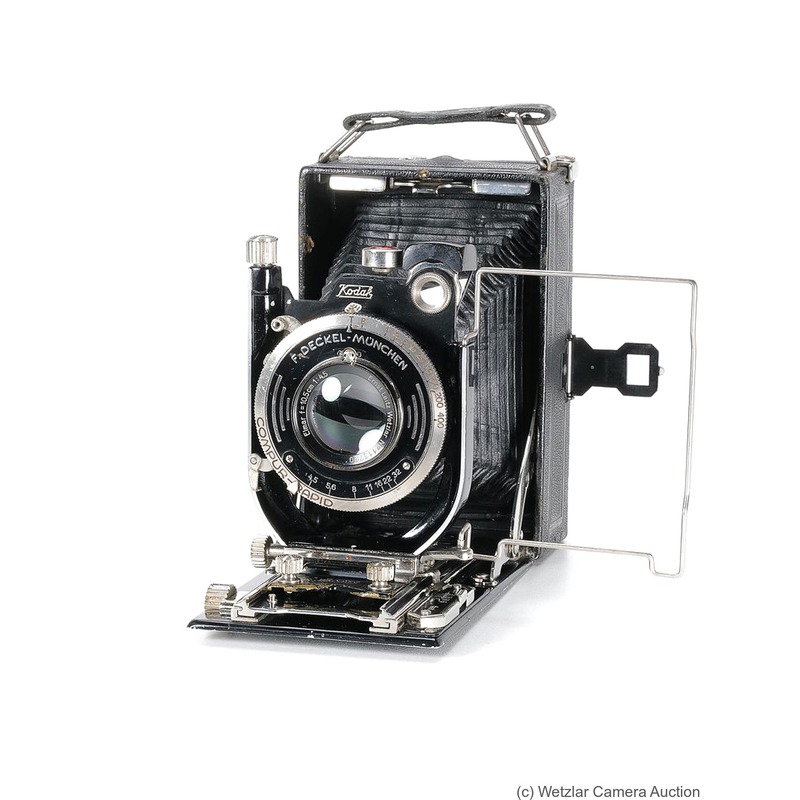
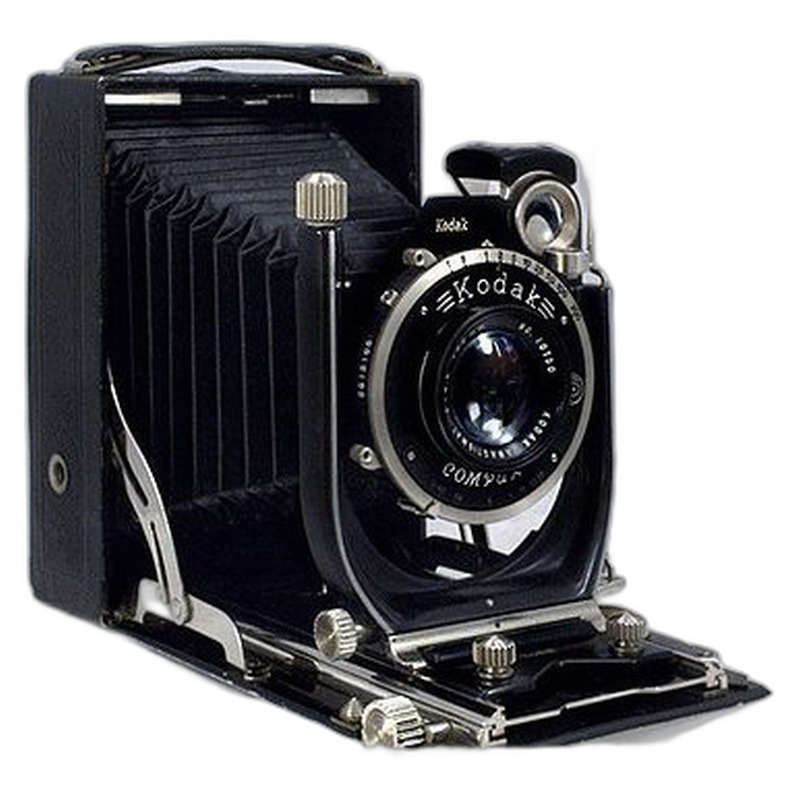
The Kodak Pupille (TLR) stands as a peculiar experiment from Kodak's German division (Agfa) during the early 1930s. Uniquely, it was a twin-lens reflex camera designed for 135 (35mm) film, a format almost exclusively used with rangefinders or single-lens reflex systems at the time. This combination of TLR viewing with 135 film was highly unusual. The camera featured a folding body, typical of medium format TLRs, but scaled down for the smaller film format. It offered the waist-level viewing experience of a TLR but lacked the flexibility and compactness of successful 35mm designs. Despite Kodak's prominence, the Pupille had a very short production run from 1932 to 1935. Its novelty was likely overshadowed by the practical limitations: the larger size compared to 35mm folders or SLRs, the fixed lens (typically a Trioplan or similar), and perhaps a price point that couldn't compete with established alternatives. Its existence primarily serves as an interesting footnote in Kodak's history, showcasing an attempt to apply a established medium format concept to the emerging 35mm market that ultimately proved commercially unviable.
Specifications
| Film Format | 135 |
 Enjoy this museum? Support on Ko-fi