Pricing
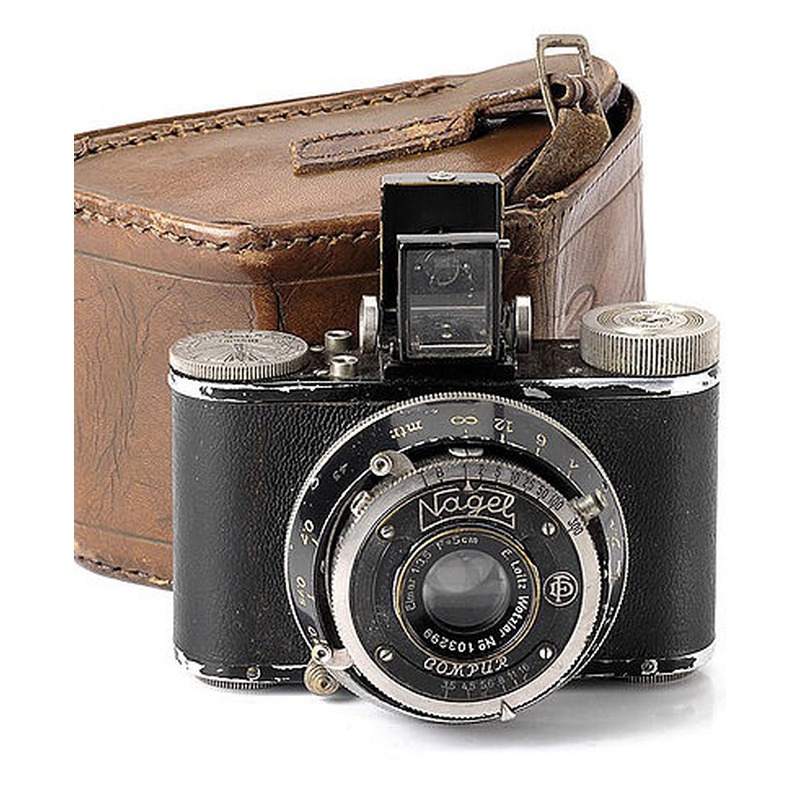
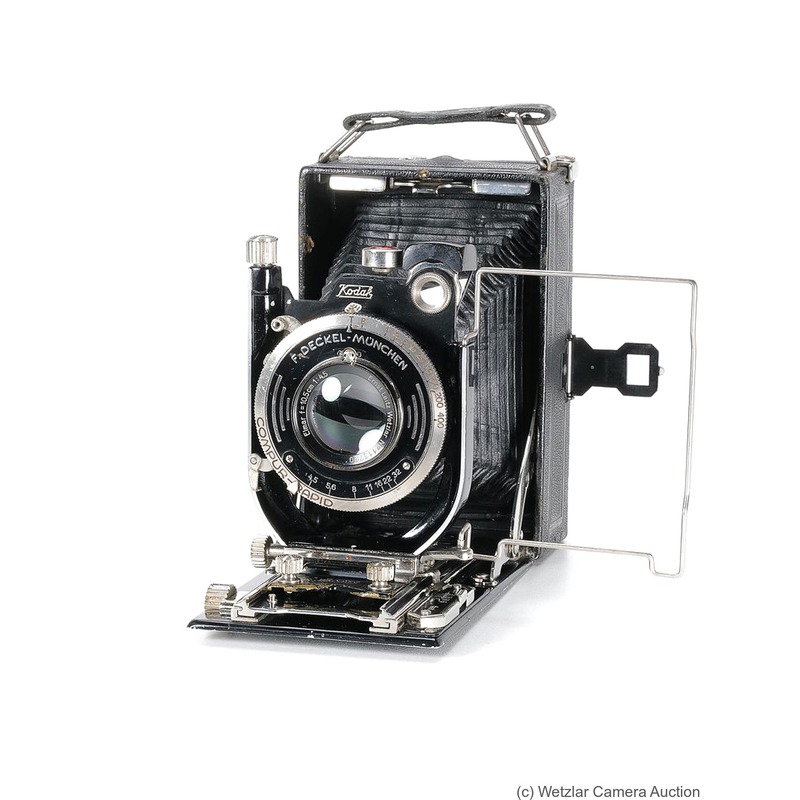
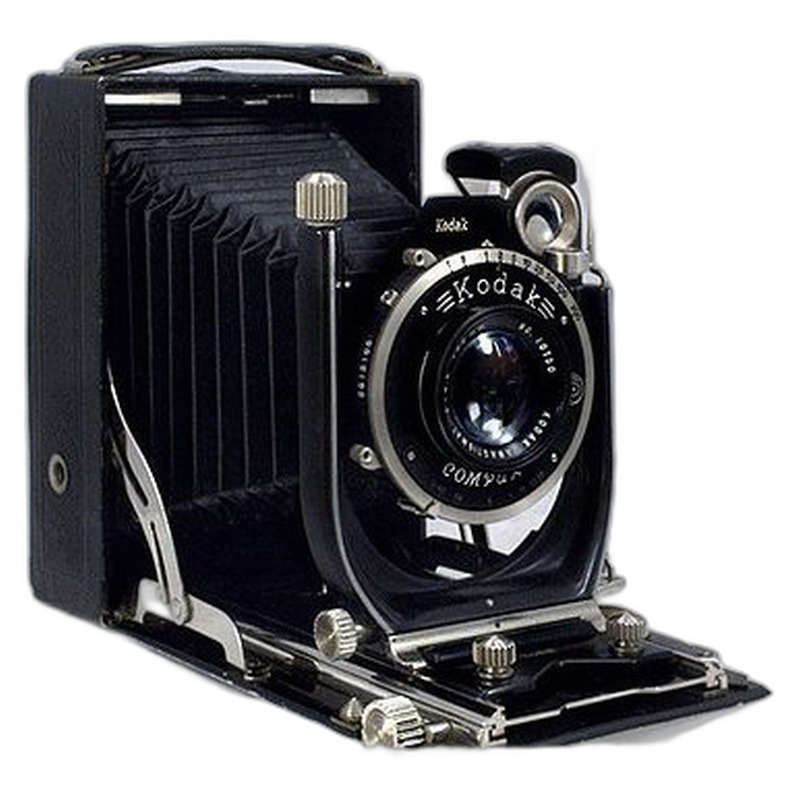
Kodak Pupille
Kodak · USA · 1932–1935 (3 years) · 135 film
Produced by Kodak from 1932 to 1935, the Pupille represents a relatively early and basic entry into the burgeoning 135 (35mm) still camera market. Designed as a simple, fixed-lens camera, it likely targeted the amateur photographer seeking an affordable way to use the 35mm format, then gaining traction for its compactness and roll film convenience. Characteristic of mid-1930s Kodak consumer compacts, the Pupille probably featured a straightforward operation with a single-speed or limited shutter speed selection, coupled with a simple meniscus or triplet lens offering adequate sharpness for snapshot-sized enlargements. Its construction, common for the era, would have utilized materials like bakelite and metal, prioritizing functionality and cost-effectiveness over sophisticated engineering or premium materials.
As part of Kodak's effort to democratize the 35mm format before the rise of more advanced subminiature systems, the Pupille served a practical niche. It was not an innovative landmark like the contemporary Leica III, but rather a utilitarian tool designed to capture everyday moments with minimal fuss. Its significance lies primarily as an example of the accessible, mass-market 35mm cameras that helped establish the format as viable for amateur photography, bridging the gap between larger roll-film folders and the emerging precision miniature cameras that would dominate later decades. The Pupille's design reflected Kodak's vast experience in simplifying photographic processes for the general public.
Specifications
| Film Format | 135 |
/main.jpg)
 Enjoy this museum? Support on Ko-fi