/main.jpg)
Pricing
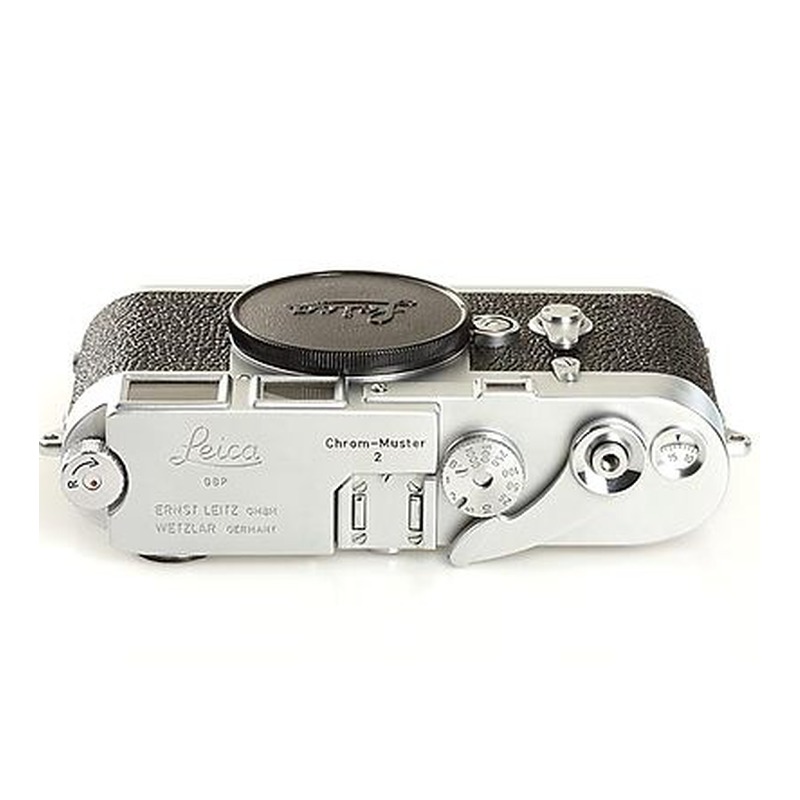
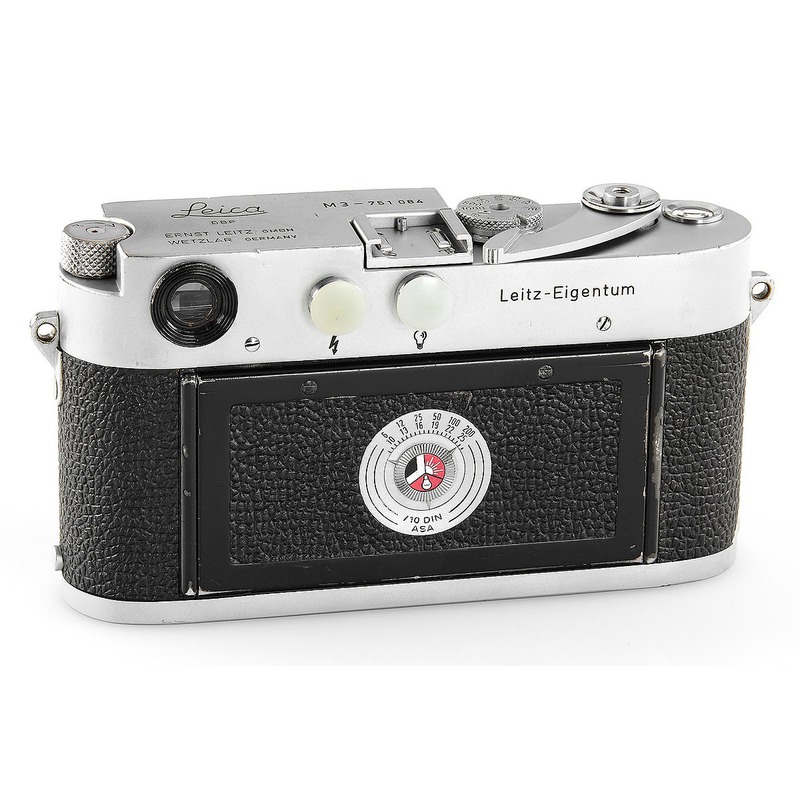
Leica M3 chrome (early, corner)
Leica · Germany · 1954 · 135 film
The Leica M3, introduced in 1954, represents a watershed moment in photographic history as the first camera to feature Leica's revolutionary M bayonet lens mount system. This early "corner" model (distinguished by the position of the frame counter window) marked Leica's decisive transition from their earlier screw-mount cameras and established the template for rangefinder design that would endure for decades. The M3 introduced the innovative 0.92 magnification viewfinder, which simultaneously displayed frame lines for 35mm, 50mm, 90mm, and 135mm lenses—a remarkable technological advancement that eliminated the need for auxiliary viewfinders or lens-specific framelines. Its precision engineering combined with robust construction featuring chrome-plated brass and leatherette covering embodied German manufacturing excellence while maintaining the legendary quiet operation essential for documentary photography.
The camera's significance extends far beyond its technical specifications, having shaped the work of generations of influential photographers. Henri Cartier-Bresson, the father of modern photojournalism, embraced the M3 for its exceptional viewfinder brightness, precise rangefinder coupling, and quiet shutter operation—all essential qualities for capturing fleeting moments with minimal intrusion. The M3 became the instrument of choice for many documentary and street photographers throughout the mid-20th century, producing some of the most iconic images in photographic history. Its combination of innovative viewfinder technology, superb ergonomics, and optical quality established a new standard for 35mm rangefinder cameras, influencing subsequent designs from both Leica and competitors alike, and cementing its status as one of the most significant cameras ever produced.
Specifications
| Film Format | 135 |
/main.jpg)
/main.jpg)
/main.jpg)
/main.jpg)
 Enjoy this museum? Support on Ko-fi