Pricing
Canon L3
Canon · Japan · 1957–1958 (1 years) · 135 film
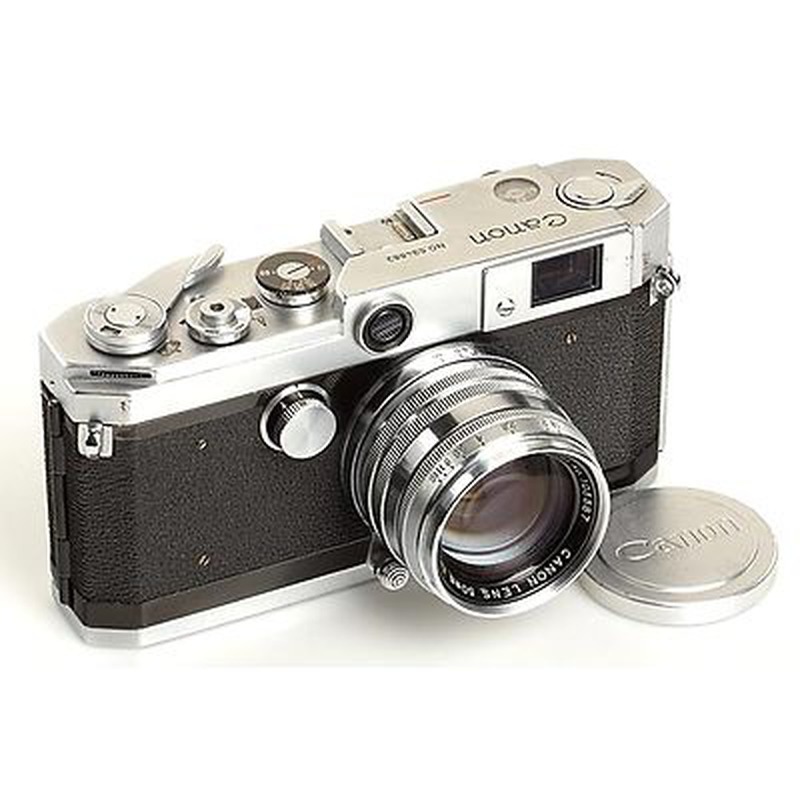
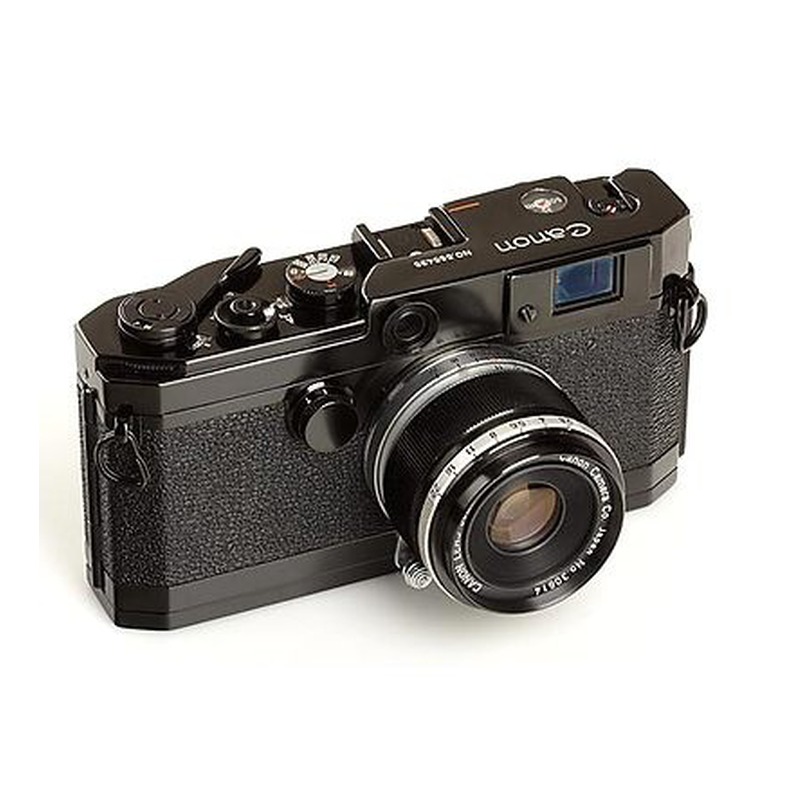
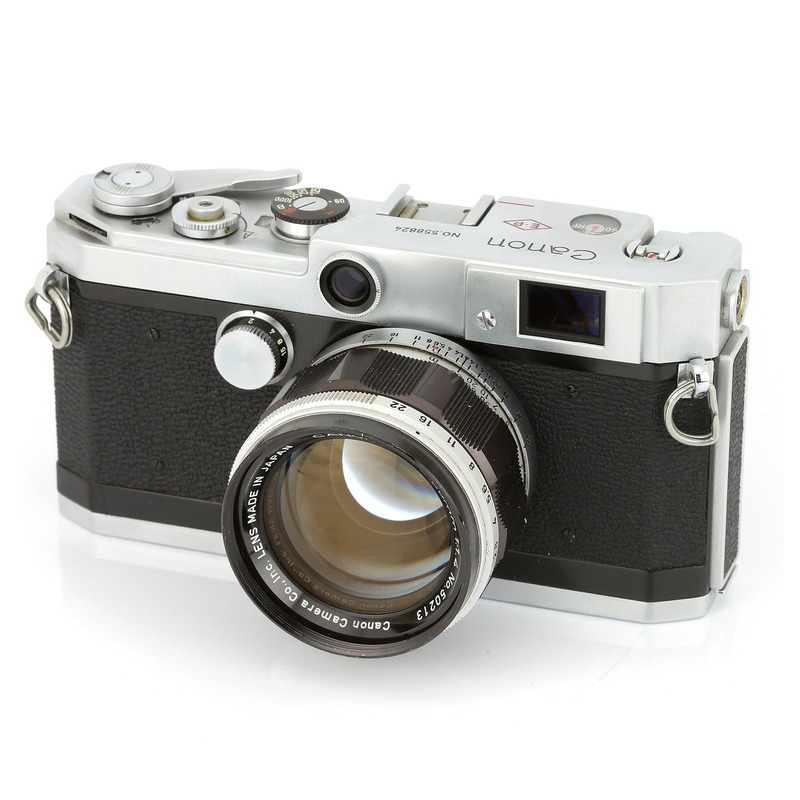
The Canon L3 represents a significant step in Canon's evolution as a serious camera manufacturer during the mid-1950s. Positioned as a robust and reliable 35mm rangefinder camera, it was produced in the crucial transitional period between Canon's early post-war models and their groundbreaking SLRs like the Canonflex. The L3 featured Canon's proprietary Canon Rangefinder Mount (Canon RF), which initially accepted Leica M39 screw lenses but later introduced Canon's own lenses, showcasing the brand's growing technological independence. Known for its solid metal construction and clean, functional design typical of high-end 1950s rangefinders, it offered features like coupled rangefinder, shutter speeds from 1 to 1/500 second, and flash sync, appealing to serious amateur photographers and professionals seeking a quality Japanese alternative to European cameras. While not revolutionary in itself, the L3 solidified Canon's reputation for reliable precision engineering and was part of the lineup that laid the groundwork for their later dominance in the SLR market.
As a direct descendant and contemporary of Canon's highly successful IIB and IIA models, the L3 refined the formula that made Canon competitive. It maintained the core rangefinder accuracy and build quality enthusiasts expected while incorporating incremental improvements. Its production ran briefly (1957-1958), making it somewhat less common than its predecessors and successors like the 7 and 7S. The L3 stands as a capable and well-regarded example of mid-century Japanese camera craftsmanship, valued today for its role in Canon's history and its satisfying, mechanical feel.
Specifications
| Film Format | 135 |
/main.jpg)
/main.jpg)
_black/main.jpg)
_chrome/main.jpg)
 Enjoy this museum? Support on Ko-fi