Pricing
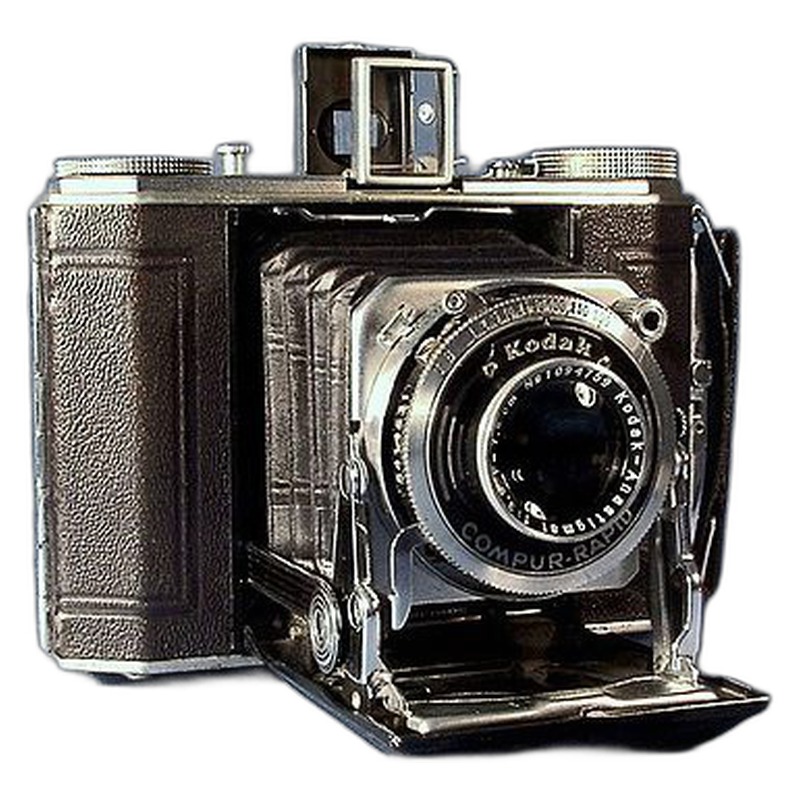
Kodak Duo Six-20
Kodak · USA · 1933–1937 (4 years) · 135 film
The Kodak Duo Six-20 represents an interesting transitional product in Kodak's lineup during the mid-1930s. As one of Kodak's early 35mm cameras, it emerged during a period when the company was exploring smaller formats beyond their traditional roll film offerings. The "Six-20" designation likely refers to the specific film format it was designed to use, which was different from the standard 35mm (135) film that would later become dominant. This camera occupies a middle ground in Kodak's product spectrum, positioned above basic box cameras but below their more sophisticated models. Its production from 1933 to 1937 suggests it served a particular market segment during the challenging economic conditions of the Great Depression, offering consumers a more compact option than Kodak's larger-format cameras.
The Duo Six-20 exemplifies Kodak's strategy of adapting to changing market preferences while maintaining their reputation for accessible photography products. During this era, Kodak was increasingly aware of the growing interest in smaller, more portable cameras that could use film already popular with enthusiasts. While not as technologically innovative as some competing European models of the period, the Duo Six-20 provided American consumers with a domestic option for 35mm photography. Its design likely prioritized simplicity and ease of use over advanced features, reflecting Kodak's traditional approach of making photography accessible to the average person rather than focusing on the enthusiast market that was beginning to develop in the 1930s.
Specifications
| Film Format | 135 |
 Enjoy this museum? Support on Ko-fi