Pricing
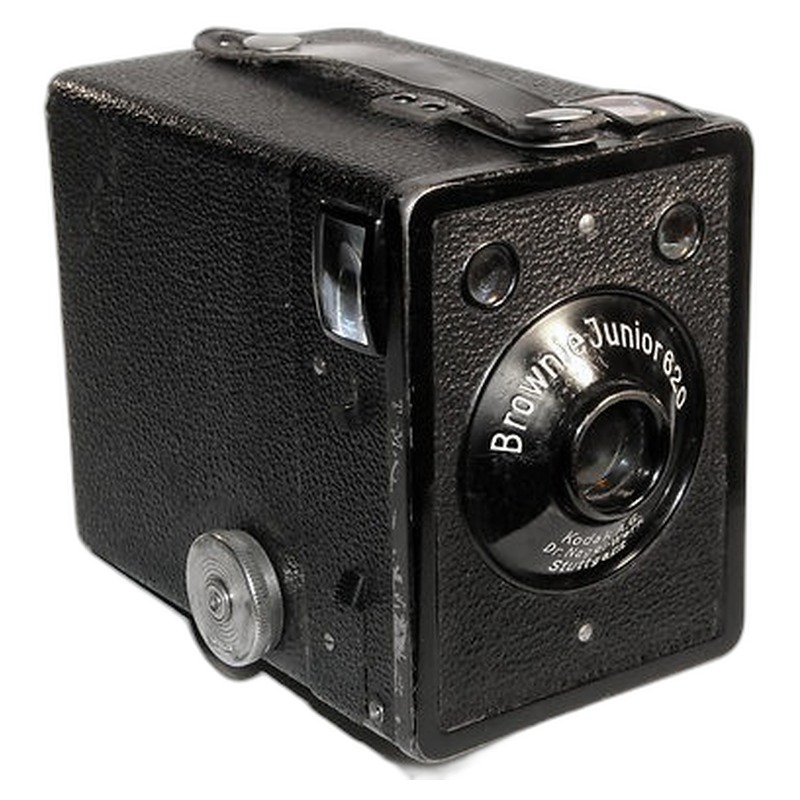
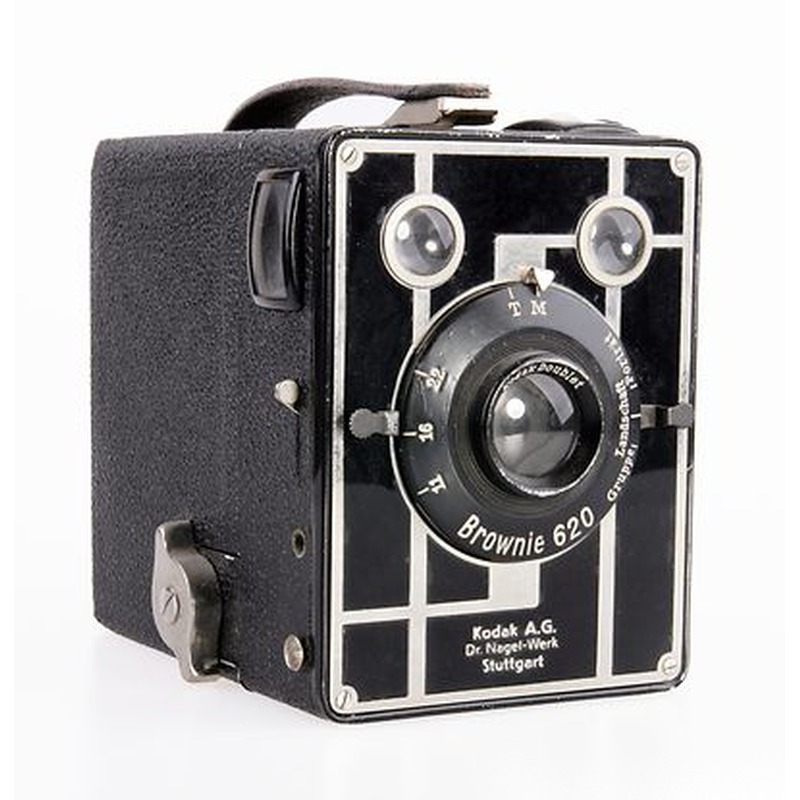
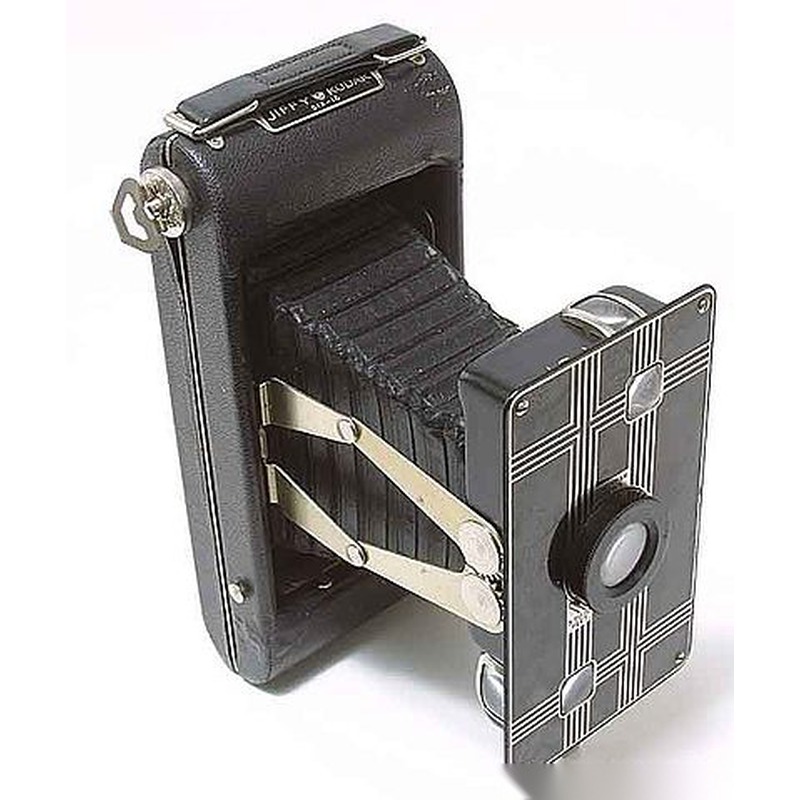
Kodak Brownie Junior 620
Kodak · USA · 1933–1936 (3 years) · 135 film
The Brownie Junior 620 represents Kodak's strategic entry into the burgeoning 35mm consumer market during the mid-1930s. As part of Kodak's long-running Brownie line that had made photography accessible to the masses since 1900, this model aimed to bring the convenience of 35mm film to everyday photographers at an affordable price point. Constructed from Bakelite, a popular early plastic material, the camera features a simple, box-like design with basic controls typical of the era. Its straightforward operation made it accessible to amateur photographers who were beginning to appreciate the advantages of smaller, more portable cameras and smaller film formats. The 1933-1936 production period places this model at a transitional moment in photography history, as manufacturers experimented with increasingly compact designs and new film formats for the consumer market.
The camera uses 620 film, a format that was essentially 120 film wound onto a different type of spool. This innovation allowed photographers to enjoy smaller, more convenient cameras without a significant shift in film purchasing habits. While not the first 35mm camera available (the Leica I had already introduced 35mm film to serious photographers in 1925), the Brownie Junior 620 played an important role in bringing this format to the mass market. Its affordability and simplicity helped accelerate the adoption of 35mm photography among amateur photographers, setting the stage for the explosive growth of this format in the decades that followed.
Specifications
| Film Format | 135 |
 Enjoy this museum? Support on Ko-fi