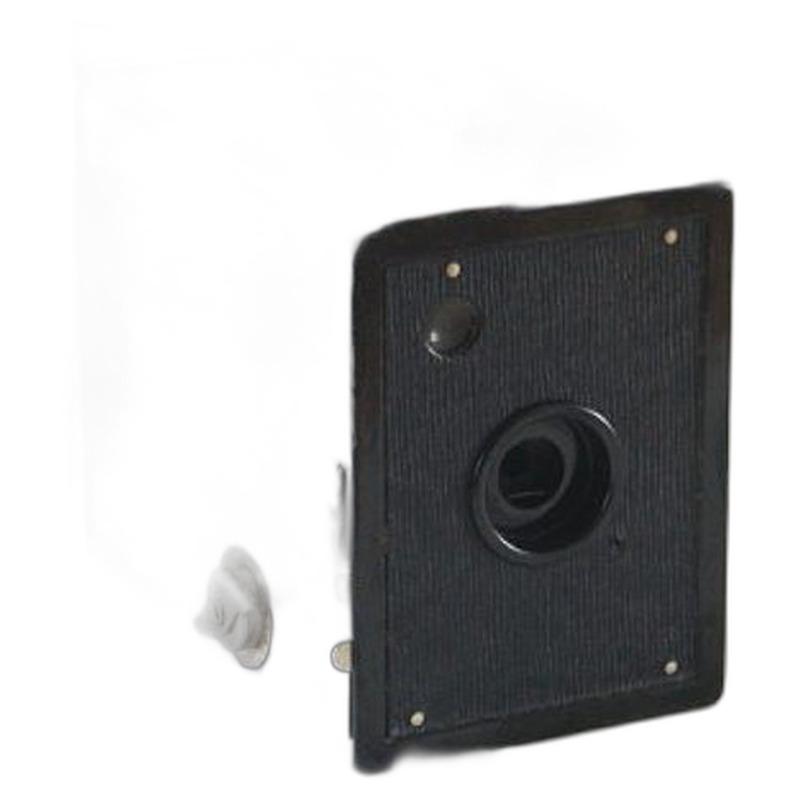
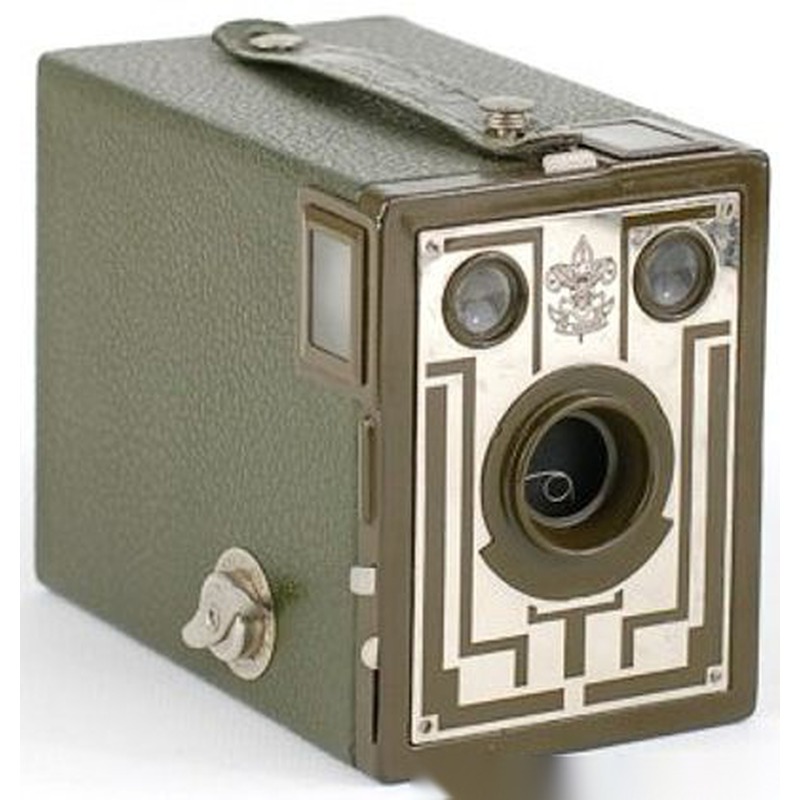
Kodak Six-20 Hawk-Eye Special
Kodak · USA · 1932 · 135 film
Introduced in 1932, the Kodak Six-20 Hawk-Eye Special represents an early, albeit limited, foray by Kodak into the burgeoning 35mm film market. However, crucially, it utilized the proprietary Kodak Six-20 film format, not standard 135 (35mm) cartridges. It functioned as a simple, fixed-focus box camera, designed as an accessible entry point for amateur photographers seeking compact photography. Characterized by its basic construction and straightforward operation, featuring a simple shutter mechanism and a meniscus lens, the Hawk-Eye Special prioritized ease of use and affordability over technical sophistication. It sat within Kodak's lineup alongside more complex offerings, aiming to provide a no-frills snapshot experience for the masses.
While Kodak was a dominant force in photography, the Six-20 Hawk-Eye Special did not introduce significant innovations and was largely overshadowed contemporaneously by more advanced European 35mm cameras like the Leica. Its significance lies primarily in its context: it was Kodak's attempt, however modest, to introduce a smaller format camera to the American consumer market during the early 1930s. Its use of the non-standard Six-20 format and its basic, functional design mark it as a product of its era, catering to a specific segment but lacking the groundbreaking impact of Kodak's later, more successful 35mm ventures like the Retina series.
Specifications
| Film Format | 135 |
/main.jpg)
 Enjoy this museum? Support on Ko-fi