Pricing
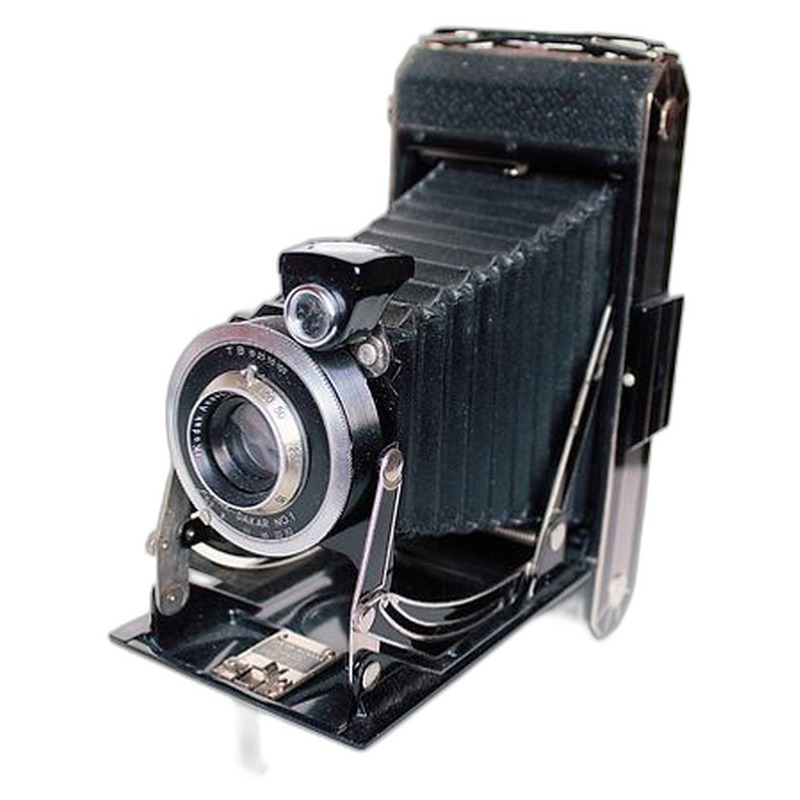
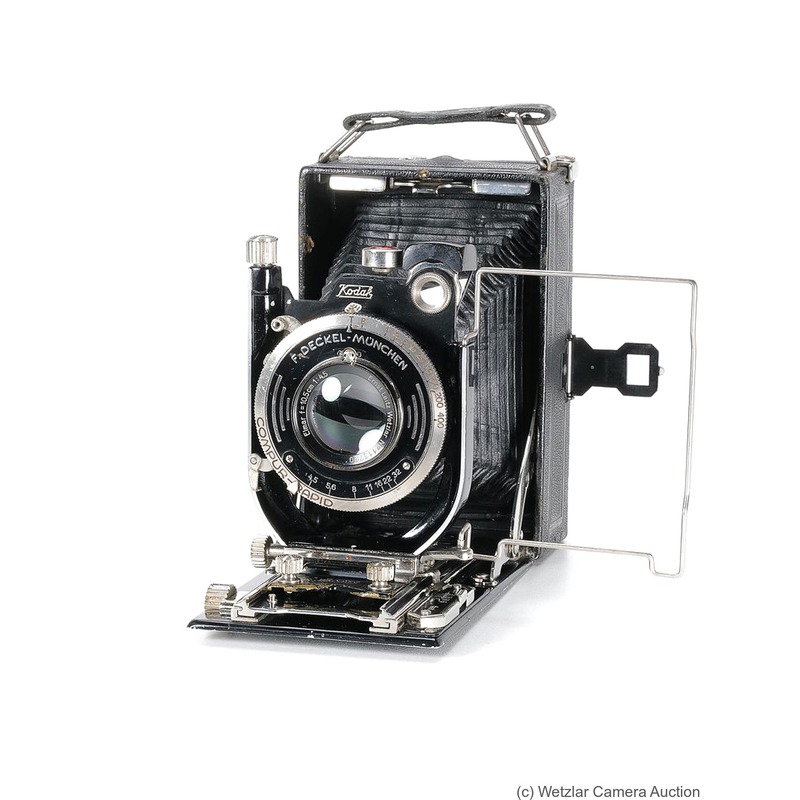
Kodak Six 16
Kodak · USA · 1932–1934 (2 years) · 135 film
The Kodak Six-16 represents Kodak's entry into the burgeoning 35mm market during a pivotal era. Produced from 1932 to 1934, this camera utilized standard 135 film, marking a significant departure from Kodak's traditional medium and large format roll films aimed at amateurs. Its introduction reflected Kodak's strategy to offer the advantages of compact 35mm photography, including smaller negatives and faster handling, to a wider consumer base accustomed to Kodak's user-friendly designs. While lacking the sophisticated engineering of contemporary German rivals like the Leica, the Six-16 provided Kodak's customers with a practical, accessible path into the smaller format, contributing to the gradual mainstream acceptance of 35mm photography.
As a fixed-lens, viewfinder camera, the Six-16 prioritized simplicity and ease of use. It likely featured Kodak's characteristic robust, albeit utilitarian, construction typical of its consumer-grade products of the 1930s. The camera's name, "Six-16," derived from its ability to take six exposures on 828 film (a now obsolete Kodak-specific format often confused with 135), which Kodak marketed alongside 135 during this transition period. It stands as a representative example of the American manufacturer's attempt to democratize 35mm, bridging the gap between its simpler box cameras and the more complex precision instruments gaining popularity in Europe. Its production span coincided with Kodak's wider efforts to standardize and expand its offerings in the smaller format.
Specifications
| Film Format | 135 |
/main.jpg)
 Enjoy this museum? Support on Ko-fi