/main.jpg)
Pricing
Leica IIIf (Leicavit)
Leica · Germany · 1950–1956 (6 years) · 135 film
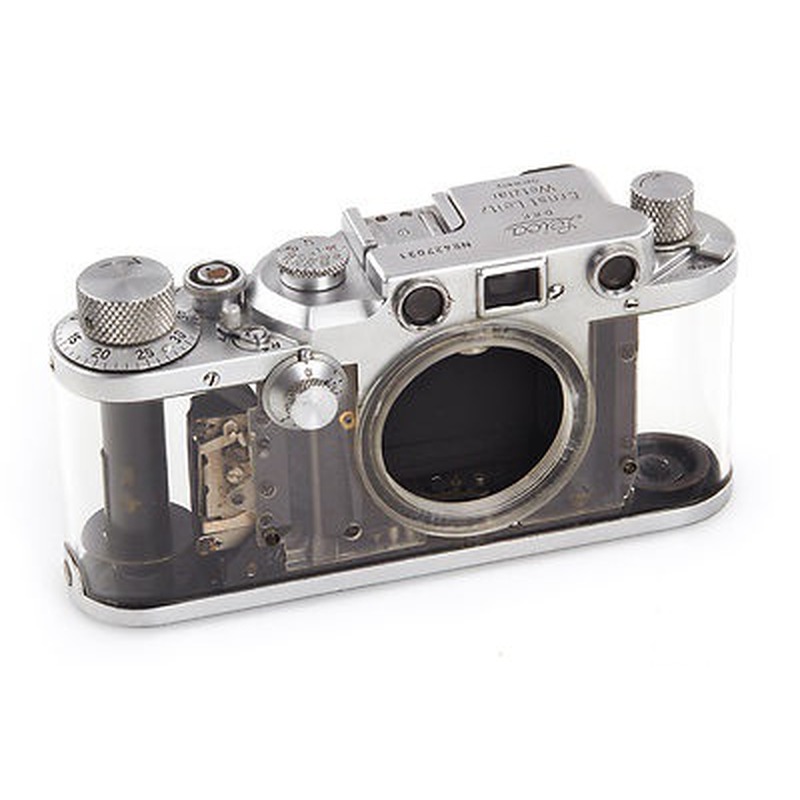
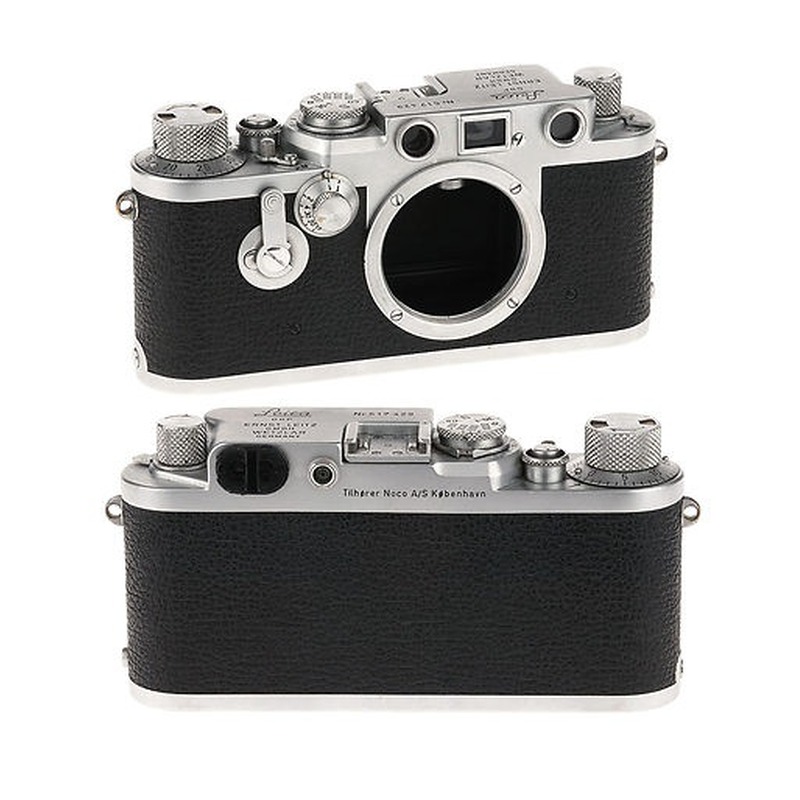
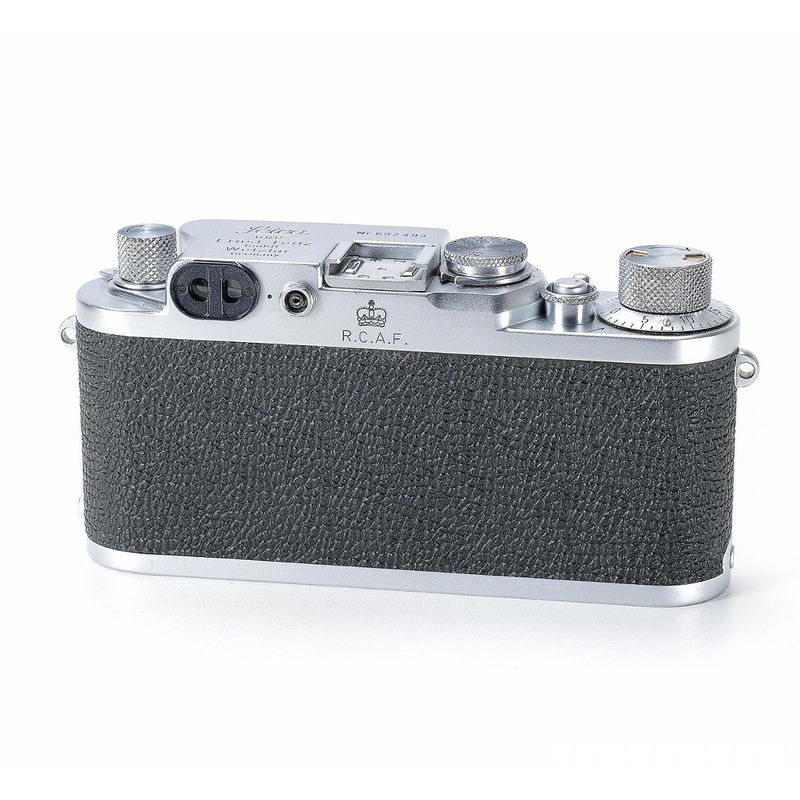
The Leica IIIf (Leicavit) represents a significant evolution within Leica's influential rangefinder line, produced during the crucial post-World War II era from 1950 to 1956. It was essentially the final iteration of the Leica II series, featuring the reliable coupled rangefinder and viewfinder found in its predecessors. The key distinguishing element often associated with this specific model designation is the availability of the Leicavit rapid-winder accessory. This spring-motor device, which attached to the base plate, enabled significantly faster winding and film advancement compared to manual lever winding, making it particularly popular among photojournalists and documentary photographers working in fast-paced situations. The camera retained the classic Leica aesthetic and mechanical precision, built to exacting standards for durability and reliability in the field.
Positioned as a professional workhorse, the Leica IIIf (Leicavit) offered robust construction and the excellent Leitar lenses, ensuring high image quality that continued Leica's reputation for excellence. It was a practical tool favored by photographers during a period of significant global events and documentary photography. While sharing the fundamental rangefinder design of earlier Leicas, the integration and promotion of the Leicavit rapid winder cemented its status as a specialized variant optimized for speed, reflecting the demands of mid-20th-century reportage. Its production run solidified Leica's dominance in the 35mm professional market just before the revolutionary M-system's introduction.
Specifications
| Film Format | 135 |
_'Monte_en_Sarre'/main.jpg)
_Syn_'Leitz-Eigentum'/main.jpg)
 Enjoy this museum? Support on Ko-fi