
Pricing
Ernemann Puck
Ernemann · Germany · 1902–1903 (1 years) · 135 film
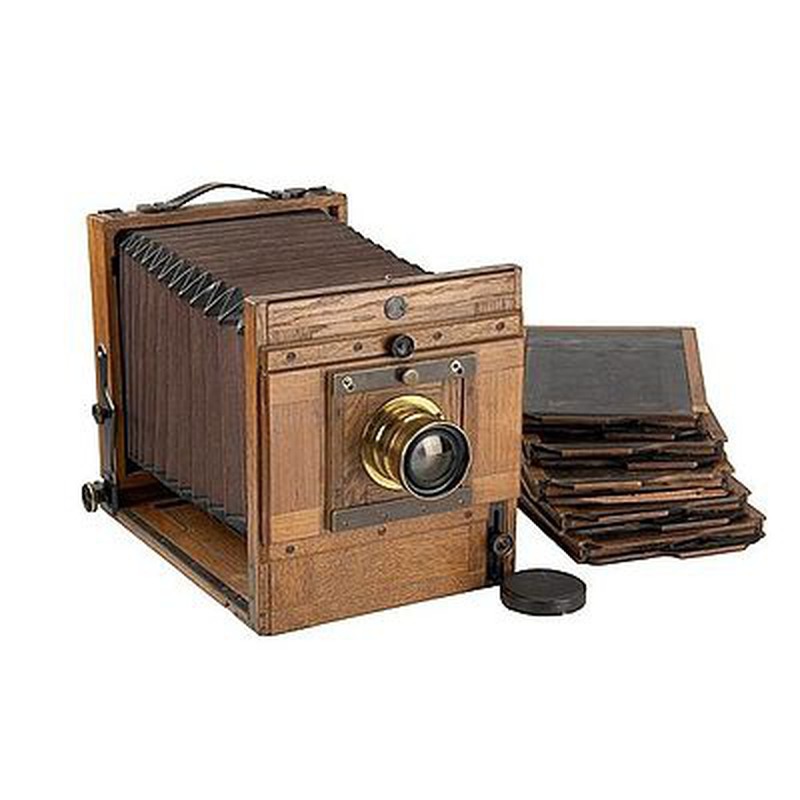
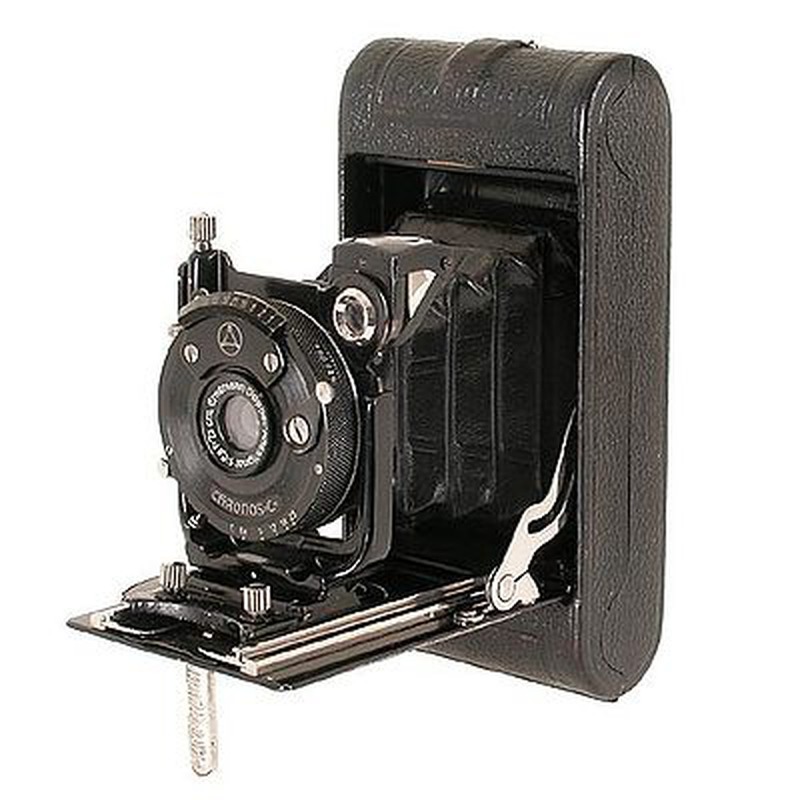
Produced briefly by Ernemann in 1902-1903, the Puck represents one of the very first commercially available 35mm still cameras, predating the Leica I by over a decade. Designed for use with standard 35mm cine film, it housed 24 exposures per roll in a compact, simple body reflecting the era's practical engineering. While lacking the refinement or robust construction of later iconic models, the Puck was significant as an early realization of the 35mm format's potential for portable photography, laying groundwork for future miniature cameras. Its abrupt discontinuation after just one year, likely due to market pressures and the impending rise of Leica, underscores its transitional nature in photographic history.
The Puck's design was straightforward: a simple rectangular body, often covered in black leatherette, with basic controls for exposure and film advance. It utilized focal plane shutters, common for its time, and typically featured fixed or simple lens/shutter combinations aimed at affordability. As an early entrant in the nascent 35mm market, the Puck holds a place as a curious historical artifact, demonstrating Ernemann's foresight but ultimately failing to establish a lasting foothold before more sophisticated and influential designs like the Leica captured the market.
Specifications
| Film Format | 135 |
/main.jpg)
/main.jpg)

/main.jpg)
 Enjoy this museum? Support on Ko-fi