Pricing
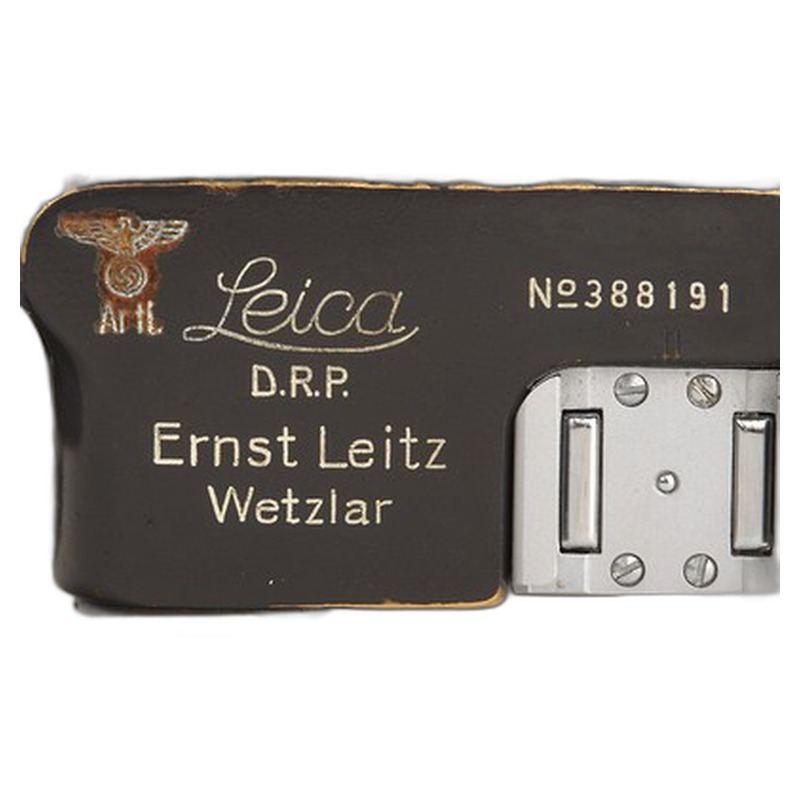
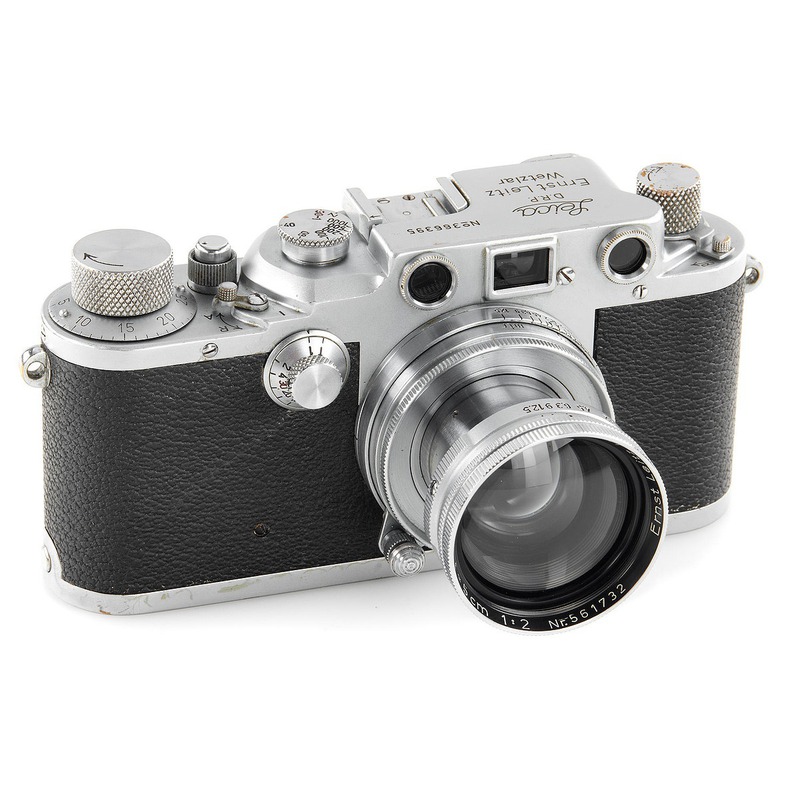
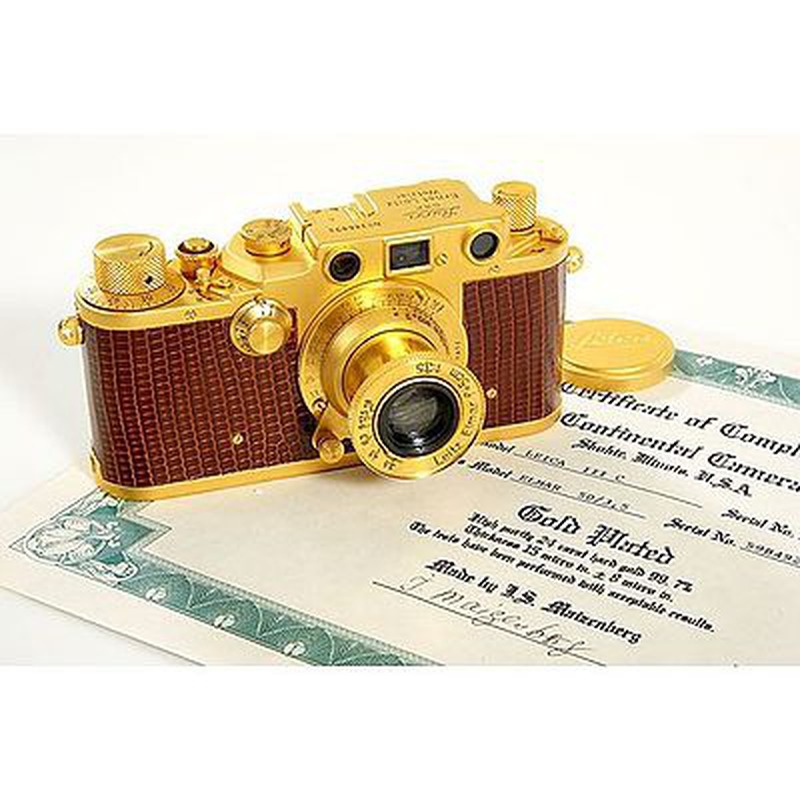
Leica IIIc grey 'Artl'
Leica · Germany · 1940–1951 (11 years) · 135 film
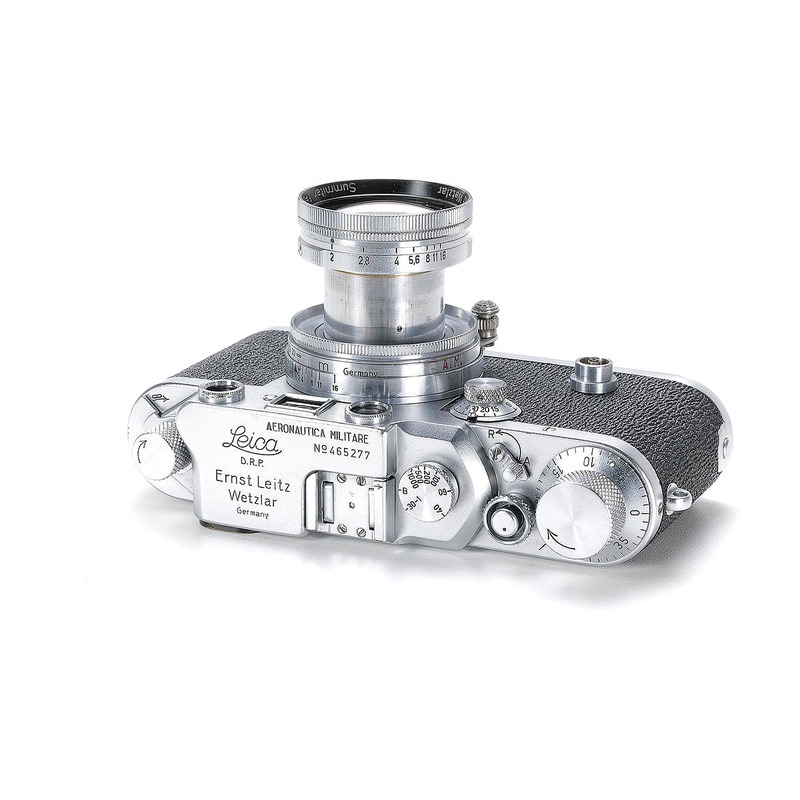
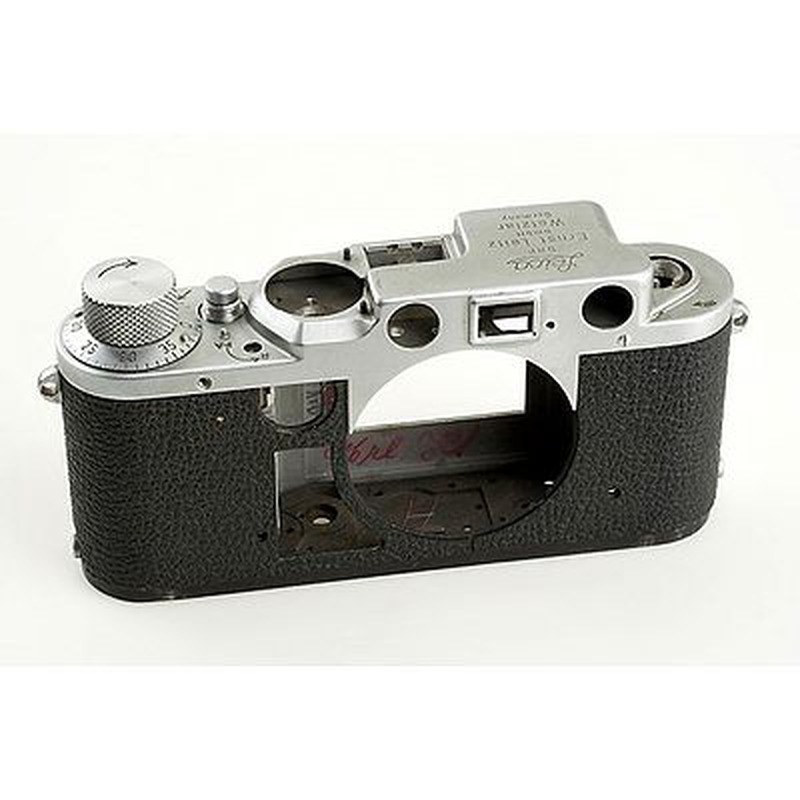
The Leica IIIc grey 'Artl' represents a pivotal iteration in Leica's legendary rangefinder lineage, produced during a tumultuous period spanning World War II and its immediate aftermath (1940-1951). It was the first Leica body to be manufactured primarily from die-cast aluminum alloy, a significant material shift from the earlier brass and steel construction of models like the III and IIIa. This change allowed for more complex, resilient contours and improved ergonomics while maintaining Leica's renowned precision engineering. The IIIc featured an integrated rangefinder and viewfinder system, a hinged back for easier film loading, and a synchronized shutter (added in 1948 post-war models), making it a versatile tool for documentary photography and street reportage under demanding conditions. Its robust, compact design cemented the "Leica" aesthetic and functionality that would define the 35mm camera as a serious photographic instrument.
As a workhorse camera used by countless photojournalists, war correspondents, and photographers like Robert Capa and David Seymour (Chim) during and after the war, the IIIc grey 'Artl' became synonymous with reportage and portable high-quality imaging. Its production during wartime shortages and occupation periods resulted in variations like the grey finish and the 'Artl' (Artillerie) designation, indicating its specific military procurement and ruggedized build. The IIIc series laid crucial groundwork for subsequent Leica models like the IIIf and IIIg, influencing the entire industry towards smaller, more durable cameras. Its enduring legacy lies in being one of the last purely mechanical Leica rangefinders before the introduction of the M-series, embodying the peak of Leica's screw-mount era and the essential tool that shaped modern photojournalism.
Specifications
| Film Format | 135 |
_'W.H.'_(Wehrmacht_Heer)/main.jpg)
/main.jpg)
 Enjoy this museum? Support on Ko-fi