/main.jpg)
Pricing
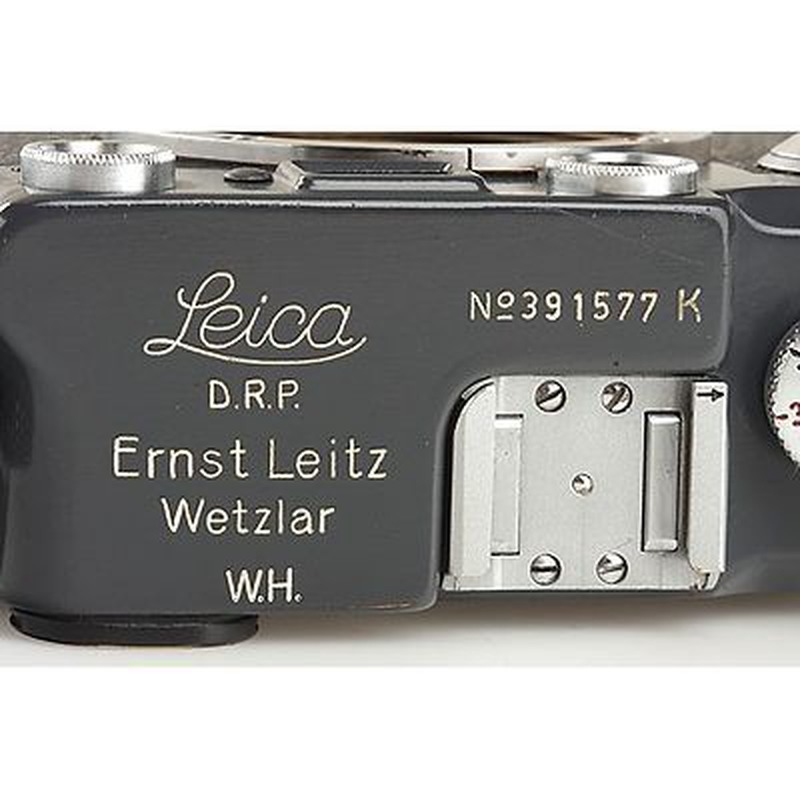
Leica IIIc (pre-400.000)
Leica · Germany · 1940–1945 (5 years) · 135 film
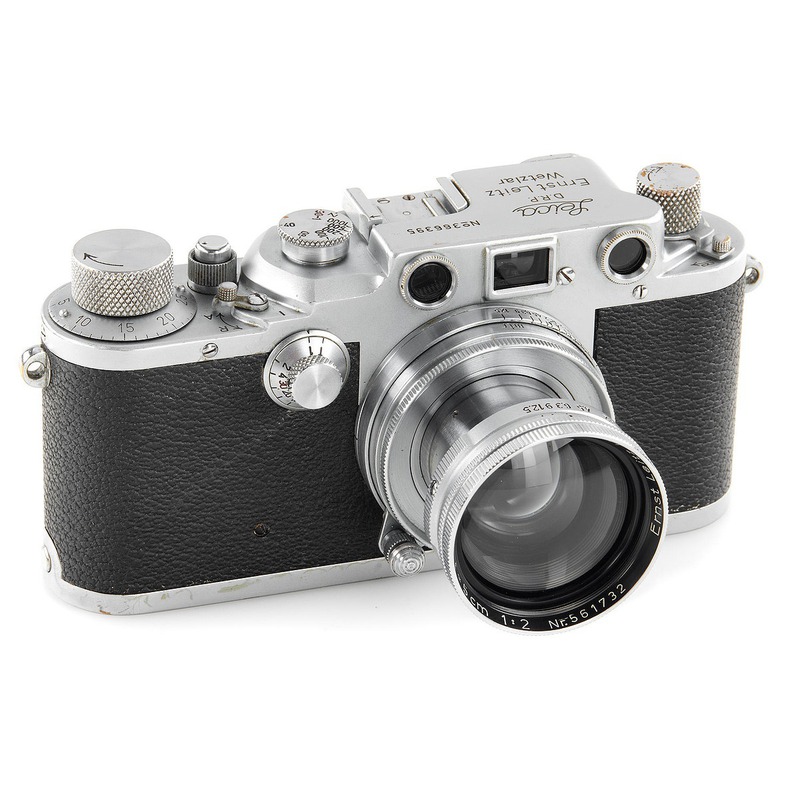
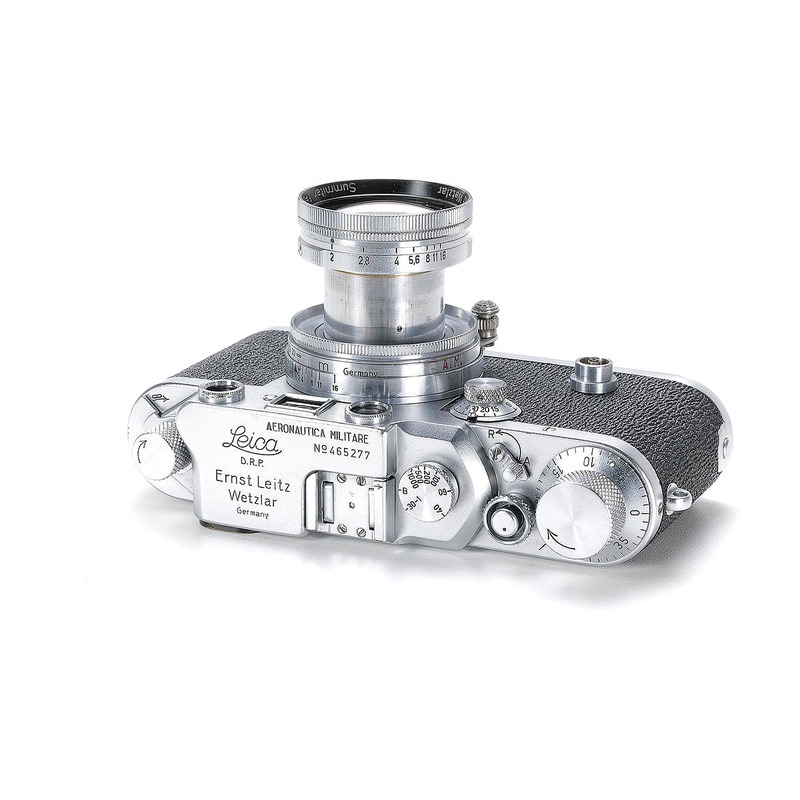
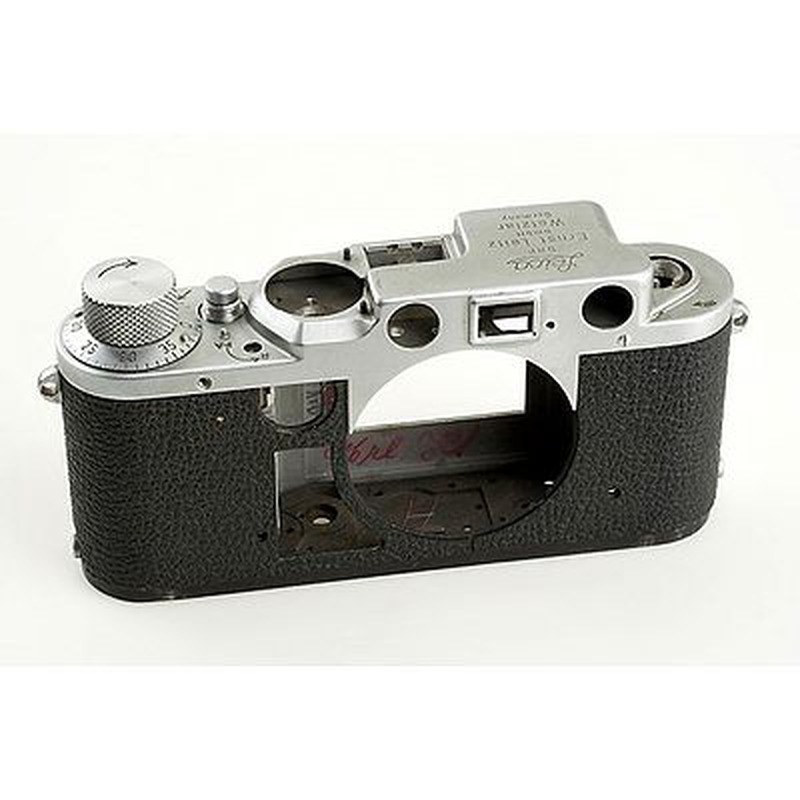
The Leica IIIc (pre-400.000) represents a significant iteration in Leica's classic rangefinder line, produced continuously during the tumultuous years of World War II (1940-1945). Building upon the successful IIIa and IIIB models, the IIIc introduced a cast alloy body frame, a crucial innovation enhancing structural rigidity and durability compared to earlier sheet metal constructions. This was essential for a camera expected to withstand harsh conditions and heavy use by photojournalists and military personnel during the conflict. Retaining the core features of the preceding models, it housed a coupled rangefinder for accurate focusing, a cloth focal-plane shutter with speeds from 1 to 1/500 second plus B, and an uncoupled selenium light meter (on later variants). Its robust build quality and reliable performance during wartime cemented its reputation as a trustworthy workhorse, embodying Leica's commitment to precision engineering even under duress.
While not the most technologically groundbreaking Leica, the pre-400,000 IIIc holds notable importance as the last model produced before Leica incorporated significant post-war refinements, and specifically before the serial number range exceeded 400,000. It served as a primary tool for many influential photographers documenting the war, contributing to the visual record of that era. Its combination of Leica's proven optics, dependable mechanics, and enhanced wartime durability ensures its place as a historically significant model in the evolution of 35mm photography, bridging the gap between pre-war Leica designs and the post-war IIIc/D series. Its production entirely during the conflict adds a unique layer of historical context.
Specifications
| Film Format | 135 |
_'W.H.'_(Wehrmacht_Heer)/main.jpg)
 Enjoy this museum? Support on Ko-fi