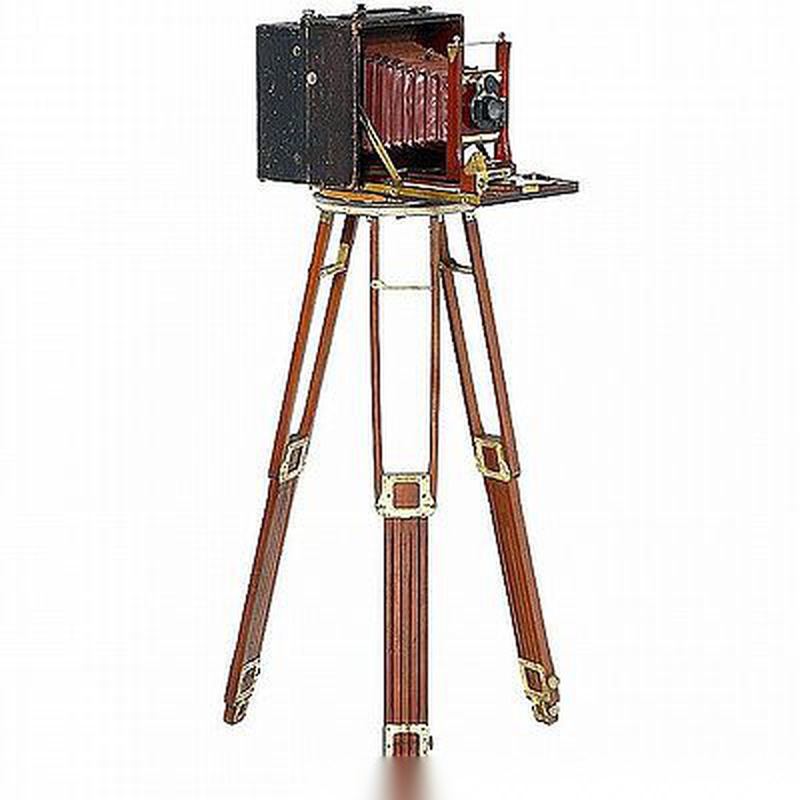
Kodak Cirkut Century No. 46
Kodak · USA · 1907 · 135 film
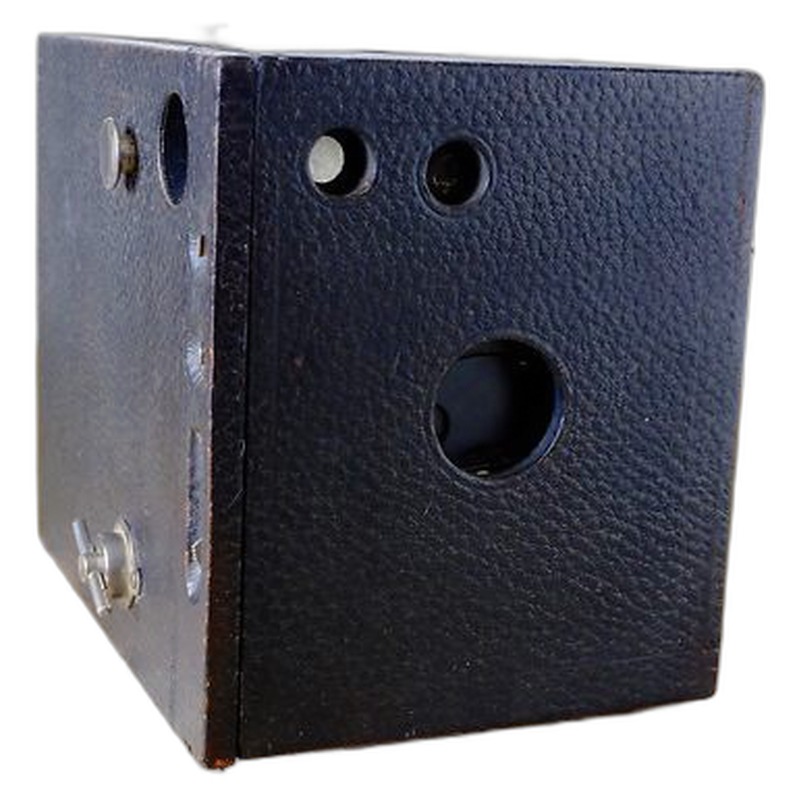
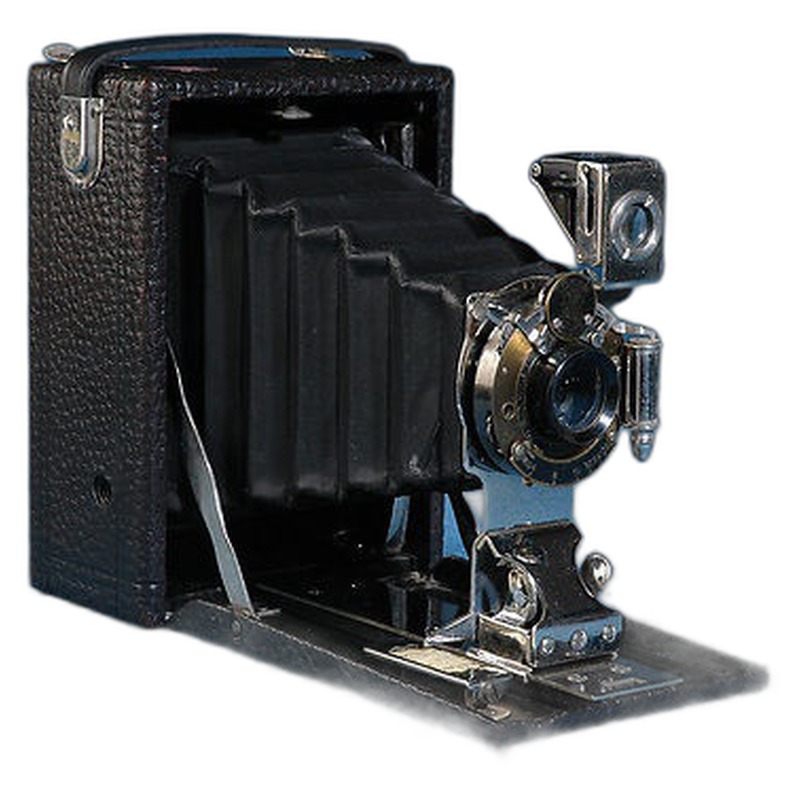
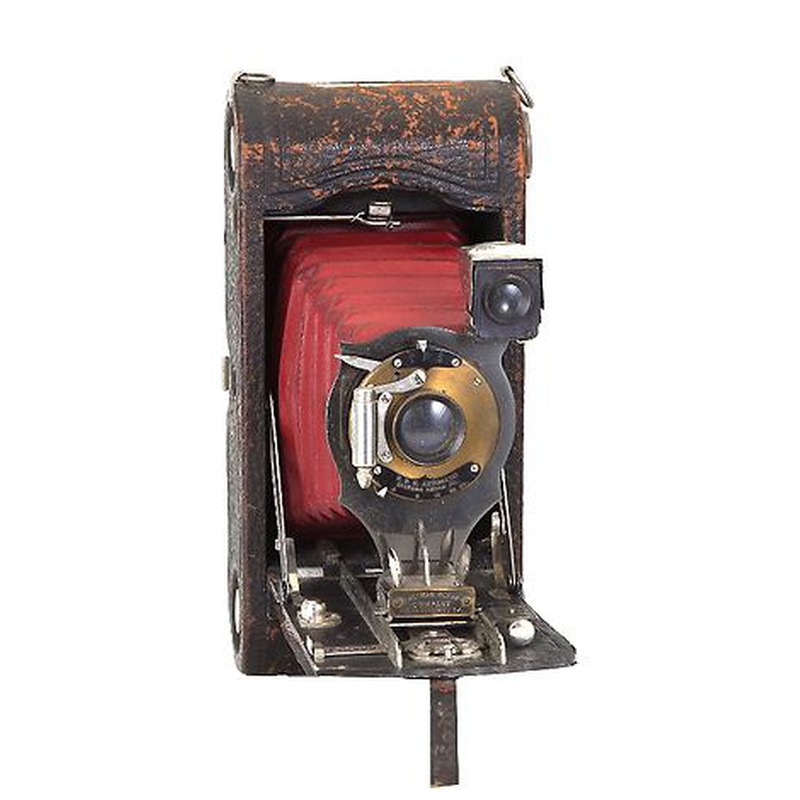
The Cirkut Century No. 46 represents a fascinating, though relatively obscure, early chapter in the development of 35mm photography. Introduced by Kodak in 1907, it was one of the first cameras to utilize this then-novel film format, positioning it as a prototype or specialized tool rather than a mainstream consumer product. Kodak, having dominated the roll-film market, was clearly experimenting with smaller gauges to offer greater portability and potentially lower costs. The No. 46 likely shared the robust, practical construction typical of Kodak cameras of the era, utilizing metal components and a design focused on function over intricate aesthetics. Its significance lies in its early adoption of the 35mm format, predating the rise of Leica and other iconic 35mm cameras by nearly two decades, making it a crucial, albeit seldom-discussed, forerunner to the small-format revolution that would transform photography.
While not widely produced or known, the Cirkut Century No. 46 embodied Kodak's forward-thinking approach during a period of rapid photographic innovation. Its introduction signaled a recognition that smaller film formats could offer advantages in portability and efficiency for certain applications, even if the infrastructure and market for 35mm photography were still in their infancy. The camera served as a tangible experiment in squeezing larger photographic capabilities into a more manageable size, contributing to the technical groundwork that would later support the rise of 35mm as the dominant format for amateur and professional photography alike.
Specifications
| Film Format | 135 |
 Enjoy this museum? Support on Ko-fi