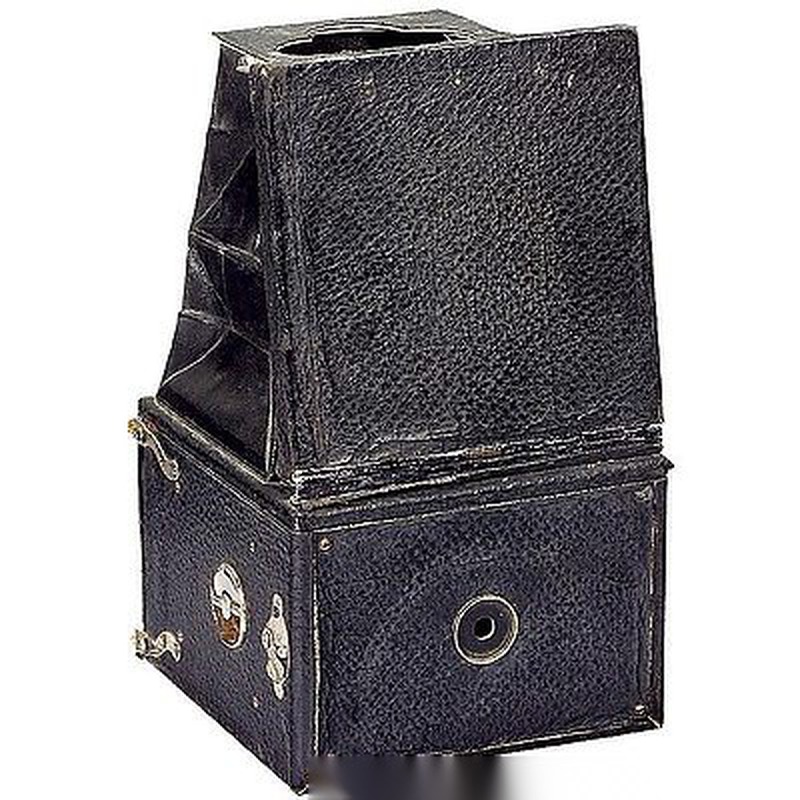
Kodak Premograph
Kodak · USA · 1907–1908 (1 years) · 135 film
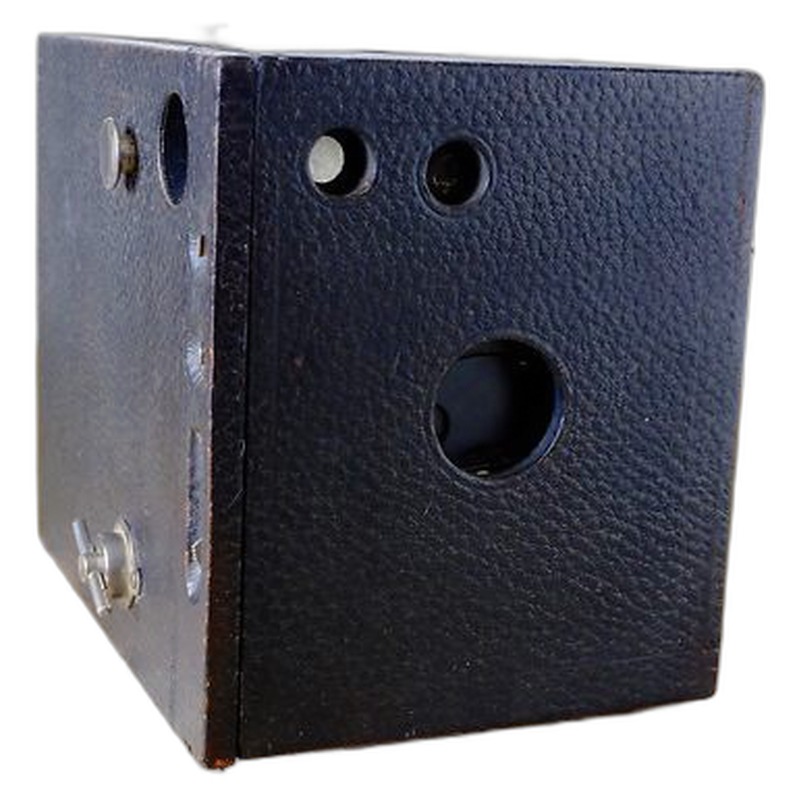
The Premograph represents Kodak's early venture into the 35mm format during a transitional period in photography. Produced between 1907 and 1908, this camera utilized perforated 35mm film, a format primarily developed for motion picture use at the time. It Kodak's initiative to adapt this film strip for still photography reflected the growing interest in smaller, more portable cameras compared to the cumbersome formats prevalent. The camera likely featured a simple, box-like design, consistent with Kodak's consumer-focused approach at the turn of the century, aimed at making photography more accessible. Its existence underscores Kodak's role in exploring the potential of 35mm for stills, laying groundwork for later, more sophisticated miniature cameras like the Leica, though the Premograph itself was not a landmark design.
As a product of Kodak, the Premograph would have been constructed with typical American manufacturing standards of the era, utilizing materials like metal and likely covered in leatherette for a durable yet practical feel. It was designed as a straightforward point-and-shoot camera for amateur photographers seeking convenience. While Kodak dominated the consumer market, the Premograph operated within a niche where 35mm was still establishing itself for stills. Its significance lies more as an early commercial attempt by a major manufacturer to popularize the 35mm format for still photography than as a technologically groundbreaking device. It represents an important step in the evolution towards the miniature cameras that would eventually dominate the 20th century.
Specifications
| Film Format | 135 |
 Enjoy this museum? Support on Ko-fi