/main.jpg)
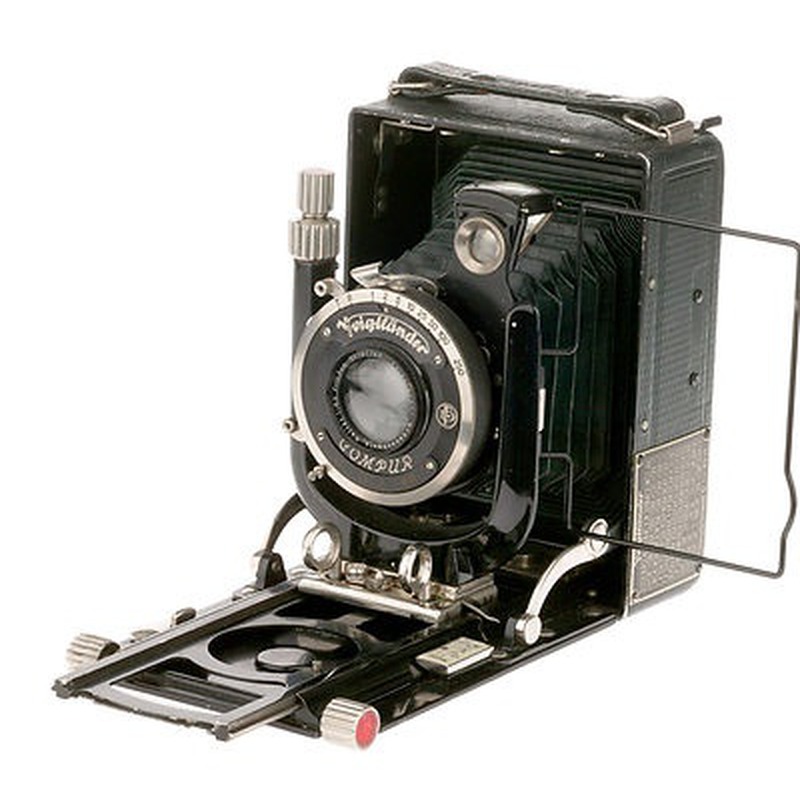
Voigtlander Bergheil 4.5x6 (Baby)
Voigtlander · Germany · 1919–1927 (8 years) · 135 film
The Bergheil 4.5x6 (Baby) was a compact camera produced by Voigtlander from 1919 to 1927, representing the company's early foray into the emerging 35mm format market. As a simplified version of Voigtlander's larger Bergheil models, the "Baby" designation emphasized its smaller size compared to its 4.5x6cm format counterparts. This camera featured a straightforward yet sturdy construction typical of early 20th-century German engineering, with a metal body and leatherette covering for grip. The 4.5x6cm negative size provided a practical balance between portability and image quality for its time, though it was larger than the standard 24x36mm 35mm frame that would later become industry standard. The Bergheil 4.5x6 (Baby) was part of Voigtlander's lineup during a transitional period in photography, as manufacturers experimented with smaller formats that eventually led to the rise of 35mm photography.
This camera offers insight into the technological evolution of photography between World War I and the mid-1920s, a period when many manufacturers were developing smaller, more portable alternatives to large view cameras. While not particularly innovative by today's standards, the Bergheil 4.5x6 (Baby) demonstrated Voigtlander's commitment to producing quality equipment for enthusiasts and professionals alike during this formative era. Its existence predates the popularization of the Leica I (1925) and other 35mm cameras that would dominate the market, making it an interesting artifact in the development of compact photography.
Specifications
| Film Format | 135 |
/main.jpg)
_Deluxe/main.jpg)
 Enjoy this museum? Support on Ko-fi