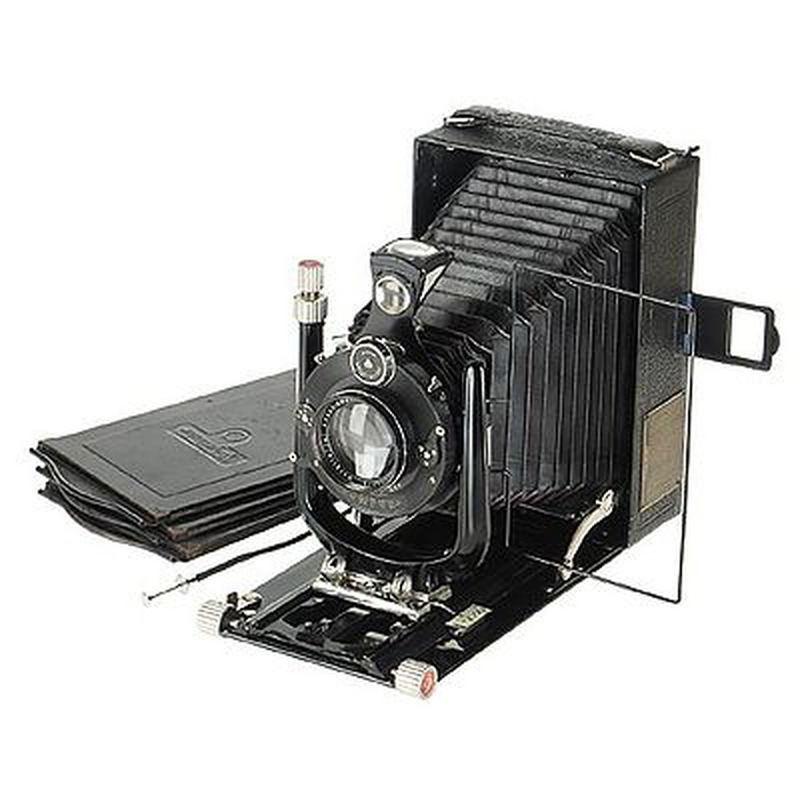
Voigtlander Bergheil 10x15
Voigtlander · Germany · 1914–1936 (22 years) · 135 film
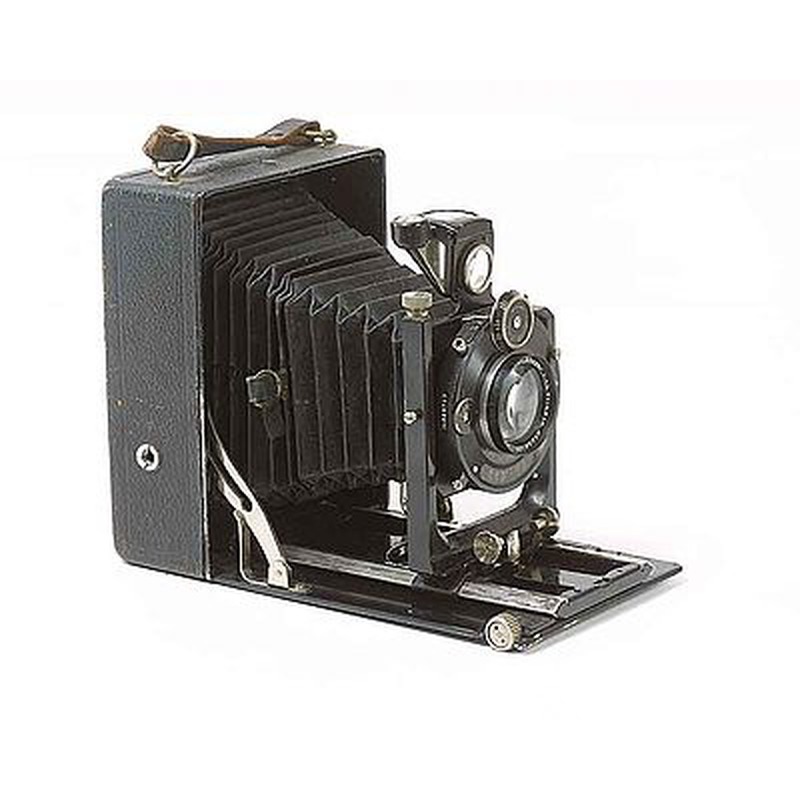
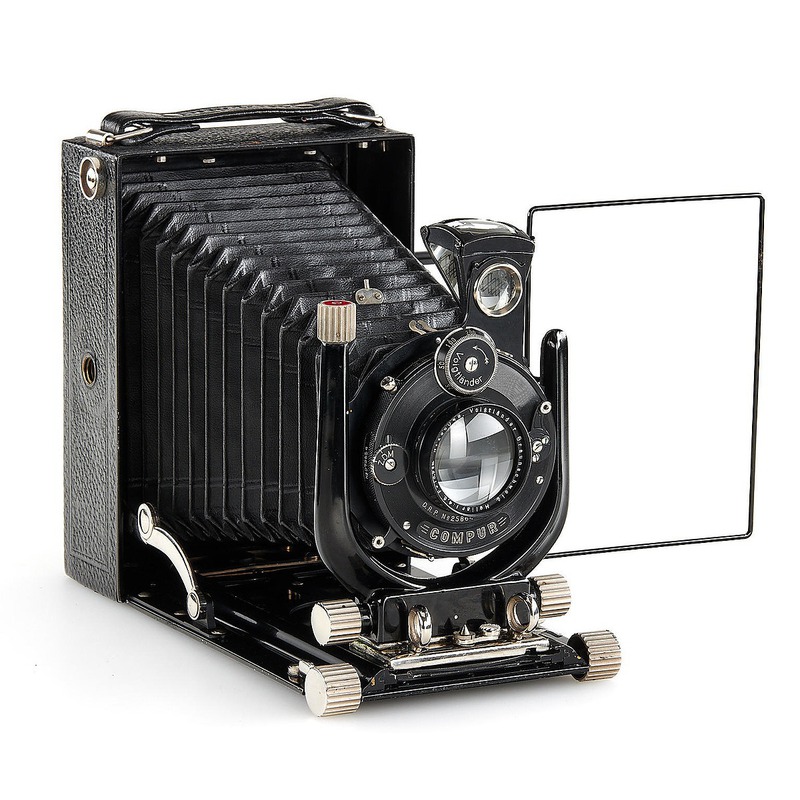
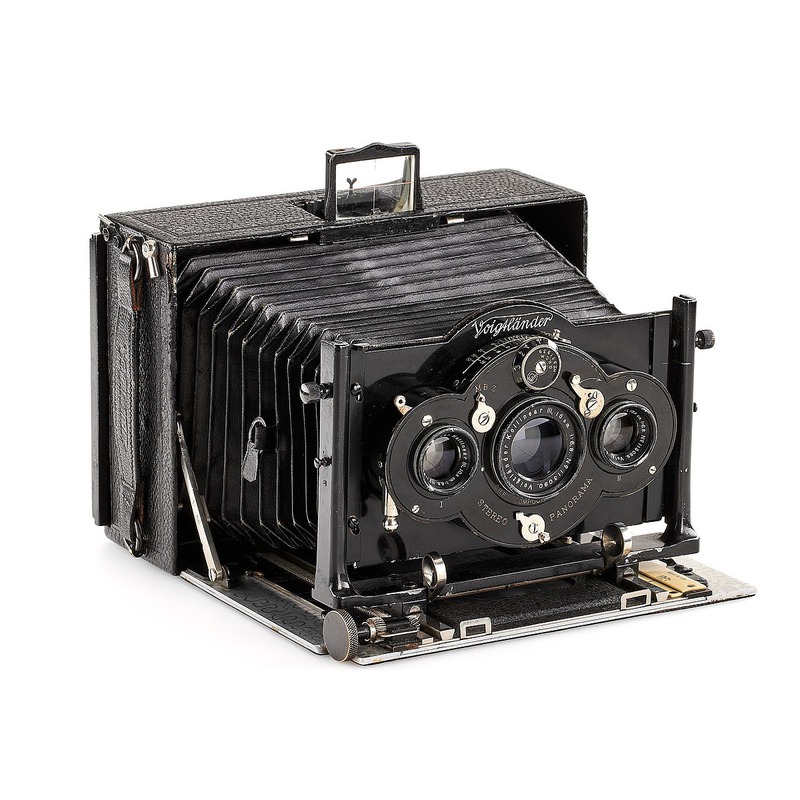
The Bergheil 10x15 by Voigtlander, produced from 1914 to 1936, stands as a significant early attempt to adapt the 35mm format for serious photography. Introduced during the era when large format cameras dominated and before the Leica I popularized miniature cameras in 1925, the Bergheil represented Voigtlander's entry into the nascent small-format arena. It utilized 35mm film, likely loaded into special cassettes or cut from bulk rolls, capturing images in a 10x15cm (or potentially 24x30mm) format – a size larger than the standard 24x36mm frames that would later become synonymous with 35mm. Designed as a folding bed plate camera, it offered a relatively compact package for its time, catering to photographers seeking greater portability than cumbersome view cameras while still providing negatives larger than those exposed by subsequent miniature cameras like the Leica.
While not achieving the widespread adoption or iconic status of later models, the Bergheil 10x15 holds importance as a testament to the experimental phase of 35mm photography. Voigtlander, a long-established and respected German optical manufacturer, brought its expertise to developing a viable system for smaller formats, contributing to the technological evolution that would revolutionize the industry. Its construction reflected the typical robustness of mid-range plate cameras of the period, featuring metal components and leather bellows, designed to be a reliable, albeit relatively heavy, field camera option for enthusiasts and professionals exploring the potential of 35mm before it became mainstream.
Specifications
| Film Format | 135 |
/main.jpg)
/main.jpg)
 Enjoy this museum? Support on Ko-fi