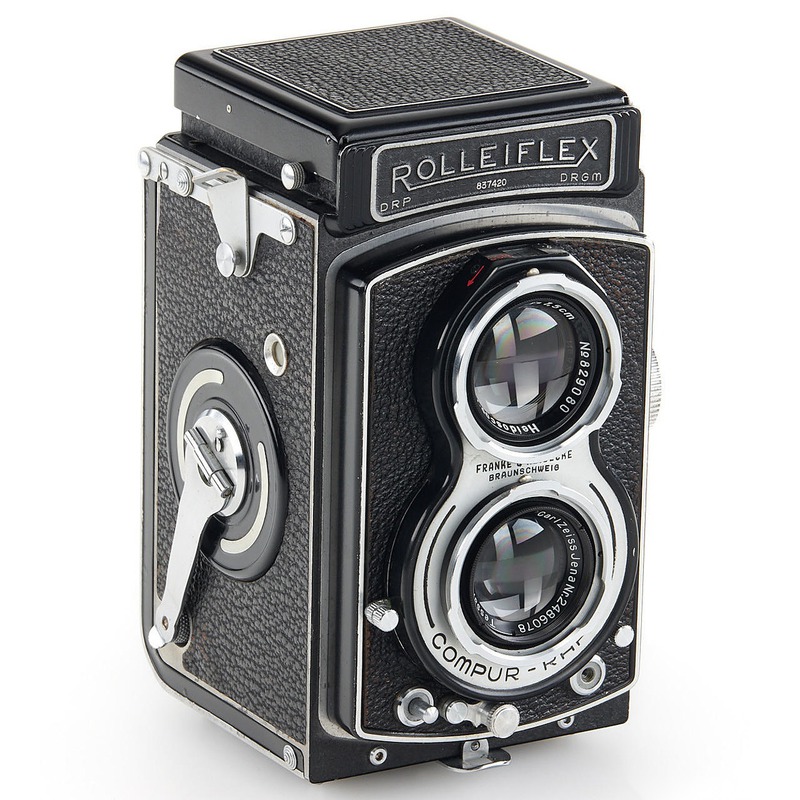
Rolleiflex New Standard
Rollei · Germany · 1939–1941 (2 years) · 120 film
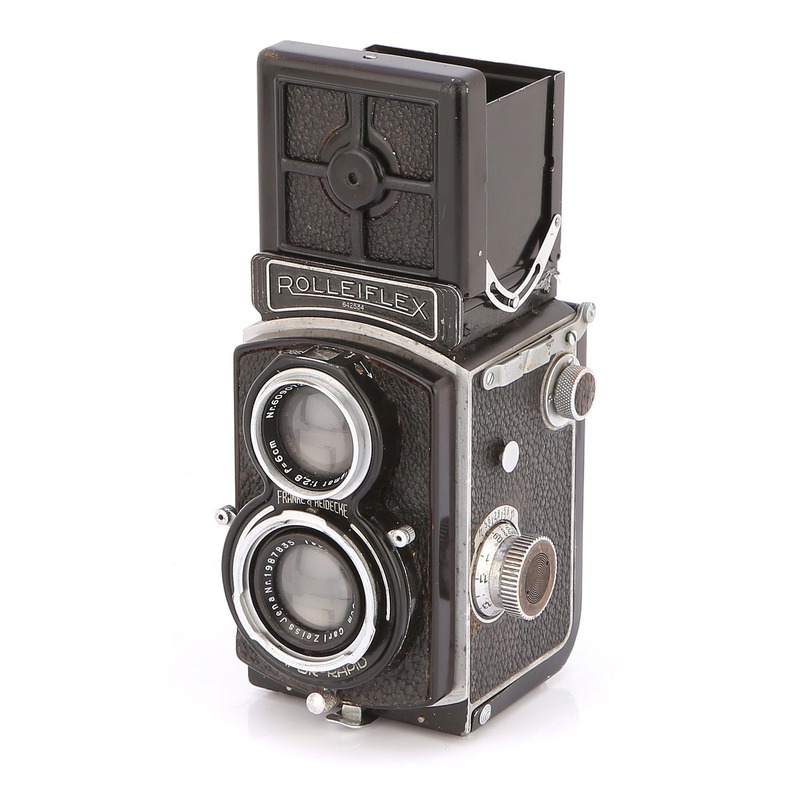
The Rolleiflex New Standard represents a refined iteration of Rollei's classic twin-lens reflex design that defined professional medium format photography in the 1930s. Produced during the transition period from 1939 to 1941, this model offered the exceptional build quality and precision optics that made Rolleiflex cameras renowned among professional photographers. It features the characteristic waist-level viewing screen that allowed for composition without holding the camera to the face, a significant advantage for candid shooting and precise framing. The New Standard maintained the standard 6×6 cm format on 120 film that became synonymous with the Rolleiflex name, delivering sharp images through its Zeiss or Schneider lenses. As a simplified version of the Rolleiflex Automat, it eliminated some of the more complex features while retaining the core mechanical excellence that defined the brand.
This camera emerged at a critical juncture in photographic history, just before widespread wartime disruptions affected manufacturing. Despite its relatively brief production span, the New Standard contributed to the legacy of twin-lens reflex cameras as tools for serious photographers. Its solid construction, featuring metal components throughout and a focusing mechanism that remained smooth even after decades of use, exemplifies German engineering of the era. While perhaps not as technologically innovative as subsequent Rolleiflex models, the New Standard represents a benchmark of reliability and optical excellence that helped establish medium format photography as a preferred choice for portrait and documentary photographers before and during World War II.
Specifications
| Film Format | 120 |
/main.jpg)
/main.jpg)
/main.jpg)
/main.jpg)
/main.jpg)
 Enjoy this museum? Support on Ko-fi