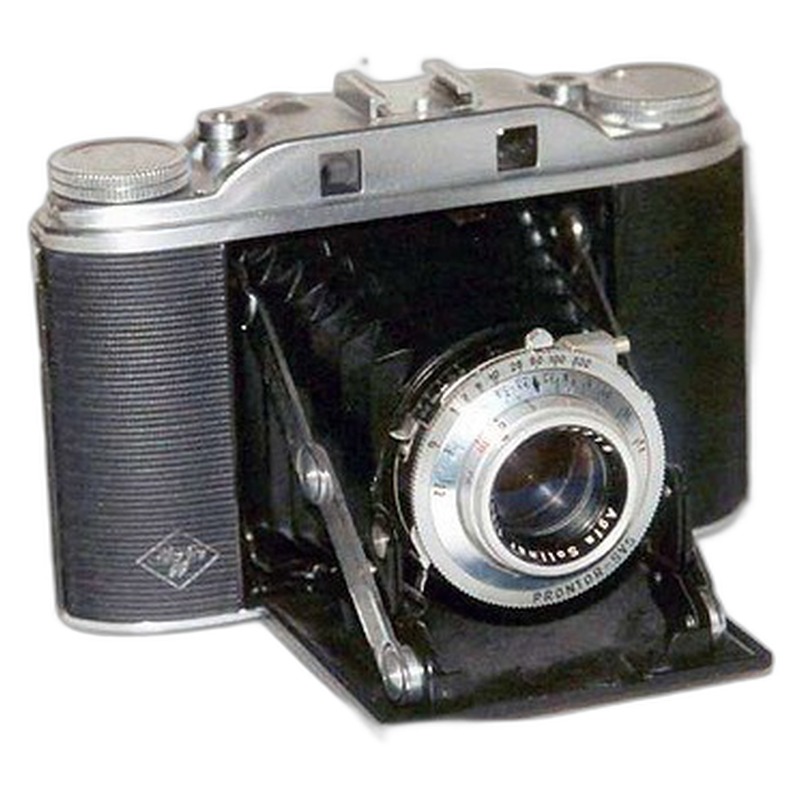
Agfa Isolette III
Agfa · Germany
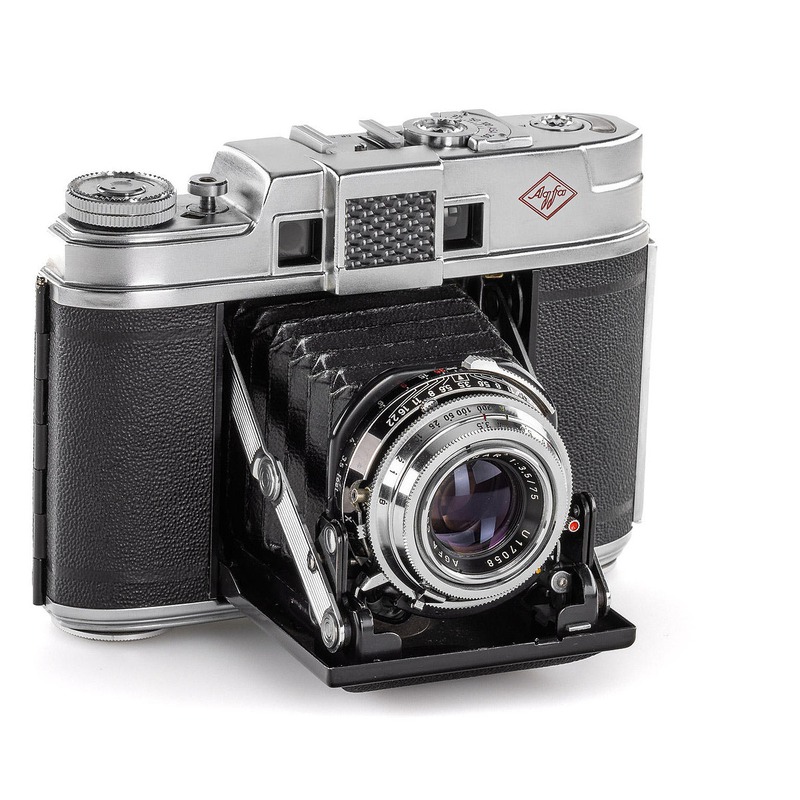
The Agfa Isolette III represents a solid offering in the company's mid-range folding camera lineup during the 1950s. It was a step-up model aimed at serious amateur photographers, featuring a coupled rangefinder for accurate focusing and a design allowing for interchangeable lenses, offering greater versatility than simpler fixed-lens models. As a folding medium format camera (likely 6x6 cm or 6x9 cm), it balanced portability with the image quality afforded by larger film. While not possessing the groundbreaking innovation of some contemporaries, it embodied Agfa's engineering strengths, offering a well-built and practical tool for dedicated users seeking more than basic snapshot capabilities. Its construction prioritized functionality and reliability within its market segment.
The Isolette III typifies the post-war era's demand for sophisticated yet accessible cameras. It leveraged established folding camera principles with enhancements like the rangefinder, catering to photographers wanting precise control without the expense or complexity of professional systems. Agfa, a major German photographic manufacturer, positioned these models competitively against offerings from Voigtländer and Zeiss Ikon. Its significance lies more in representing the competence and market strategy of Agfa during this period rather than introducing revolutionary features. It served a distinct niche: affordable quality for committed enthusiasts.
 Enjoy this museum? Support on Ko-fi